Contact center of the Ukrainian Judiciary 044 207-35-46
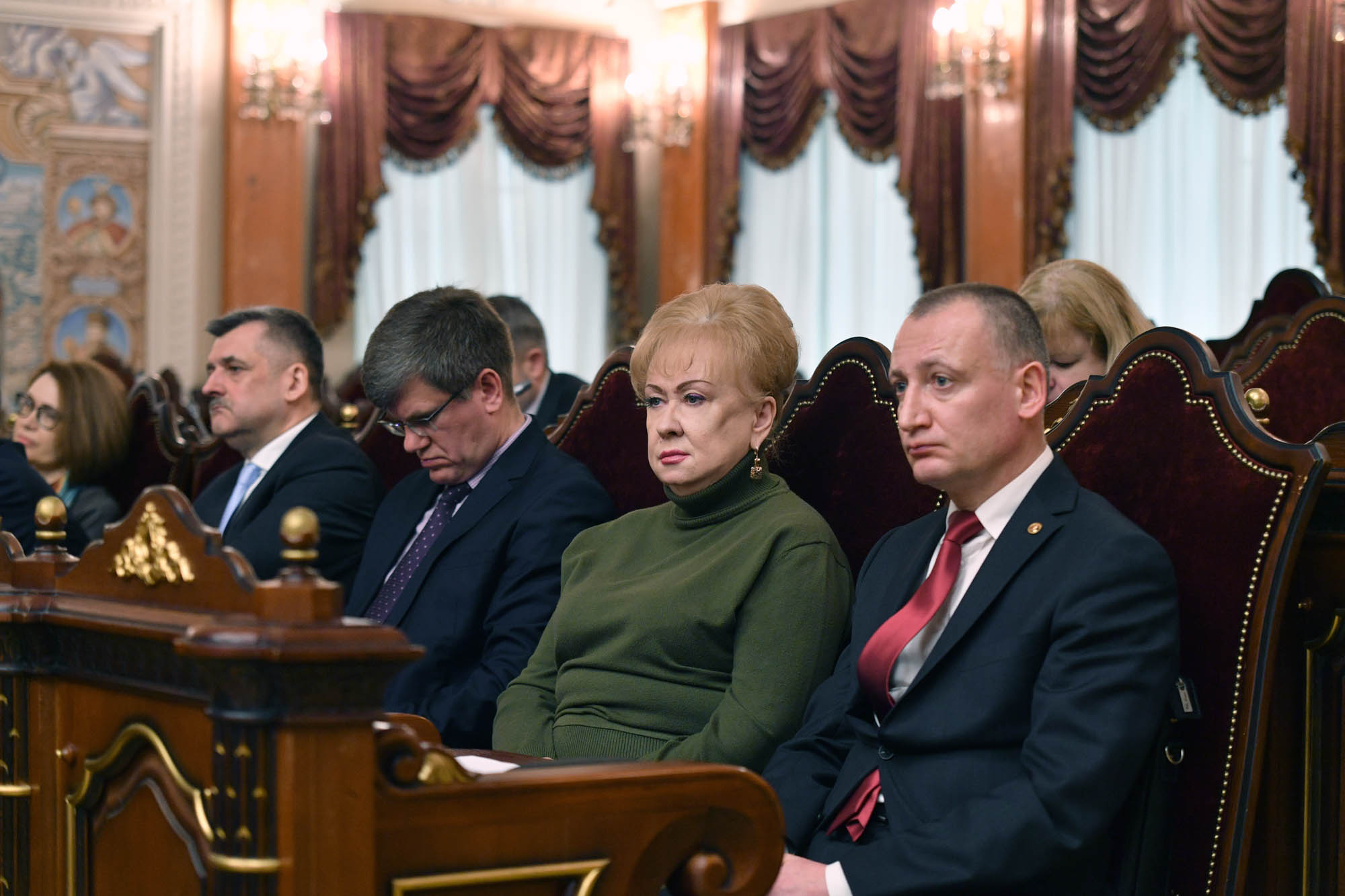
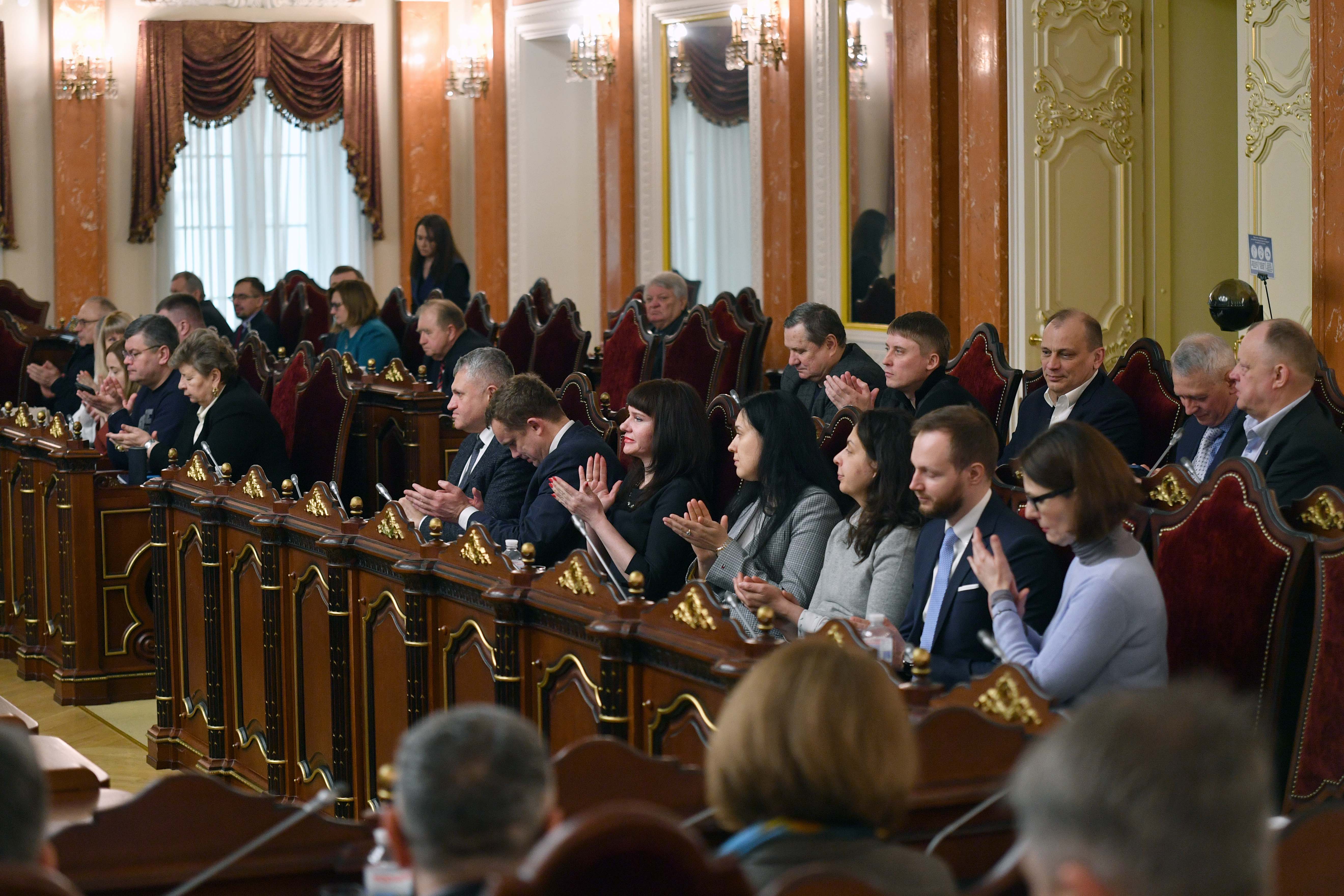
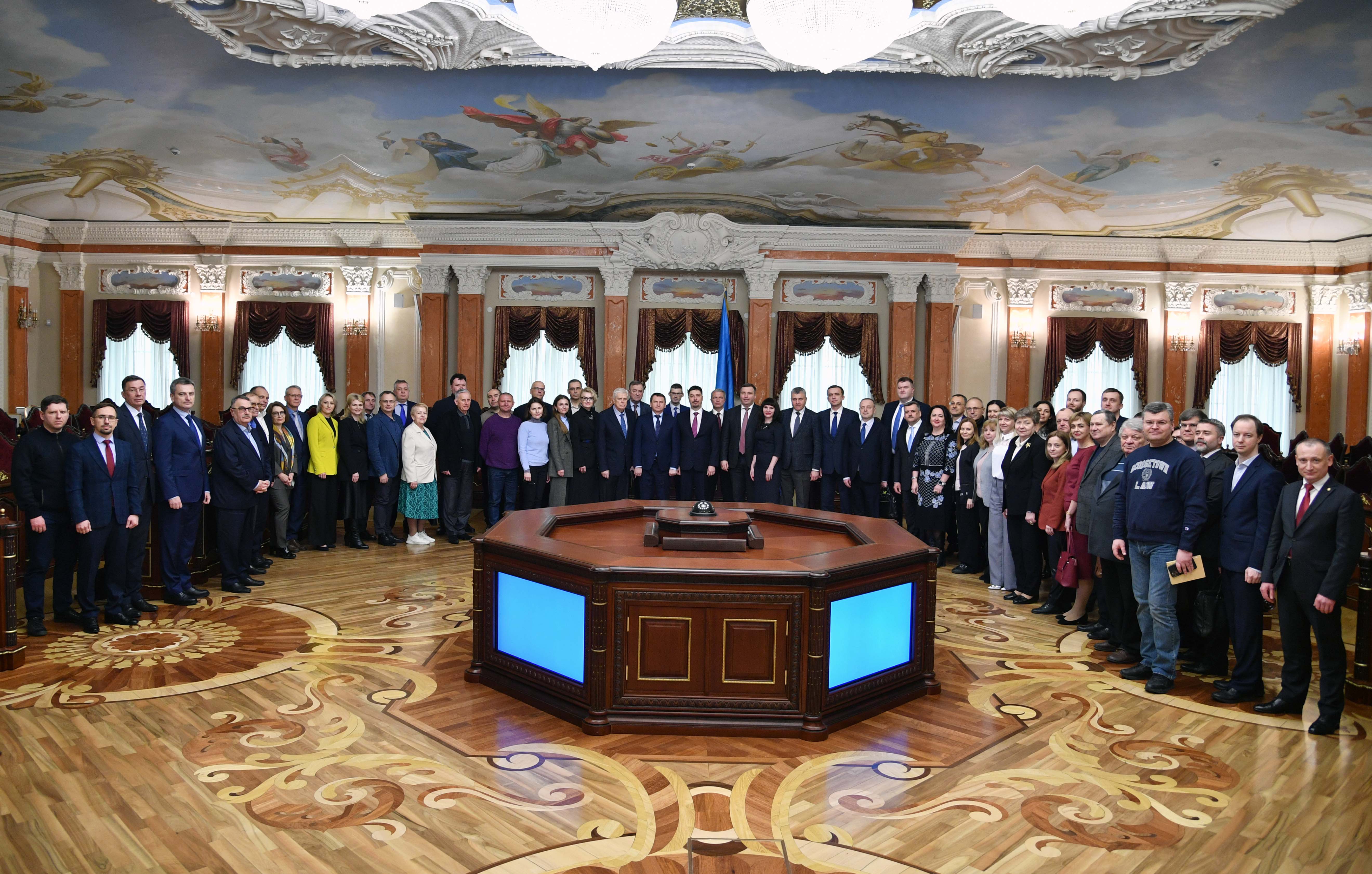
The meeting was held to obtain proposals and recommendations regarding the forms of activity, cooperation, and communication between the Supreme Court and the Scientific Advisory Council.
Active, well-organized, and creative cooperation between the Supreme Court and the academic community, achieved in particular through the work of the Scientific Advisory Council at the Supreme Court, makes it possible to take into account all the achievements of domestic legal thought when deciding court cases. This was stated by the President of the Supreme Court, Vsevolod Kniaziev, during the plenary meeting of the Council.
“The problems of judicial practice essentially determine the demand for applied research in jurisprudence. Thus, it is not only science that develops practice, but practice also gives impetus to the development of science. It is hard to overestimate the importance of professional scientific achievements for the improvement of case law in Ukraine at the present stage,” emphasized the President of the Supreme Court.
Vsevolod Kniaziev expressed gratitude to every scholar who engaged with the problematic issues raised by the Supreme Court and shared their professional opinion.
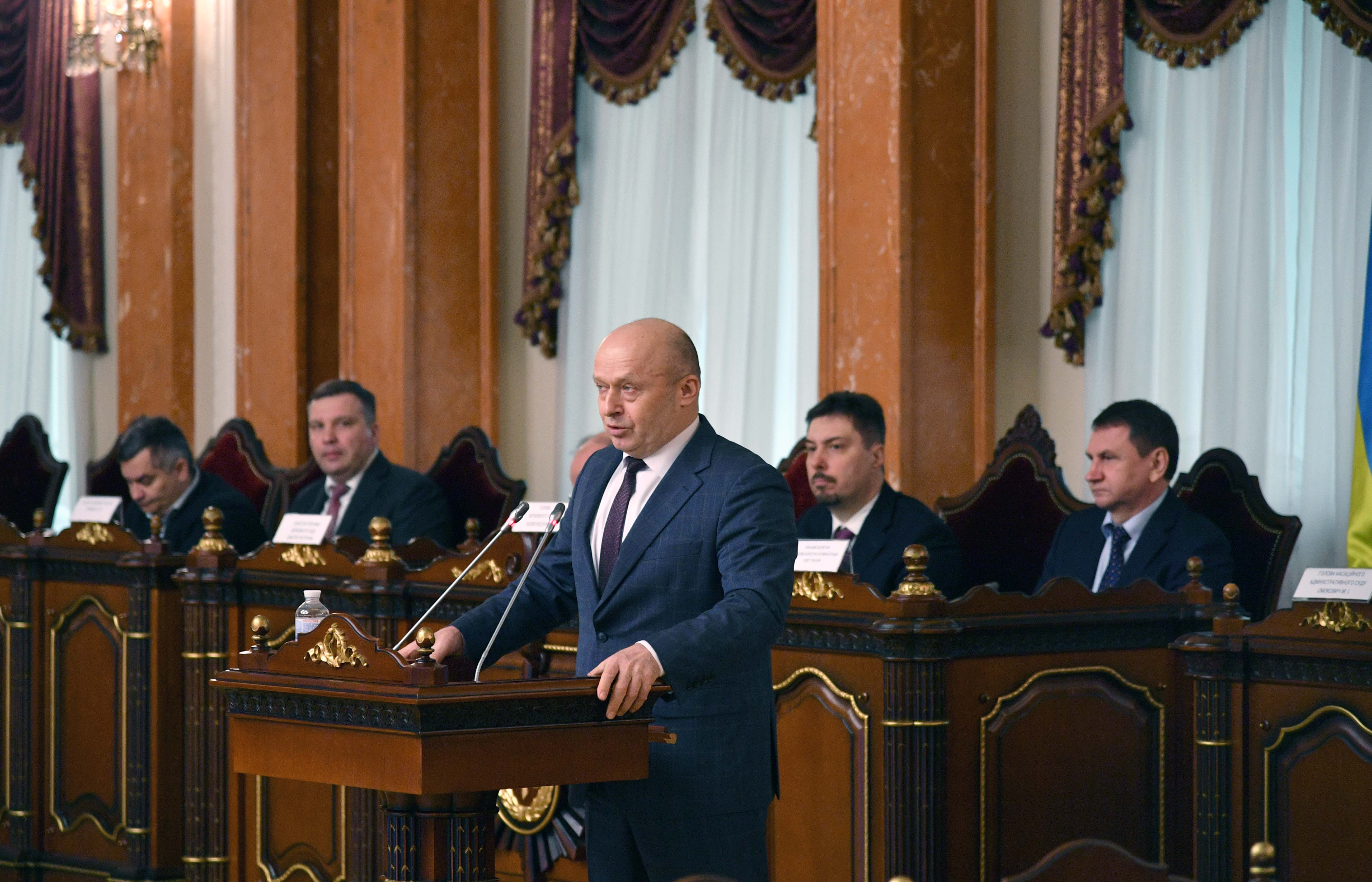
The Scientific Secretary of the Council, Judge of the Grand Chamber of the Supreme Court Oleh Tkachuk, informed that during 2020–2022, judges sent 335 requests to the Scientific Advisory Council, in response to which the Council members prepared 1,265 scientific opinions.
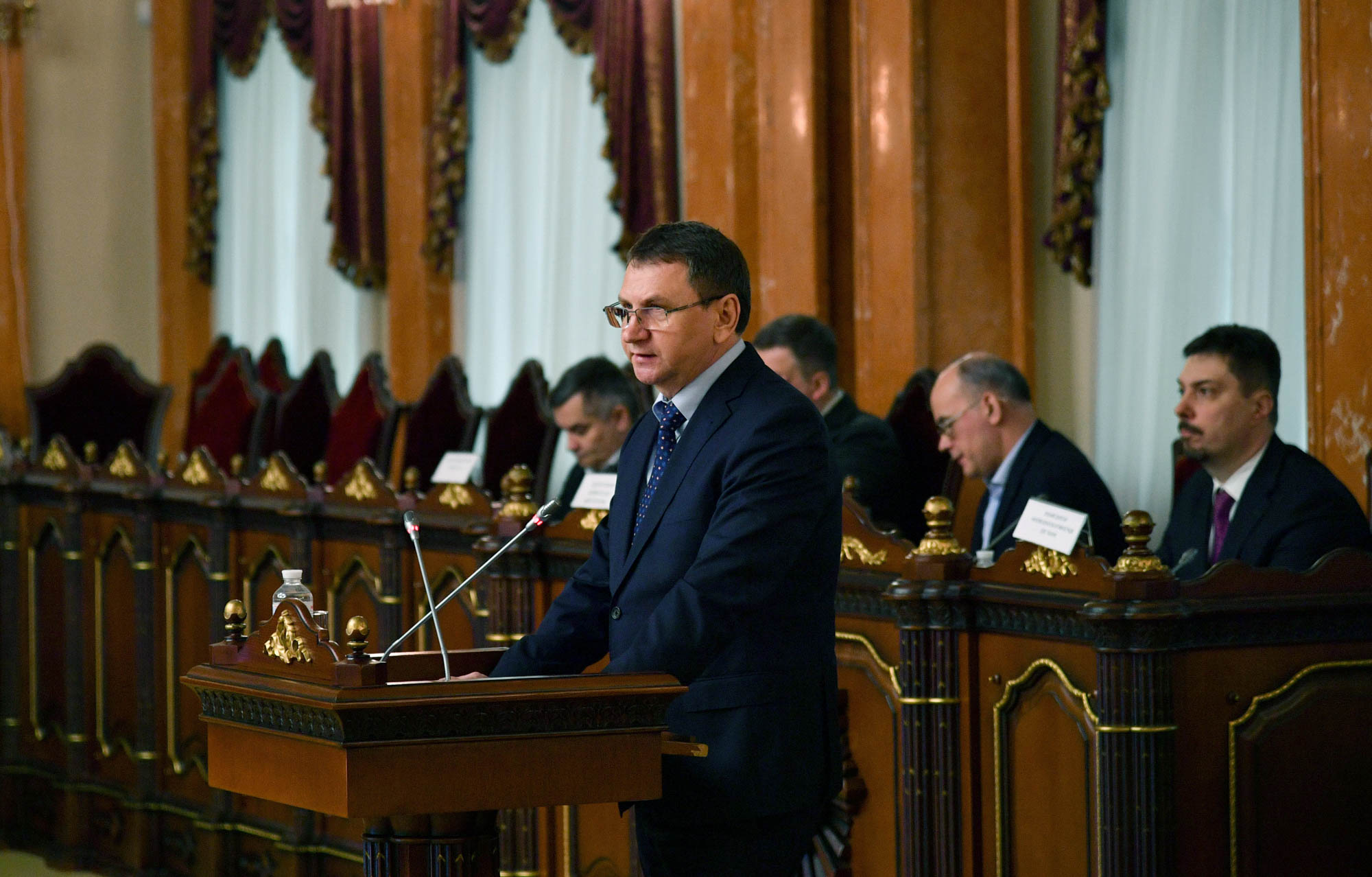
“Scientific concepts and doctrinal approaches are embodied in the decisions of the highest judicial instance. In this regard, one can recall the conclusions of the Supreme Court concerning the prohibition of contradictory conduct, the manifestation of the highest good faith, the interpretation of contract terms against the party that drafted them, the prohibition of fraudulent transactions, the reality of economic operations, due process of law, lifting the corporate veil, and the prohibition of using ‘fruits of the poisonous tree’. These conclusions would have been impossible without resorting to the achievements of legal scholars – members of the Scientific Advisory Council,” noted Oleh Tkachuk.
The Secretary of the Plenum of the Supreme Court, Judge of the Civil Cassation Court Dmytro Luspenyk, emphasized that the Plenum of the Supreme Court pays significant attention to the organization and procedure of the Scientific Advisory Council’s activities.
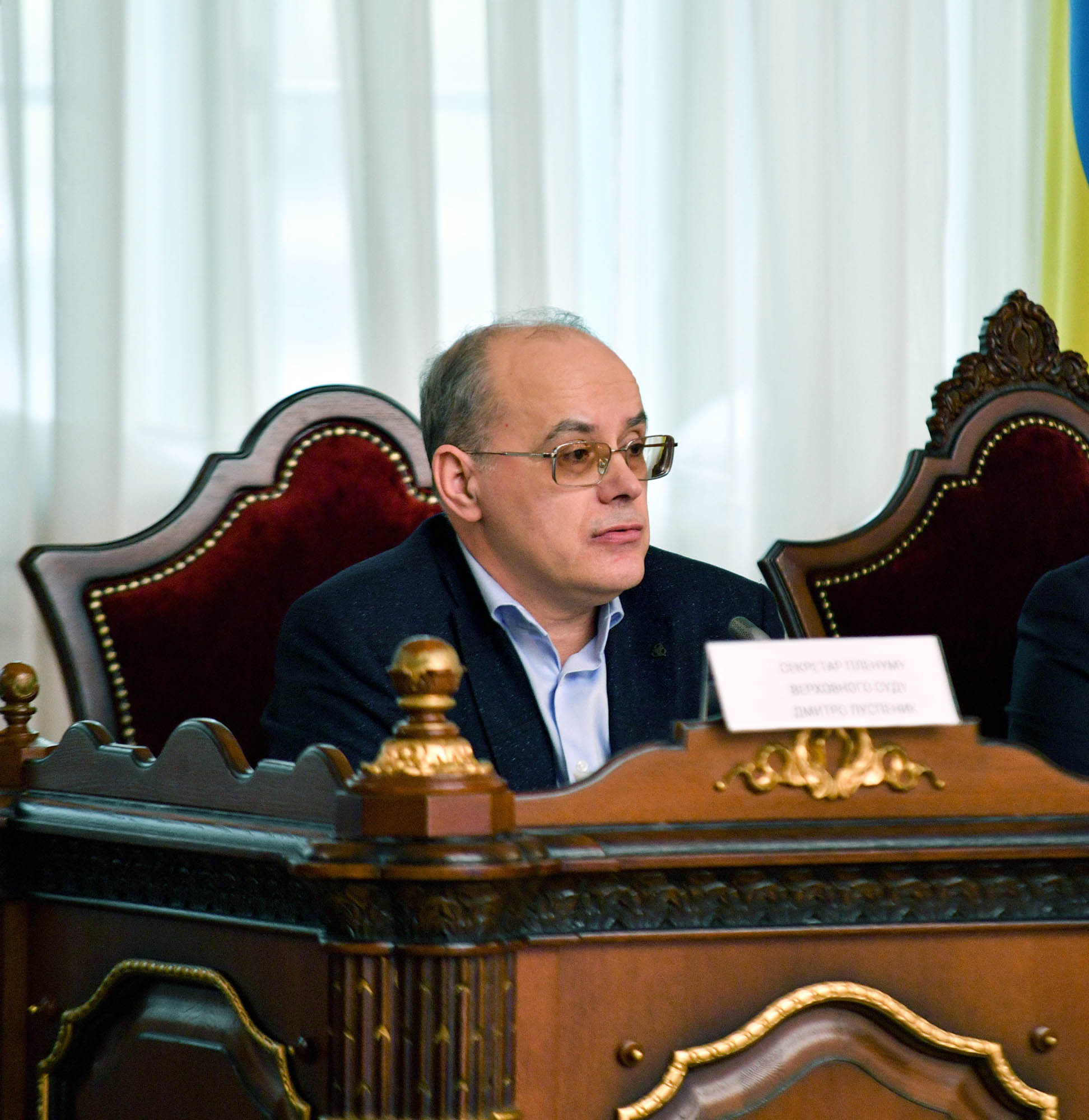
“Currently, in the sixth year of the Supreme Court’s operation, the third composition of the Scientific Advisory Council has already been approved. We want the Scientific Advisory Council to include scholars who genuinely wish to assist the Supreme Court in ensuring the unity of case law. As the analysis shows, approximately 72% of the scientific opinions we received contradicted one another. This indicates that opposing positions arise not only in judicial practice but also in legal science – scholars have their own views on various legal issues, which is quite natural. At the same time, we are interested in the very algorithm that the scholar applies when formulating his or her conclusion,” emphasized Dmytro Luspenyk.
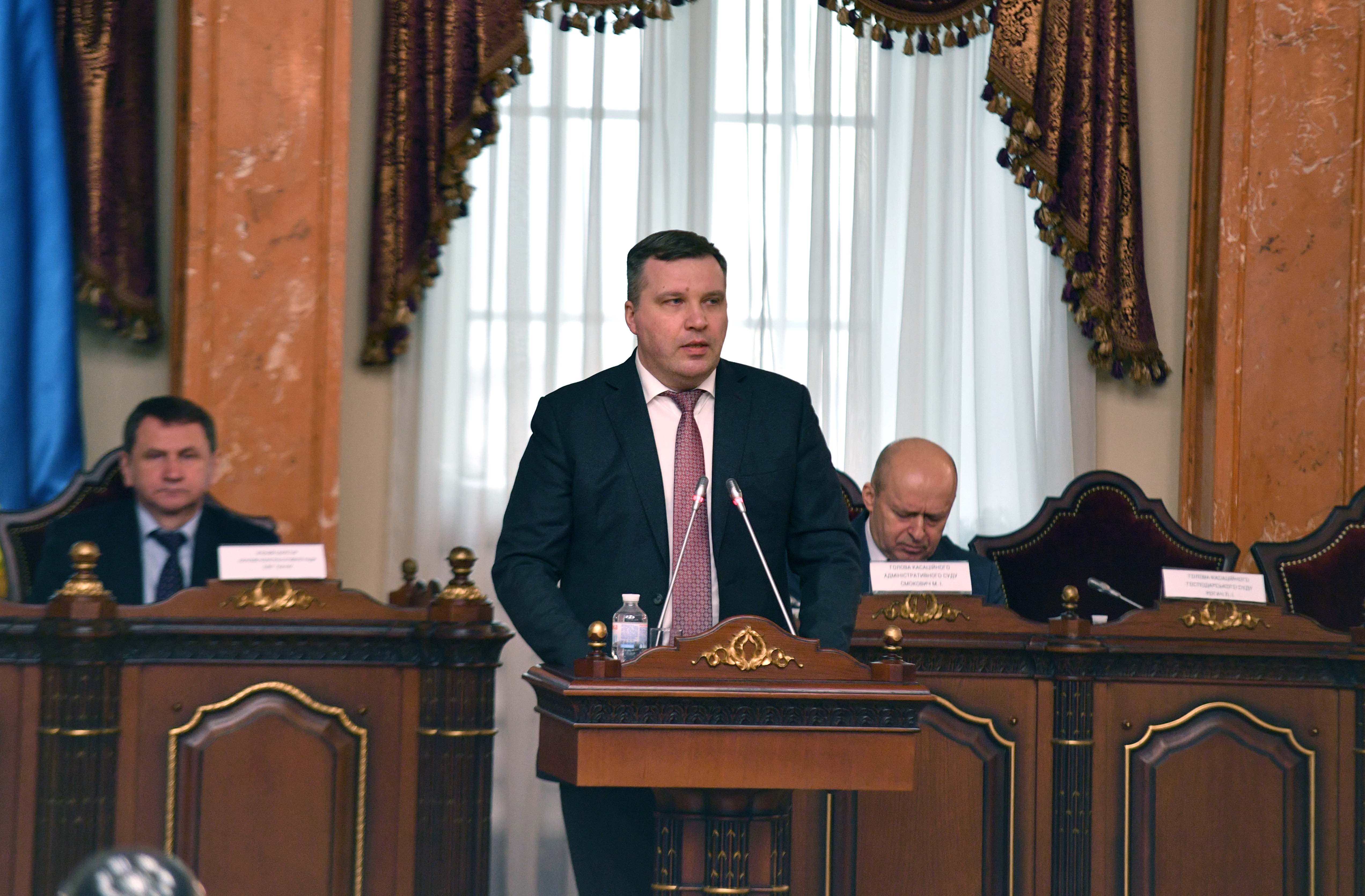
The President of the Administrative Cassation Court within the Supreme Court, Mykhailo Smokovych, drew attention to the issue of internally structuring the Scientific Advisory Council by uniting scholars according to their specialization into several thematic sections.
“The head of each such section should be elected from among judges who are also scholars. At the same time, this internal structure will in no way prevent any scholar from participating in the examination of issues before the Council at their own request. In addition, the conclusions of the Scientific Advisory Council should be given the status of public documents. This can be achieved by publishing them on the official website of the Supreme Court in a dedicated thematic section,” noted Mykhailo Smokovych.
The Secretary of the Grand Chamber of the Supreme Court, Vitalii Urkevych, highlighted certain aspects of cooperation between the Grand Chamber and the Scientific Advisory Council. He informed that the majority of requests to the Scientific Advisory Council come specifically from judges of the Grand Chamber of the Supreme Court, as it hears the most complex cases, including those containing exceptional legal issues.
Vitalii Urkevych also outlined areas for improving joint work between judges and scholars, emphasizing the need to develop a unified recommended structure for both requests and scientific opinions.
“We are interested in which scientific tools can be used to resolve a particular legal problem in a case. Moreover, all of us together must take care of the development of legal doctrine in the context of European integration. The Supreme Court is responsible for ensuring that our judicial system is adapted to the European one by the time Ukraine becomes a member of the EU,” noted the Secretary of the Grand Chamber.
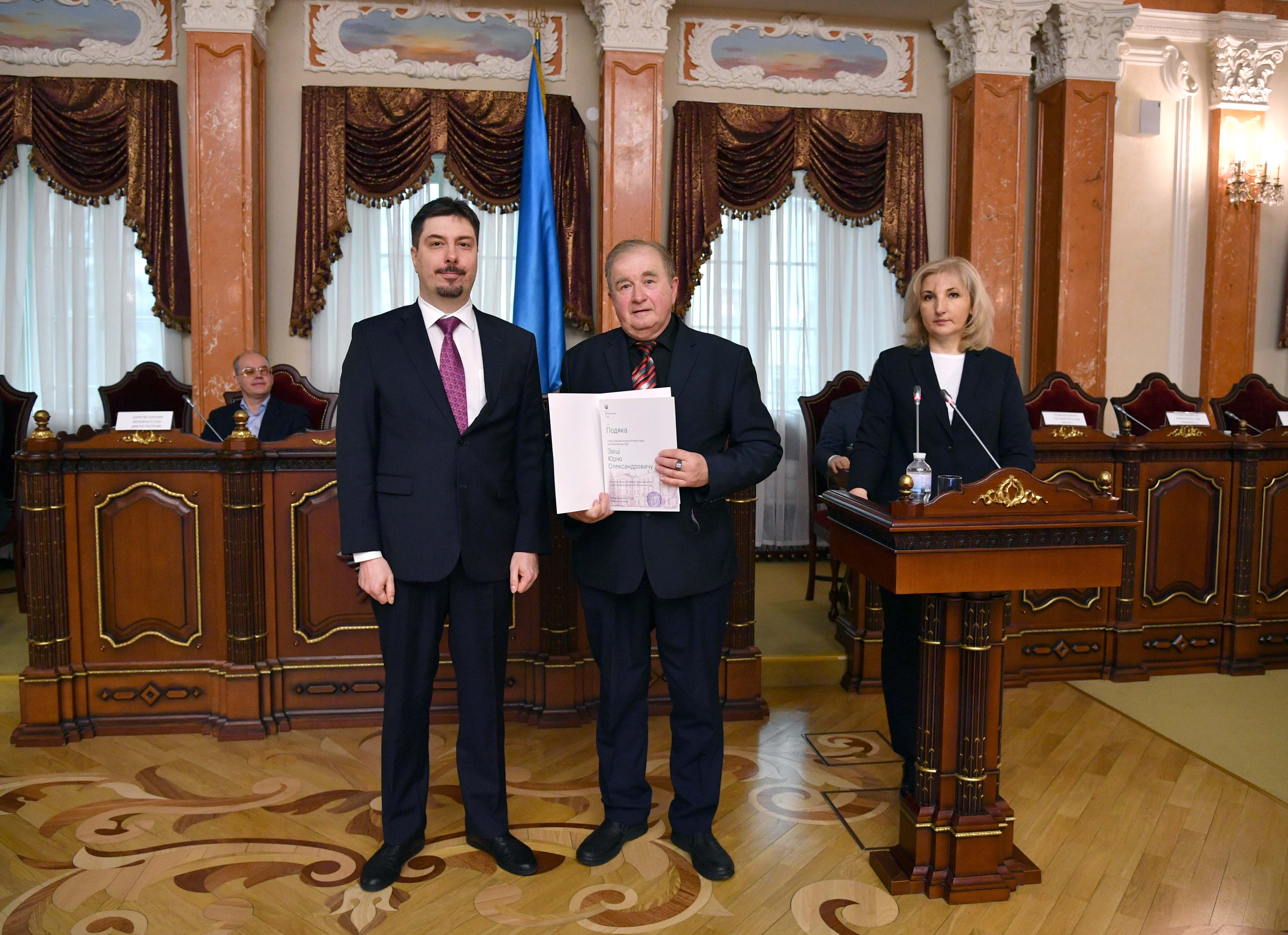
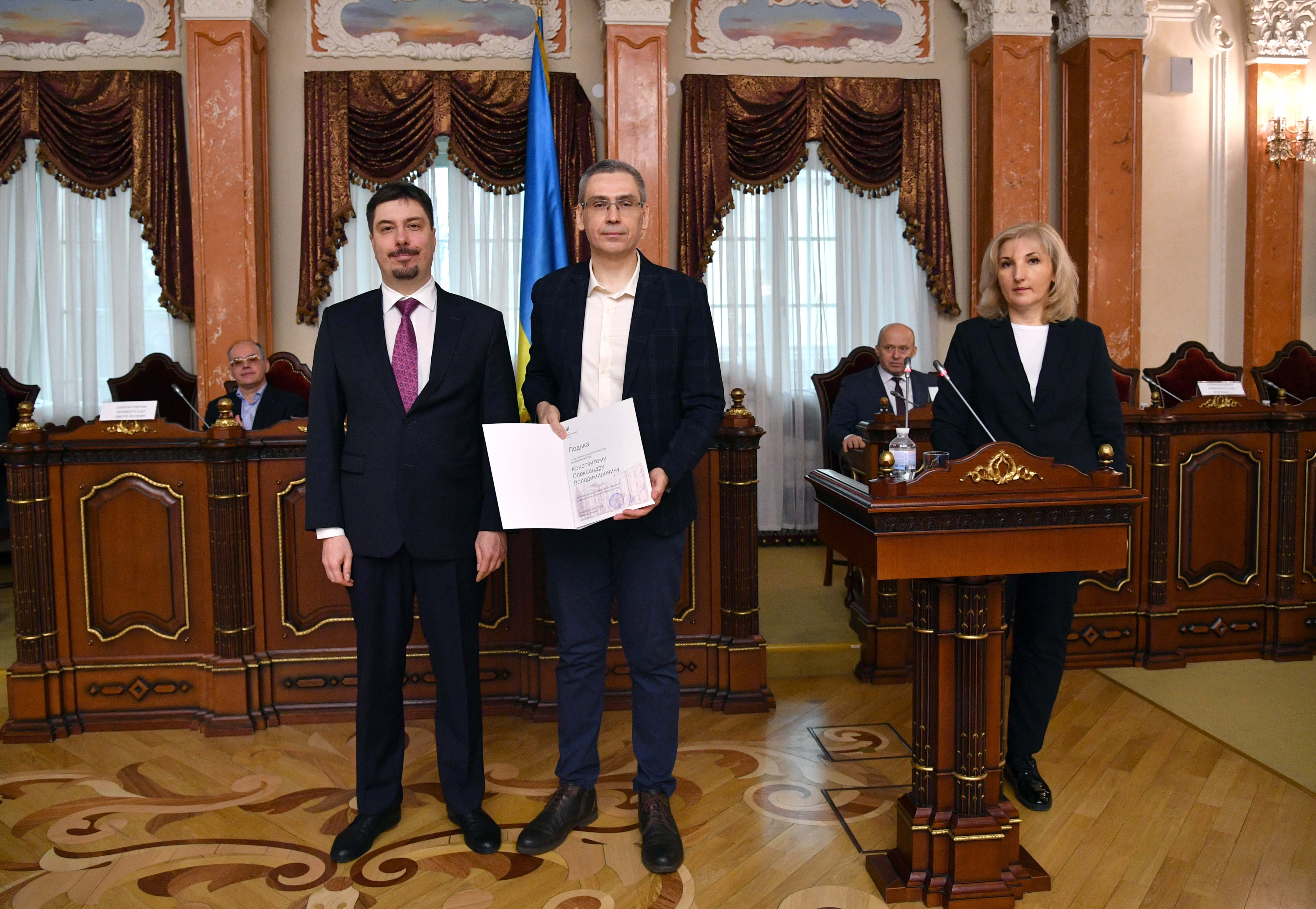
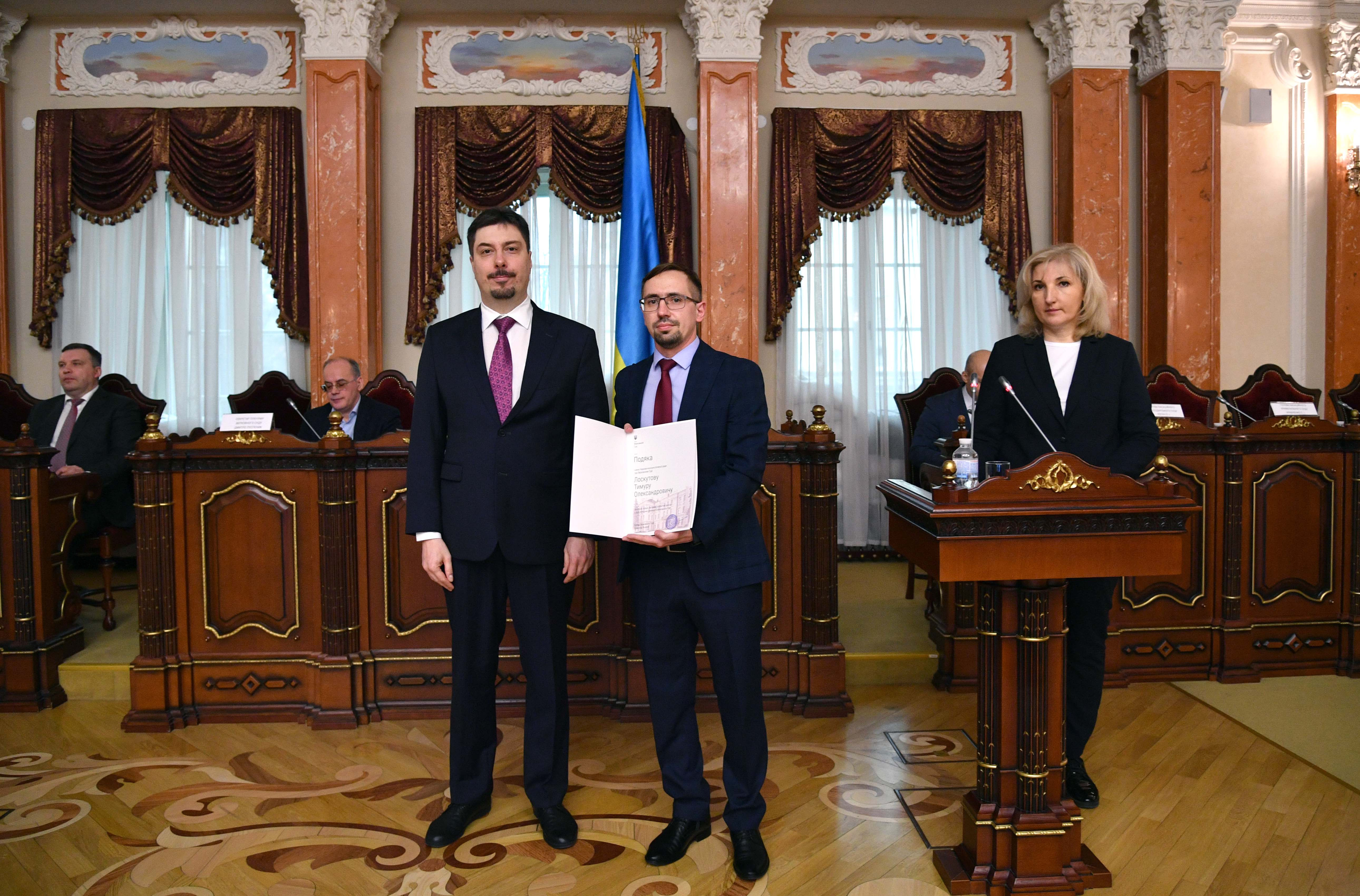
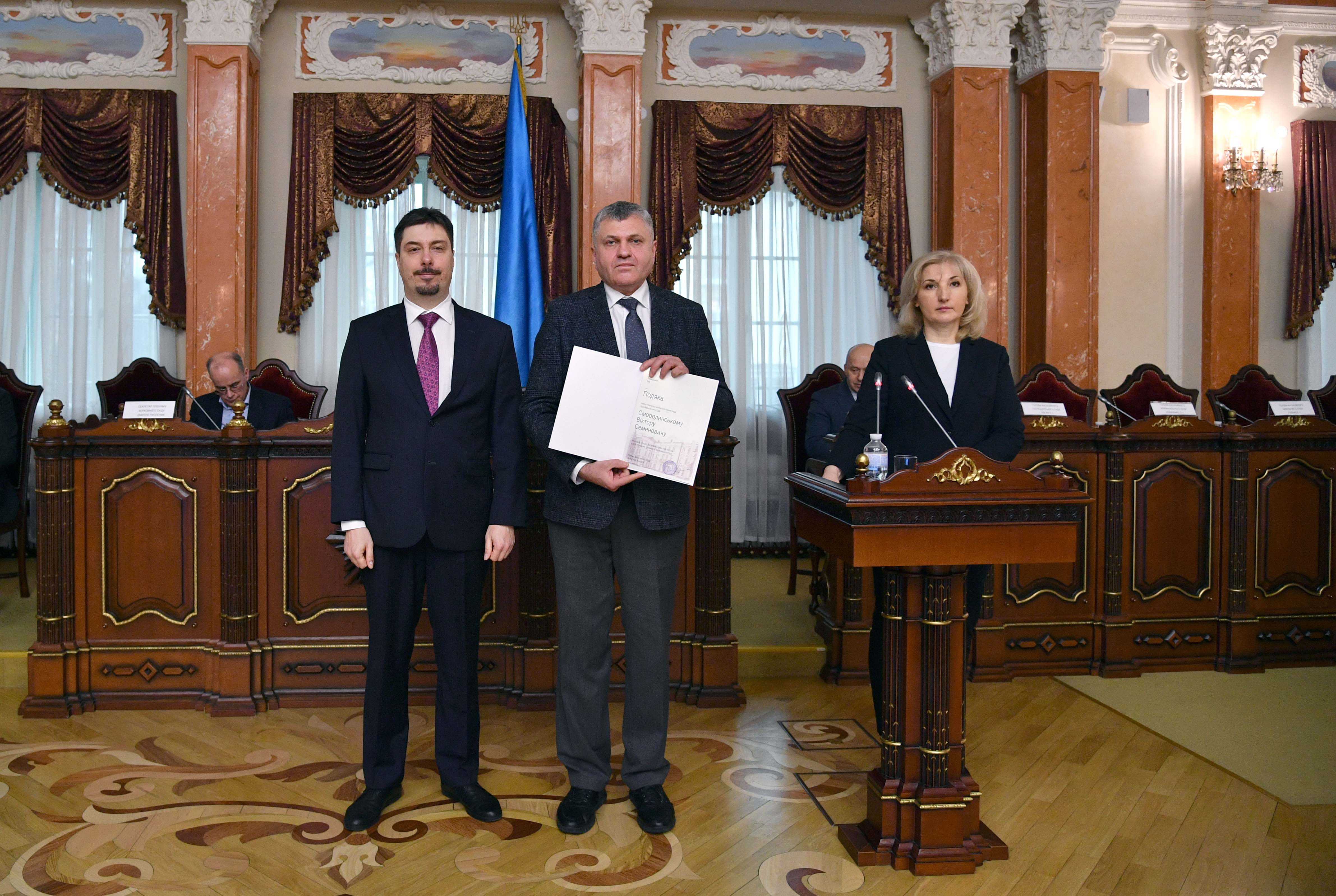
During the meeting, scholars who were most actively involved in the work of the Scientific Advisory Council were awarded distinctions of the Supreme Court for their fruitful work and significant personal contribution to the activities of the Supreme Court.
 |
 |
 |
 |
.jpg) |
 |
 |
|
_03_03.png)