Contact center of the Ukrainian Judiciary 044 207-35-46
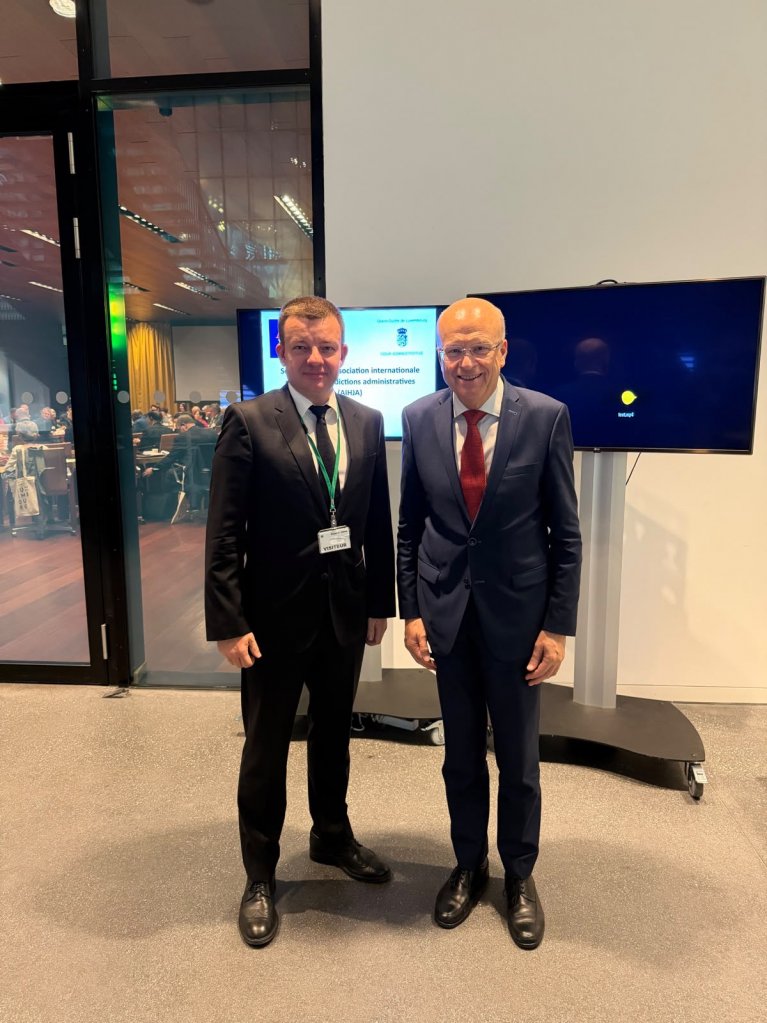
Ihor Dashutin, President of the Administrative Cassation Court of the Supreme Court, took part in a meeting of the Board of Directors and the seminar “The Rule of Law: Concept and Prospects” organised by the International Association of Supreme Administrative Jurisdictions (AIHJA), held in Luxembourg.
The event brought together presidents and judges of supreme courts, councils of state and supreme administrative jurisdictions from Albania, Algeria, Austria, Belgium, Benin, Bulgaria, Canada, Chad, Colombia, Cyprus, the Czech Republic, the Democratic Republic of the Congo, Egypt, Finland, France, Gabon, Germany, Greece, Hungary, Iraq, Italy, Kuwait, Latvia, Lebanon, Lithuania, Luxembourg, Madagascar, Malta, Mexico, Morocco, the Netherlands, Norway, Poland, Portugal, Romania, Senegal, Slovakia, Slovenia, Spain, Sweden, Switzerland, Thailand, Togo, Türkiye and Ukraine.
During the AIHJA Board of Directors meeting, participants discussed the Association’s organisational arrangements, current issues concerning the functioning of supreme administrative jurisdictions, and priorities for further international judicial cooperation.
The programme also included an international seminar entitled “The Rule of Law: Concept and Prospects”.
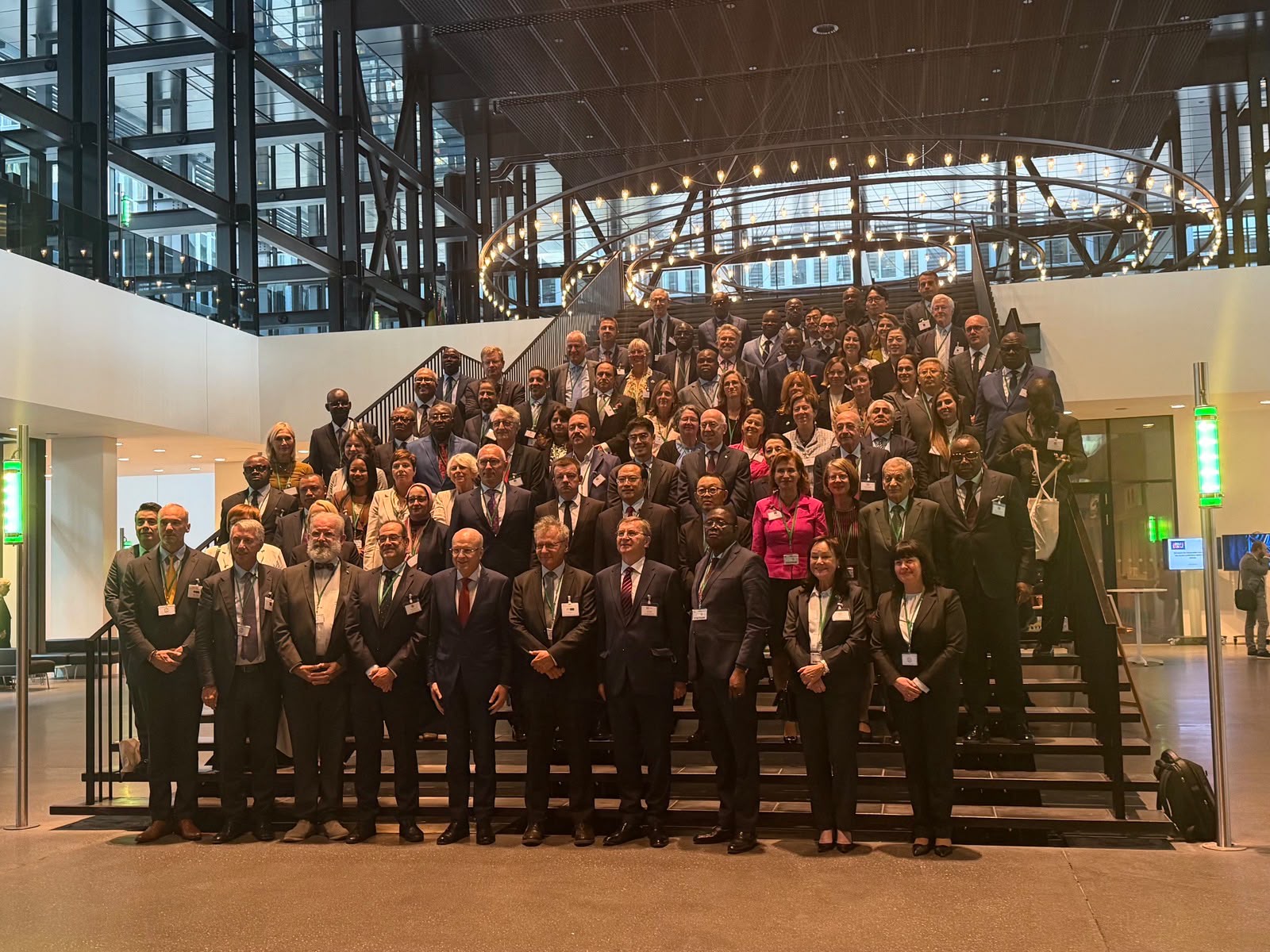
Welcoming remarks were delivered by representatives of European judicial institutions and the administrative judiciary, including Koen Lenaerts, President of the Court of Justice of the European Union; Isabel Perelló Doménech, President of the Supreme Court of the Kingdom of Spain and President of the International Association of Supreme Administrative Jurisdictions (AIHJA); Elisabeth Margue, Minister of Justice of the Grand Duchy of Luxembourg; and Francis Delaporte, President of the Administrative Court and Vice President of the Constitutional Court of the Grand Duchy of Luxembourg.
During the panel discussions held as part of the AIHJA Board of Directors meeting and the “The Rule of Law: Concept and Prospects” seminar, participants addressed current developments in administrative justice, the protection of the rule of law, and the further digitalisation of judicial proceedings.
The first part of the seminar focused on the concept of the rule of law and the role of the judiciary in upholding it. Speakers emphasised that the substance of judicial functions lies not in the extent of judicial powers as such, but in their practical effectiveness and the safeguards necessary to ensure their proper exercise.
The second part of the event focused on the future of the rule of law. Participants examined current challenges and the factors that contribute to its resilience, as well as practical mechanisms for safeguarding the rule of law in the contemporary context.
One of the topics discussed was the scope of judicial review of decisions and actions taken by public authorities, including the exercise of discretionary powers where such decisions may affect an individual’s rights and legitimate interests.
In the context of legal certainty and consistency in judicial decision-making, participants discussed the need to prevent the retrospective application of legislation that adversely affects individuals or businesses, as well as the importance of consistency in the application of the law as a prerequisite for legal predictability.
A separate part of the discussion addressed the use of artificial intelligence and other digital technologies by courts. Participants noted that such tools may be used to support court administration, case management and the automation of certain technical processes. At the same time, the final determination of a case must remain the exclusive responsibility of a judge.
The event also provided an opportunity to consider specific aspects of the Luxembourg justice system and the challenges it faces. These included the length of judicial proceedings, court workloads and staffing levels. The data presented indicated an increase in the time taken to determine administrative cases at first instance, highlighting the importance of effective court management and the efficient allocation of resources.
Ensuring judicial independence and strengthening public confidence in the administration of justice were also discussed among the key areas for reform of the justice system.
Participants exchanged experience of the functioning of supreme administrative jurisdictions, discussed common challenges facing the judiciary and considered the role of courts in upholding the rule of law.
_03_03.png)