Contact center of the Ukrainian Judiciary 044 207-35-46
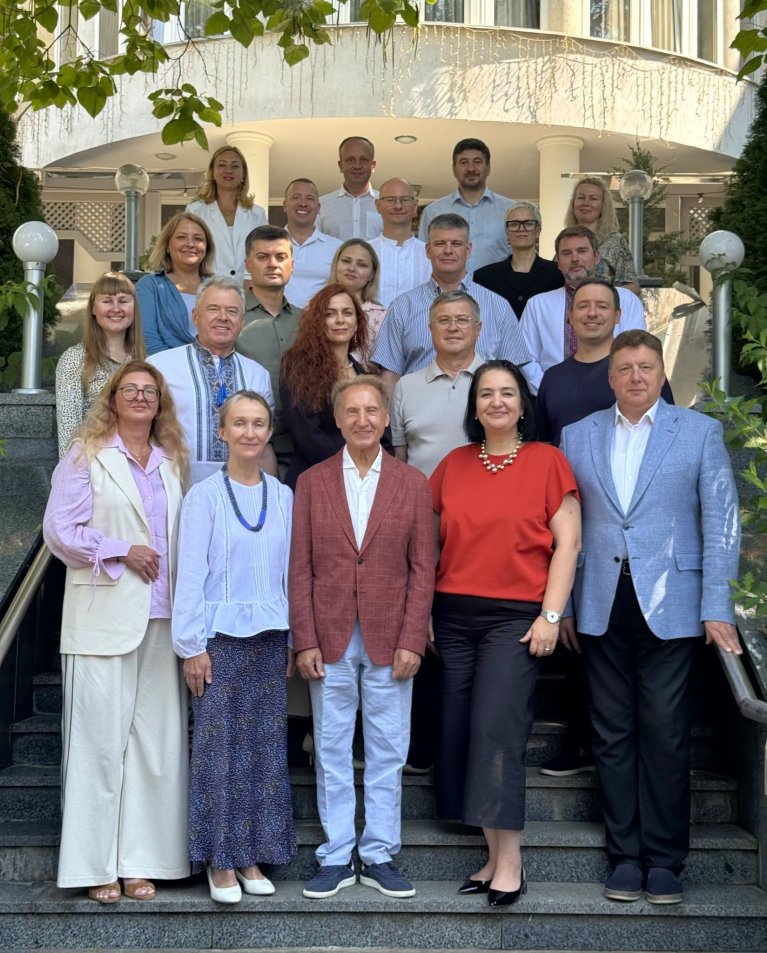
Judges of the Supreme Court in the Administrative Cassation Court Yan Bernaziuk and Olesia Radyshevska, and Judge of the Supreme Court in the Commercial Cassation Court Yehor Krasnov, took part in the work of the 2nd Summer School for Judges “European Union Law and Its Implementation in Ukraine’s Justice System: From Luxembourg to the National Court”.
The aim of the event was to:
Leading experts and judges from Ukraine, the United Kingdom, the Netherlands, Poland and Sweden took part in delivering the training sessions. The programme of the event covered a wide range of topics devoted to the application and implementation of European Union law in national legal systems.
Olesia Radyshevska conducted a training session on the topic “The Rule of Law in the Administration of Justice by National Courts: From the Standards of the Council of Europe to the Approaches of the European Union”.
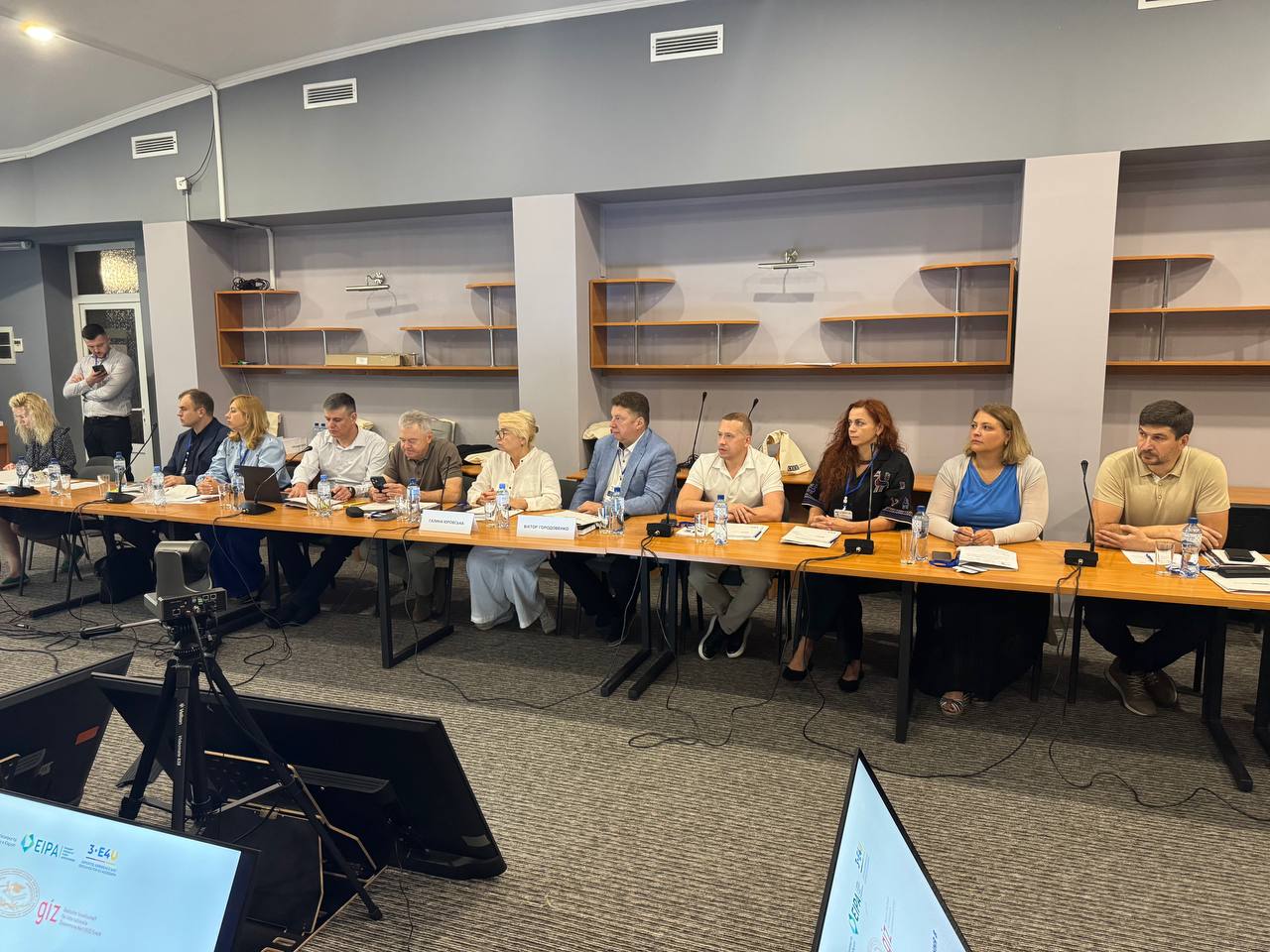
The training session became a professional platform for discussing the contemporary challenges of implementing the fundamental rights and freedoms of individuals and citizens under martial law. Particular attention was paid to aligning national court practice with the approaches of the European Union and to developing unified approaches to the understanding and application of the concept (criteria and principles) of the rule of law in the consideration of cases in Ukraine.
In particular, as a result of the training conducted by the judge, the participants deepened their knowledge of the following issues:
The training covered topical issues of the application of law and the implementation of international standards in national judicial practice. The knowledge acquired, analytical materials and recommendations are of practical significance for the further professional activity of national judges. They will contribute to the effective application of the fundamental principles of the EU in the field of human rights protection, the enhancement of the quality and effectiveness of the application by the courts of the norms of supranational and international law, and the strengthening of public trust in the judiciary in Ukraine.
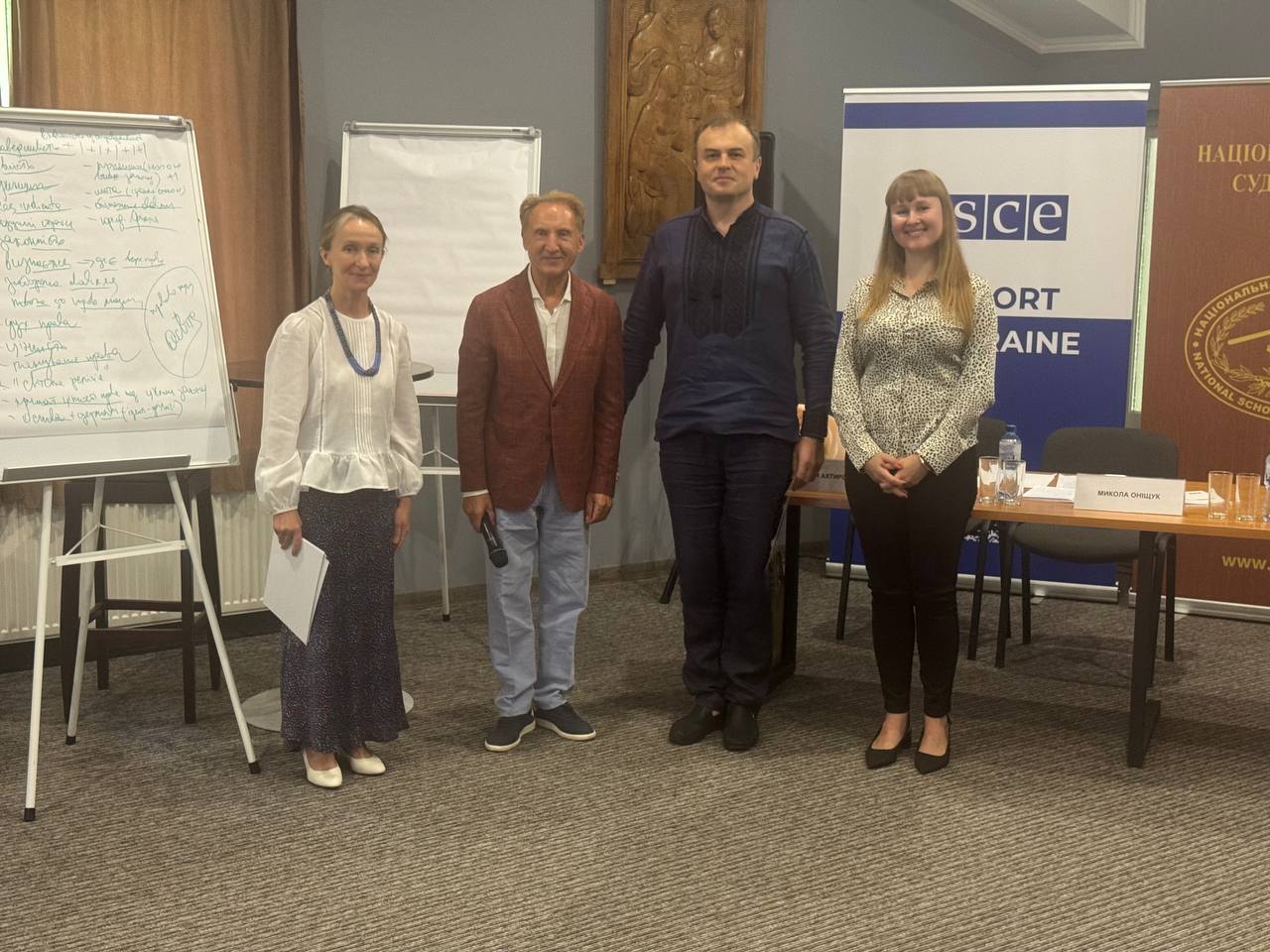
Within the framework of the event, Yan Bernaziuk presented a paper on the topic “The Case Law of the Court of Justice of the European Union in the Decisions of the Supreme Court: Forms, Functions and Limits of Application”.
The judge paid particular attention to the following aspects:
Yan Bernaziuk noted that the EU legal order, the Convention system and the system of the European Social Charter have different legal natures, different mechanisms of control and different rules of application. They cannot be mechanically combined under the concept of “EU law”, since the Court of Justice of the European Union interprets the law of the Union, the European Court of Human Rights interprets the Convention for the Protection of Human Rights and Fundamental Freedoms, and the European Committee of Social Rights assesses the fulfilment by the member states of the Council of Europe of the European Social Charter.
At the same time, these legal systems partially overlap at the level of principles and standards and together influence the formation of the European legal space, at the centre of which are the rule of law, human rights, proportionality, good governance and effective judicial protection.
According to the speaker, the practice of the Supreme Court demonstrates that EU law and the judgments of the Court of Justice of the European Union are already being used as instruments of argumentation in real disputes — from legal certainty and good administration to sanctions, citizenship, judicial independence and digital justice.
Such examples illustrate not merely the citation of European sources, but also the methodological use of the principles and approaches of the Court of Justice of the European Union in national application of the law.
The next stage consists not in increasing the number of references to the judgments of the Court of Justice of the European Union, but in enhancing the quality of their use. This concerns the relevance of the legal issue, a clear connection with national law and the correct determination of the limits of application of the relevant European approach.
Yan Bernaziuk’s presentation is available at the following link: https://court.gov.ua/storage/portal/supreme/prezent2026/197_CJEU_Practice_bernaziuk.pdf.
During the panel discussion, Yehor Krasnov emphasised the importance of systematic judicial education for the proper application of EU law in Ukraine. He noted the important role of the National School of Judges of Ukraine in developing modern competences: understanding European legislation, the case law of the Court of Justice of the European Union and the methodology of their use in national application of the law.
The judge paid particular attention to the development of cooperation by the National School of Judges of Ukraine with judges of the Supreme Court, European partners and international educational projects aimed at preparing Ukrainian judges for work in the conditions of European integration.
The speaker also noted that Ukraine’s European integration requires not only the harmonisation of legislation, but also the systematic strengthening of the institutional capacity of the courts to work with the EU legal system. It is for this reason that the professional training of judges and the exchange of experience with European colleagues acquire particular significance.
The event was organised by the National School of Judges of Ukraine with the support of the OSCE Support Programme for Ukraine within the framework of the project “Ensuring Observance of Human Rights in the Administration of Justice, Phase II”, jointly with the European Institute of Public Administration (EIPA), the GIZ Ukraine project “Strengthening Ukraine’s Compliance with EU Standards in the Field of the Rule of Law” (3*E4U) and the National Courts Administration of Sweden.
_03_03.png)