Contact center of the Ukrainian Judiciary 044 207-35-46
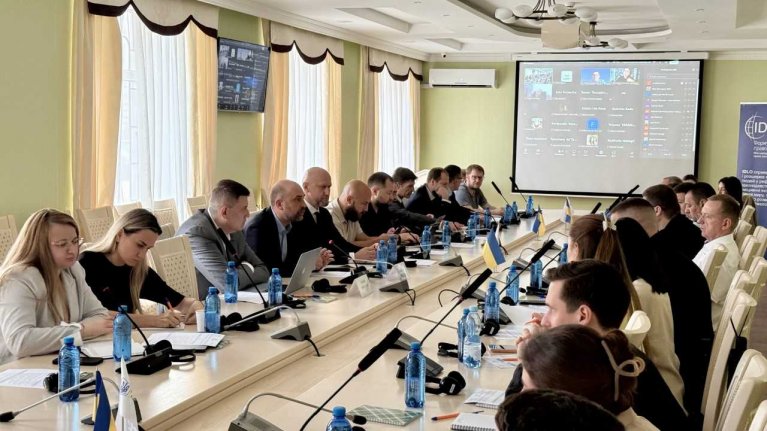
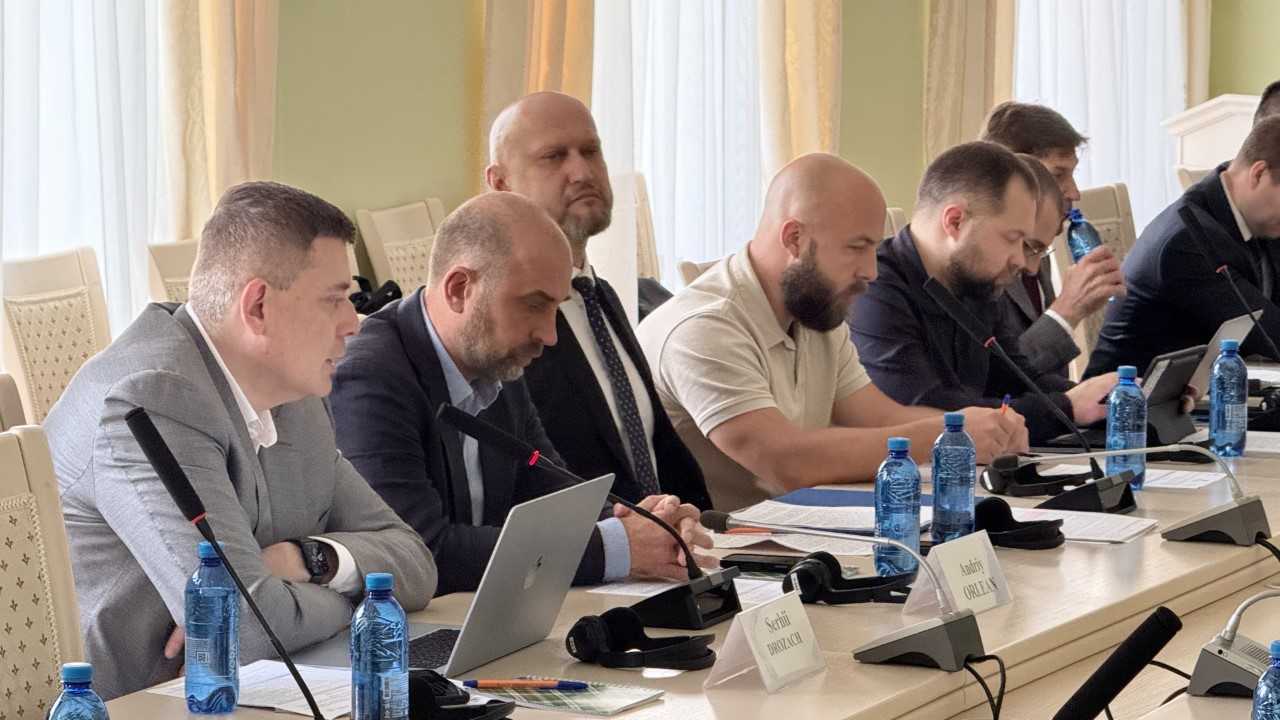
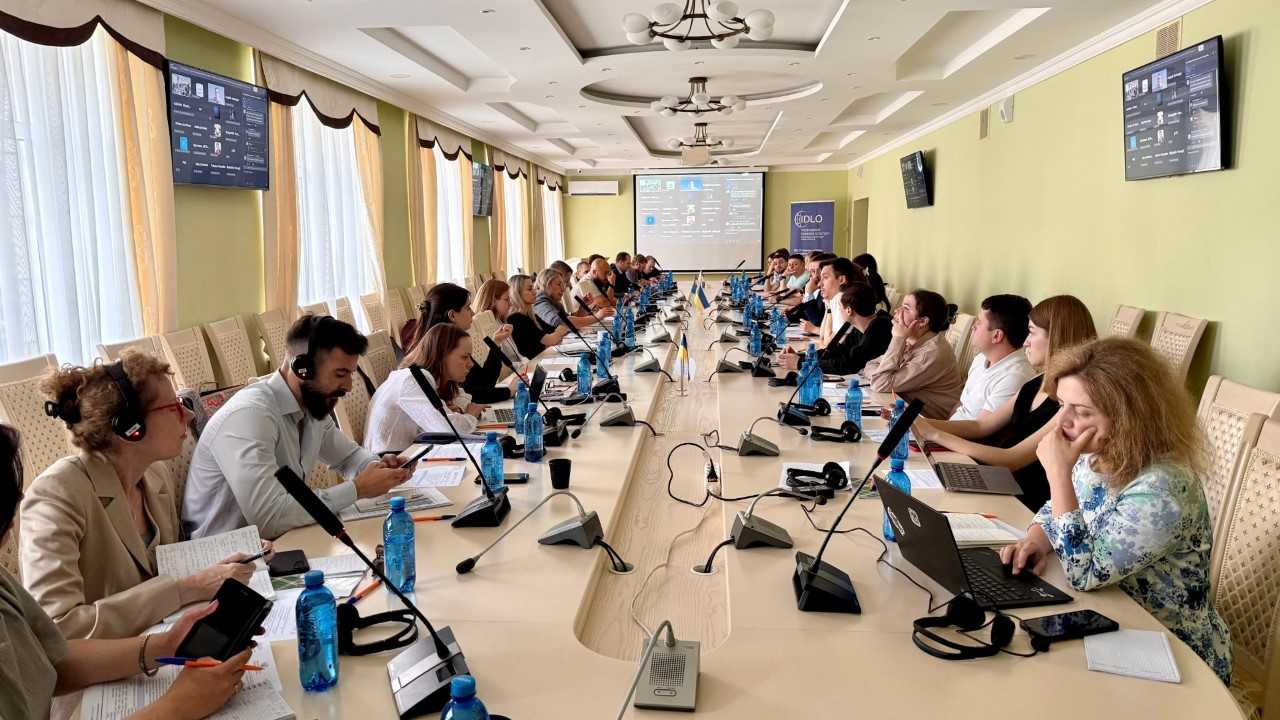
Judges of the Grand Chamber of the Supreme Court Lev Kyshakevych and Nadiia Stefaniv spoke at the roundtable “Issues of Admissibility and Authenticity of Electronic Evidence Obtained from Open Sources (OSINT) in Criminal Proceedings Concerning International Crimes”, held at the Prosecutor's Training Center of Ukraine.
During the event, Lev Kyshakevych presented an analysis of current case law regarding the specifics of using electronic evidence collected through open-source intelligence (OSINT).
He emphasized that OSINT tools have become one of the key instruments in investigating war crimes and the crime of aggression. At the same time, Ukraine’s current criminal procedural legislation does not contain a definition of the term “OSINT”. The lack of special regulatory regulation gives the defence grounds to raise questions regarding the relevance and admissibility of such evidence.
Despite the legislative gaps, the Supreme Court has already developed a stable and consistent law enforcement practice. An analysis of a number of Supreme Court rulings in cases involving state treason, collaborative activities, and encroachments on territorial integrity shows that information obtained from the Internet is evaluated by courts according to the general rules of the Criminal Procedure Code of Ukraine.
The judge highlighted the following key legal positions of the Supreme Court:
Summarizing his speech, Lev Kyshakevych noted that the results of monitoring open sources and the digital environment are mostly added to the case materials as documents (in accordance with Article 99 of the Criminal Procedure Code of Ukraine) and as annexes to the reports of investigative (search) actions (in accordance with Article 105 of the Criminal Procedure Code of Ukraine).
Nadiia Stefaniv focused on the challenges of legalizing OSINT evidence and the need to “sift” it through a strict “filter of admissibility”. She pointed out that, until relevant amendments are made to the criminal procedural legislation, Ukrainian courts and pre-trial investigation bodies should, in addition to the provisions of the current Criminal Procedure Code of Ukraine and the legal positions of the Supreme Court, take into account the case law of the International Criminal Court, given Ukraine’s ratification of the Rome Statute.
The judge referred to the experience of ICC Judge Joanna Korner (a British lawyer with over 45 years of experience, formerly a senior prosecutor at the International Tribunal for the Former Yugoslavia), who had previously shared with Ukrainian judges the ICC’s practice, which actively uses digital and electronic evidence. She emphasized the importance of proper initial recording of such evidence and its classification. Nadiia Stefaniv noted that one of the main problems most frequently raised by the defence is the risk of breaking the chain of custody of electronic evidence and its metadata – from the primary source to the court decision. That is why all participants in criminal proceedings must share the same approaches to understanding the principles and rules for handling such data.
The speaker also drew attention to the issue of the volume of digital materials at the stage of disclosure of evidence to the parties (in accordance with Article 290 of the Criminal Procedure Code of Ukraine and by analogy with Article 67 of the Rome Statute).
Nadiia Stefaniv noted a positive trend in the practice of courts of first instance regarding the evaluation of this type of evidence. According to her, Ukrainian judges are already actively implementing international standards by providing detailed and reasoned assessments of the examined OSINT evidence in their rulings, indicating website addresses, following the verification process, and giving substantive responses to the defence’s objections. At the same time, the provisions of the Berkeley Protocol are applied by courts not as a direct source of law, but as an authoritative recommendation that strengthens the guarantees of assessing the admissibility of evidence, with the overall aim of ensuring a fair trial.
Judge of the Supreme Court in the Criminal Cassation Court Mykola Kovtunovych also took part in the event.
The event was initiated by the International Development Law Organization (IDLO) Representation in Ukraine in partnership with the Asser Institute.
_03_03.png)