Contact center of the Ukrainian Judiciary 044 207-35-46
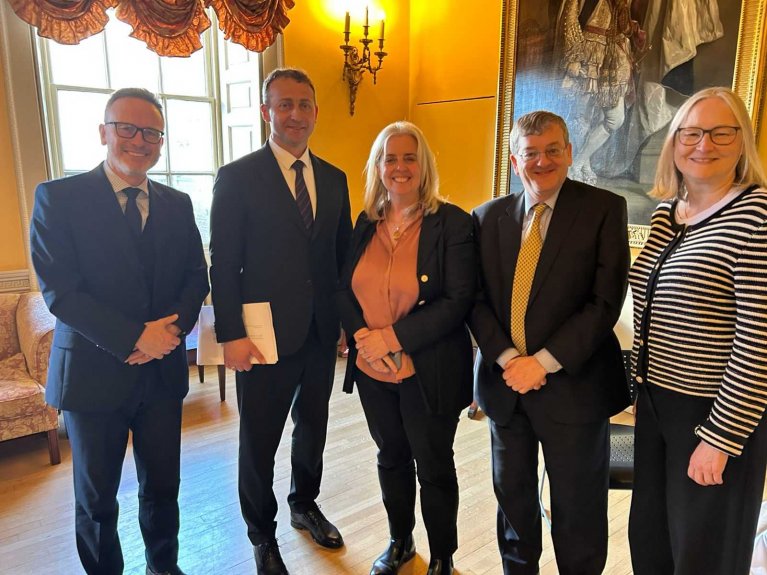
Judge of the Supreme Court in the Civil Cassation Court Yevhen Synelnykov delivered a lecture on the functioning of the Ukrainian judicial system under martial law at the Constitutional and Administrative Law Bar Association (ALBA) of England and Wales.
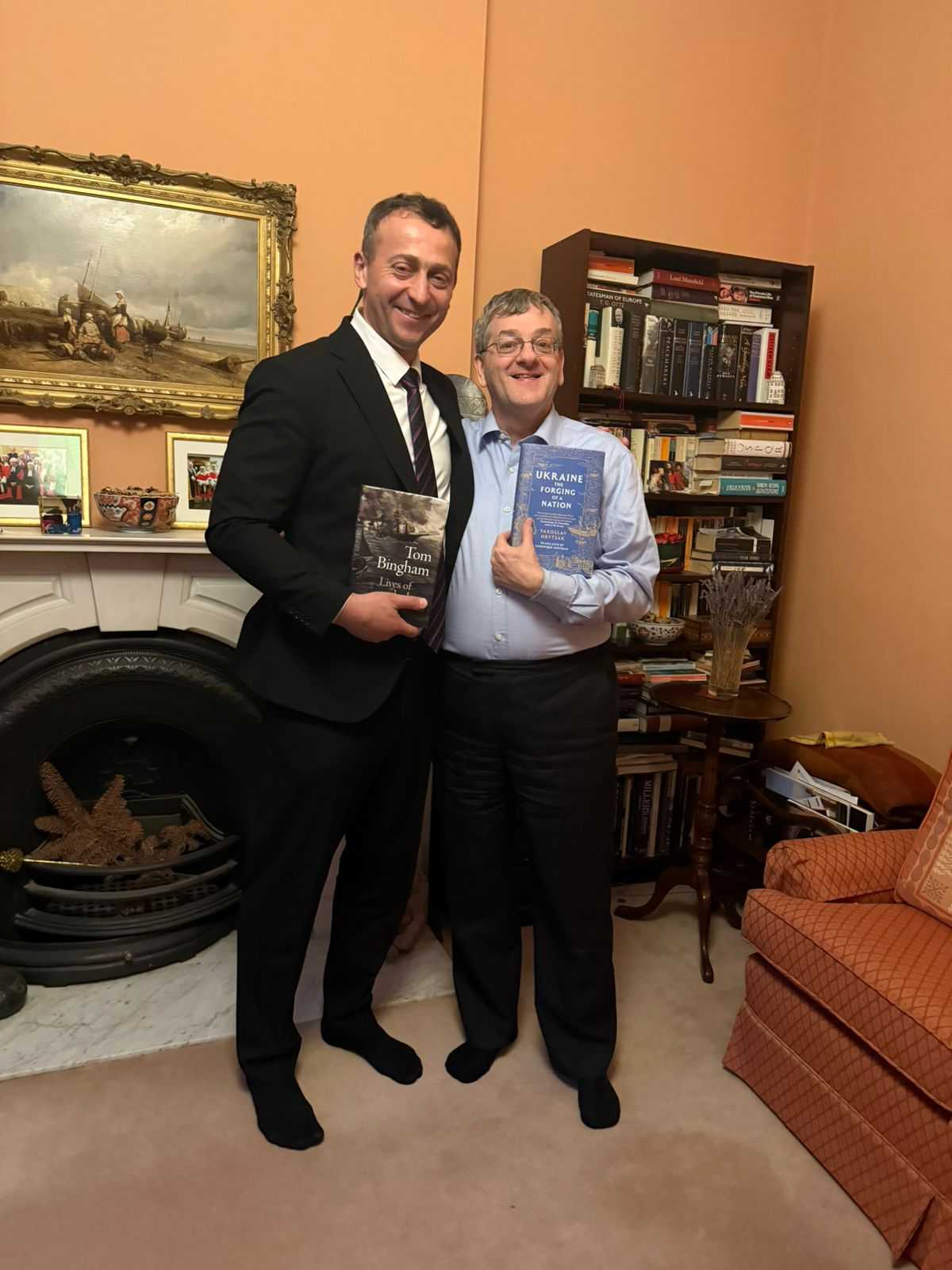
Prior to this, Yevhen Synelnykov met with the Deputy President of the Supreme Court of the United Kingdom, Lord Philip Sales. The parties discussed the experience of administering justice in the highest judicial instances of the United Kingdom and Ukraine. Lord Philip Sales noted that the UK Supreme Court hears approximately 150 cases per year, half of which come from the Court of Appeal and the other half from countries that recognize the court’s jurisdiction. Cases are typically heard by a panel of five judges. Court proceedings are broadcast online. Yevhen Synelnykov also spoke with the President and judges of the UK Supreme Court, who expressed sincere support for their Ukrainian colleagues.
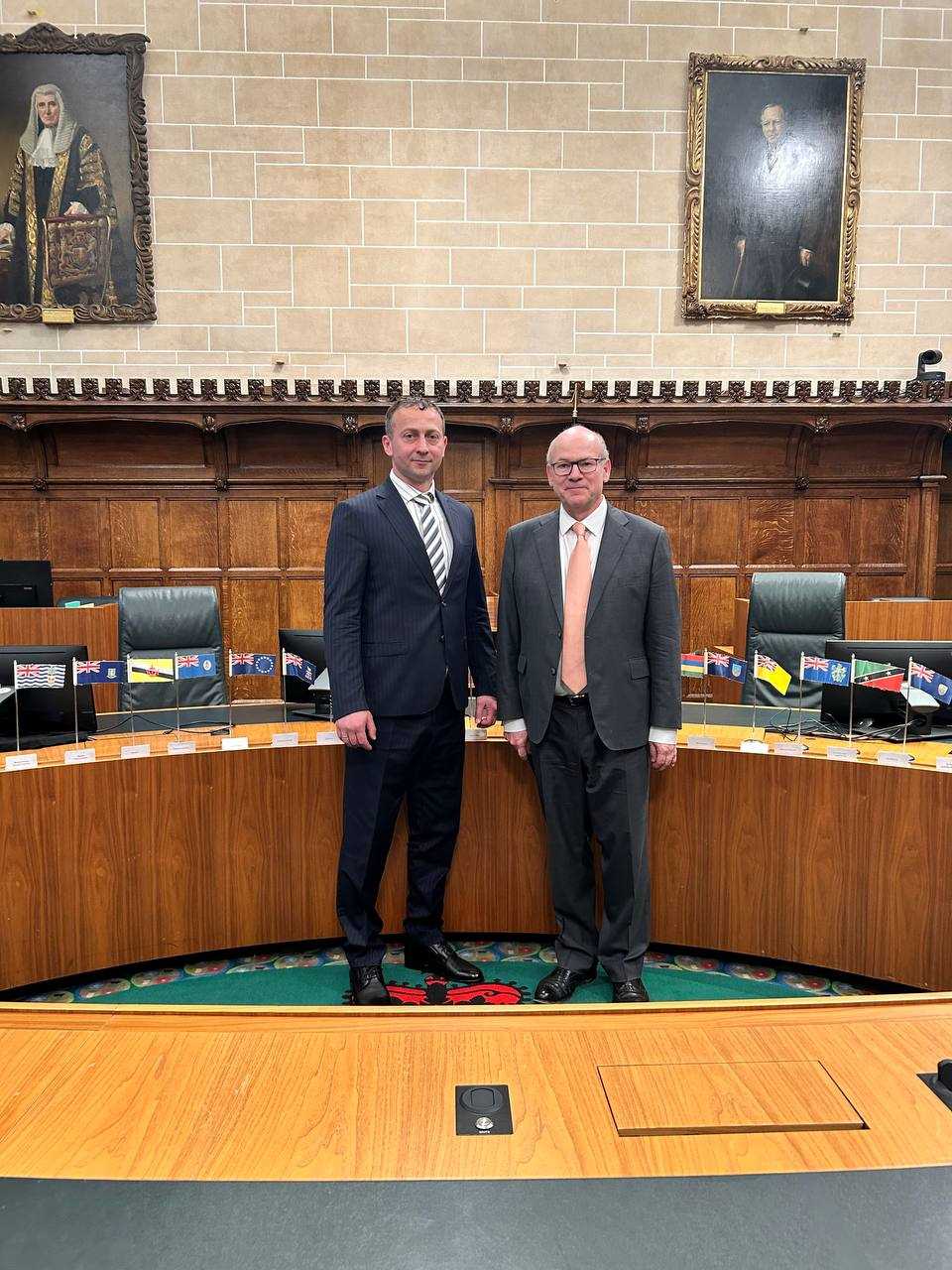
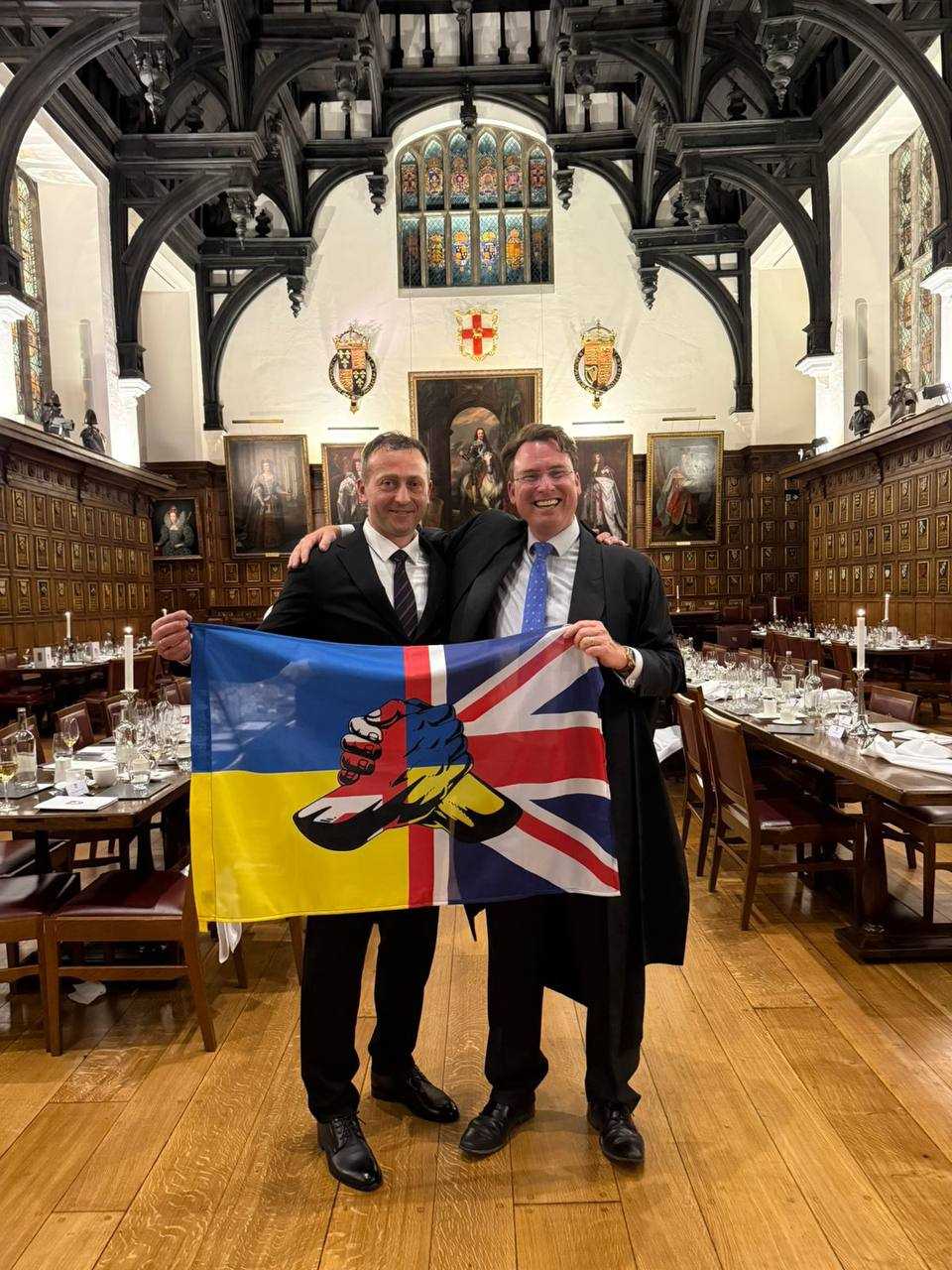
On the same day, a solemn ceremony was held admitting the Supreme Court judge as an honorary member of the Honourable Society of the Middle Temple. As a reminder, in December of last year, by unanimous decision of the Benchers of the Honourable Society of the Middle Temple, Yevhen Synelnykov was elected an honorary Bencher (member) of this legal community (https://supreme.court.gov.ua/supreme/pres-centr/news/1946373/). This marks the first time a Ukrainian judge has joined the English legal corporation, which has existed since the 14th century. The Supreme Court judge stated that he sees this as recognition of the support of Ukrainian lawyers by the British legal community and the importance of sharing experience in order to overcome current challenges and threats.
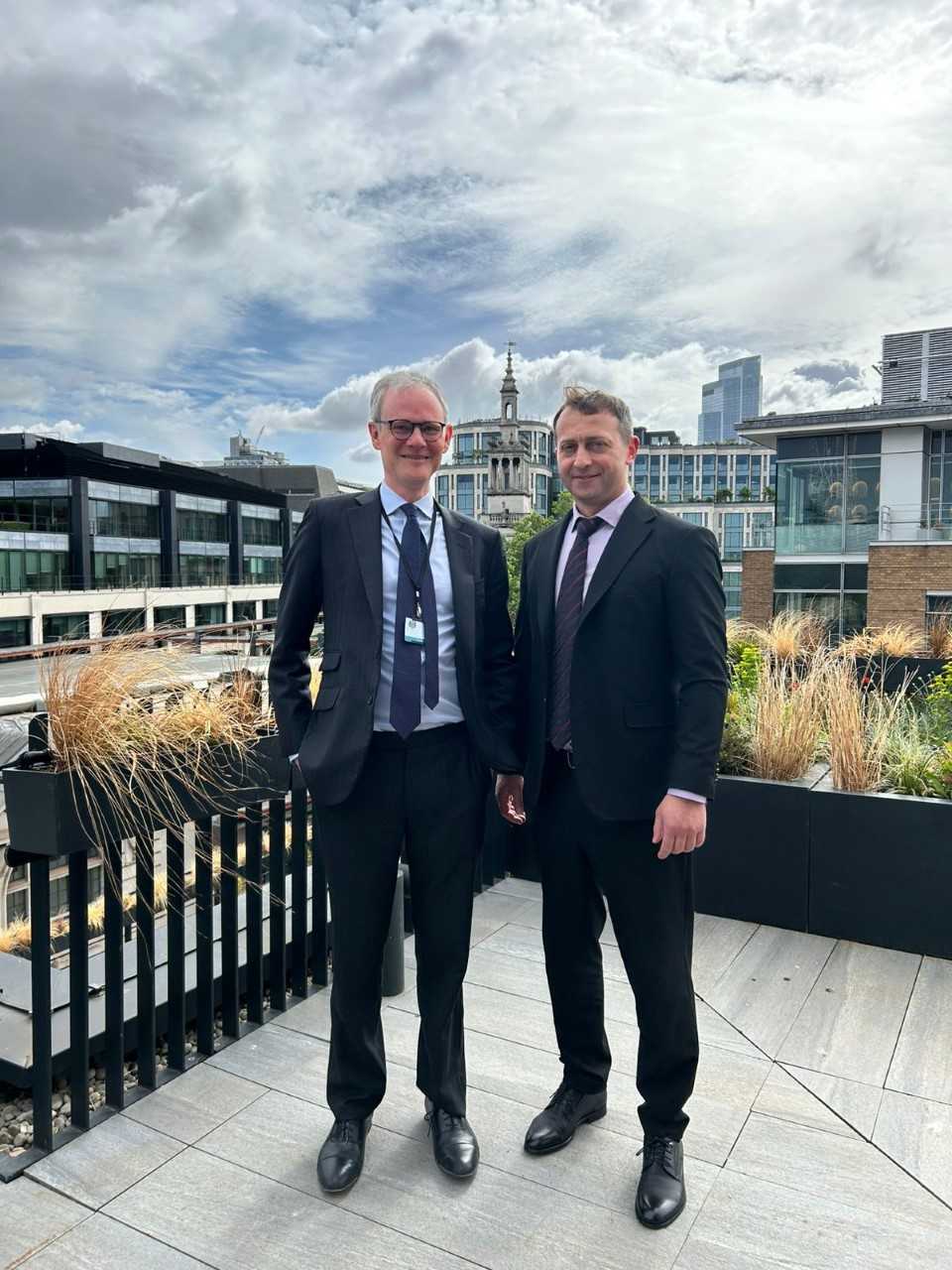
As part of the visit, Yevhen Synelnykov also visited the Court of Appeal of England and Wales, where he held meetings with judges Clive Lewis and Kathryn Thirlwall. He attended a hearing in the Family Division of the High Court of Justice of England and Wales in a case concerning consent to change a child’s country of residence without the consent of the other parent (Judge Frances Judd). In the Central Family Court in London, the Supreme Court judge attended hearings on cases involving the removal of a child and placement with a foster family, as well as the issuance of a non-molestation order (Judge Marc Marin).
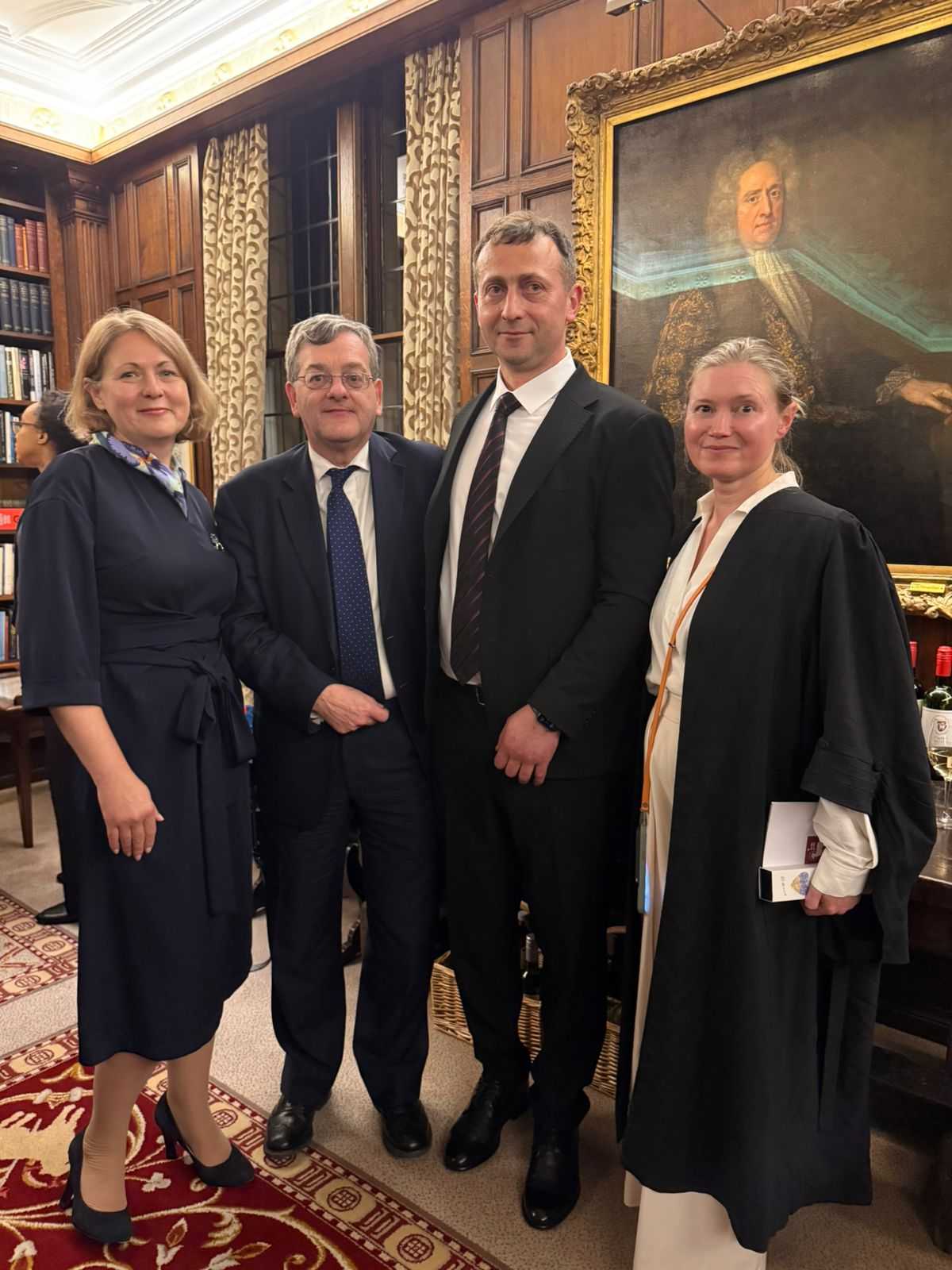
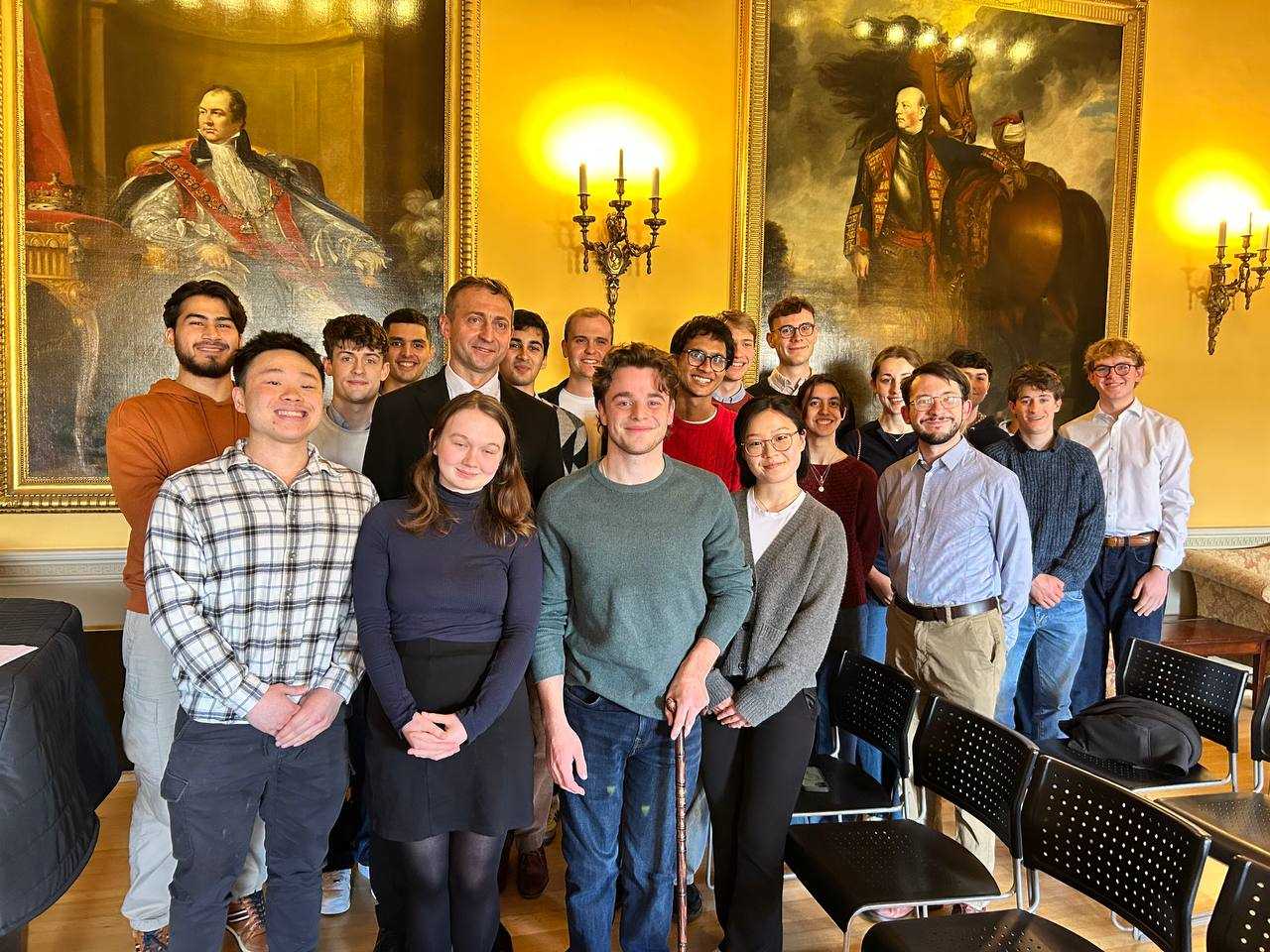
In addition, Yevhen Synelnykov visited Cambridge, where he took part in a question-and-answer session with Professors Catherine Barnard and Janet O’Sullivan (Vice-Master of Selwyn College), Judge B. Clarke, and students. The session focused on the functioning of state institutions and the protection of human rights in Ukraine.
The judge also visited the Central London Employment Tribunal and attended hearings in cases concerning unfair dismissal, discrimination, and the protection of labour rights (judges Tim Adkin, Tom Snelson, and Emma Barnes).
During his lecture at ALBA, Yevhen Synelnykov emphasised that every day of administering justice during wartime is a small victory. Courts are operating under extremely difficult conditions: air raid alerts regularly interrupt court hearings, and a significant number of court buildings have been damaged or completely destroyed as a result of rocket attacks and drone strikes.
The judge highlighted the problem of staff shortages. For example, the Kharkiv Court of Appeal currently has only 11 judges, with 49 positions vacant. The caseload for a district court judge in Kyiv exceeds 3,000 cases per year. In total, there are currently 4,735 working judges and 2,298 vacant positions in Ukraine. Funding of the judicial system remains a challenge, and countering cyber threats in wartime is of great importance.
Yevhen Synelnykov also spoke about the irreparable human losses suffered by the judicial system. In particular, in September 2024, Supreme Court Judge Leonid Loboiko, who was delivering humanitarian aid in his native Kharkiv region, was killed as a result of a Russian drone strike on his car.
The speaker did not overlook the specifics of legal proceedings under martial law. In particular, he discussed the position of the Grand Chamber of the Supreme Court on the suspension of proceedings in cases where one of the parties is a member of the armed forces. He also informed the audience about the Supreme Court’s legal positions regarding the recognition of missing servicemen as deceased.
Separately, the judge explained the Supreme Court’s legal positions on limiting the judicial immunity of the aggressor state, which grossly violates the norms of international public and humanitarian law, and highlighted issues related to compensating victims of the aggression.
Yevhen Synelnykov also noted that the Constitution of Ukraine prohibits any restriction on the function of judicial protection even under martial law and, at the same time, does not allow the creation of emergency or special courts outside the constitutional system. Ukrainian judges continue to demonstrate commitment to democracy and the protection of human rights under the current conditions.
Yevhen Synelnykov also distributed among the judges and lawyers the documentary film “In Your Name: Justice in Wartime” in English. As a reminder, the film tells the stories of Ukrainian judges who continue to administer justice during the full-scale war or defend Ukraine in the ranks of the Armed Forces.
After the lecture, the audience had the opportunity to ask the speaker questions.
In particular, they asked whether the nature of cases had changed under martial law. Yevhen Synelnykov said that cases with a distinct wartime character had emerged. He mentioned cases concerning the establishment of facts of birth or death in the occupied territories, among others. There has also been a significant increase in disputes involving children who have left Ukraine (approximately 1 million children are currently in EU countries and the United Kingdom). Many lawsuits are being filed against the aggressor state, both by individuals and companies, in national courts as well as in international arbitration.
One question was whether the high number of cases indicates public trust in the judicial system. The judge described this as a complex issue. He noted that the judicial system is in constant dialogue with the government and parliament regarding necessary reforms. However, the state is forced to allocate limited resources among numerous critical problems: restoring infrastructure, heating, electricity supply, and social payments. The judge also recalled the introduction in 2017 of procedural filters for cassation proceedings as a tool to reduce the workload on the cassation instance. As a benchmark for reforms on Ukraine’s path to the EU, he mentioned the Rule of Law Roadmap.
The audience was interested in what legal framework exists for the return of children abducted by the aggressor state. The speaker acknowledged that this problem is extremely complex. Both state bodies and civil society organisations are involved in the investigations. However, returning the children is complicated by the fact that within a year or two they may adapt to the new environment, especially under the influence of propaganda. There have been known cases of special operations to return children who themselves wanted to come back to Ukraine even without their parents. This issue is a focus of international organisations and requires the use of international mechanisms.
Questions were also asked about the morale among Ukrainian judges. Yevhen Synelnykov replied that Ukrainians have become accustomed to these trials and are ready to resist the aggressor because there is no other choice. The aggressor state seeks to destroy Ukraine as a state and does not recognise Ukrainians as a nation, which is why the entire country, including the judicial system, is resisting.
The judge spoke about the strength of spirit and dedication of the judges and court staff of the Synelnykivskyi City District Court in Dnipropetrovsk region, who face a very high workload and continue to administer justice even after their court building was destroyed in April this year.
Concluding the meeting, the moderator thanked the speaker and expressed deep respect to all judges of Ukraine for their vitally important work in ensuring peace and harmony across Europe.
Yevhen Synelnykov’s presentation – https://court.gov.ua/storage/portal/supreme/prezent2026/Comprehensive%20overview%20last%20(1).pdf
_03_03.png)