Contact center of the Ukrainian Judiciary 044 207-35-46

This was discussed by Judge of the Grand Chamber of the Supreme Court Oleksandr Banasko, Judge of the Supreme Court in the Civil Cassation Court Nataliia Sakara, and Judge of the Supreme Court in the Administrative Cassation Court Myroslava Bilak during the presentation of the report “Impartiality of the Court and Judge Recusal in the Context of Article 6 § 1 of the ECHR: Analysis of ECtHR Case Law and the National Context”, prepared by the EU Project “Pravo-Justice”.
Nataliia Sakara, who is one of the reviewers of the report, noted that the topic of ensuring a fair trial is extremely relevant. Since 1997, when the Convention for the Protection of Human Rights and Fundamental Freedoms became binding for Ukraine, the requirement for an independent and impartial court established by law has effectively become an axiom. Impartiality, the judge emphasised, is not only a procedural norm but also a matter of public trust in the judicial system, especially during its reform in line with European Union standards.
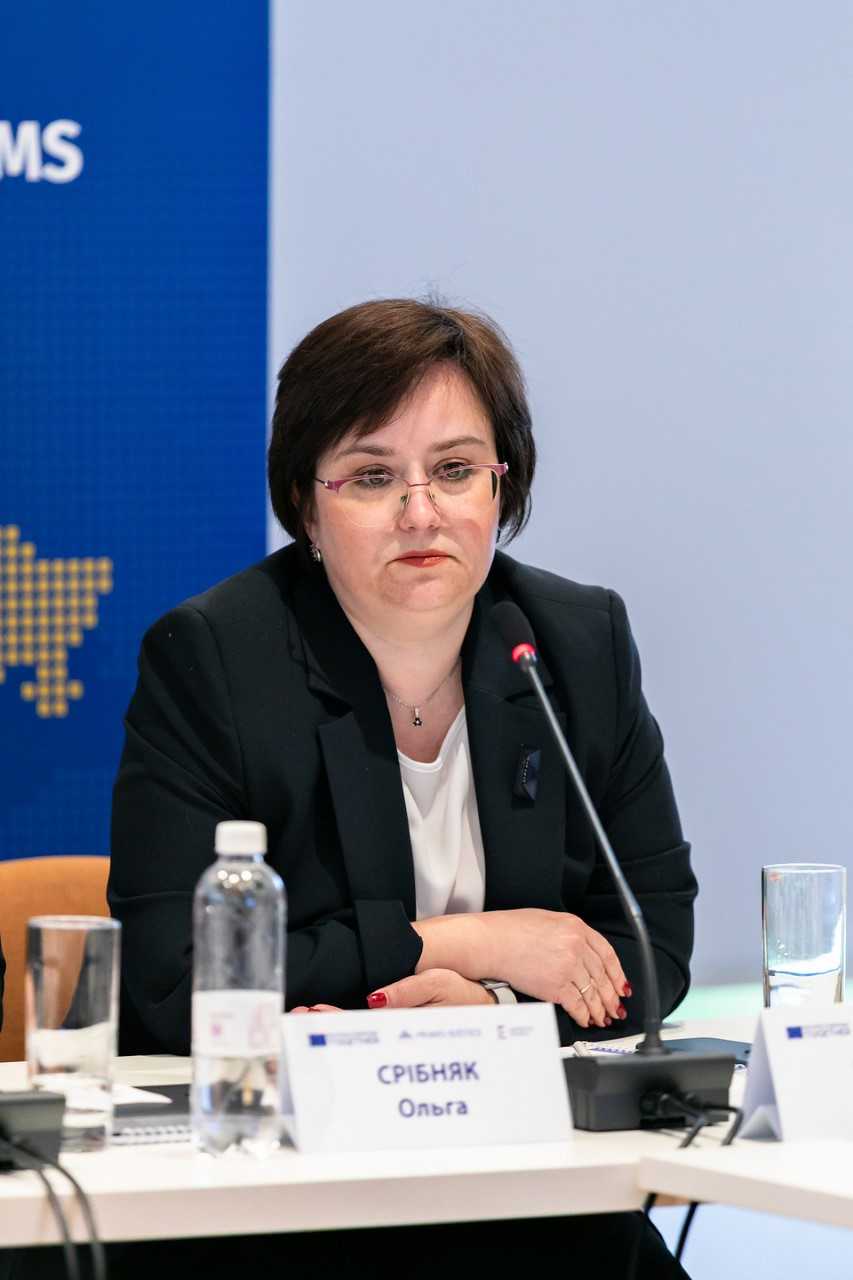
At the same time, despite the fact that the requirements for impartiality are studied by every law student, in practice judges face new challenges every day: social relations are developing, parties are becoming more aware of legal norms, and they are beginning, to some extent, to abuse their procedural rights. One such abuse is the filing of unfounded recusals.
The judge also drew attention to the opposite problem: in some cases, judges themselves try to file a self-recusal to avoid hearing complex cases. This may indicate an insufficient level of responsibility and legal culture on the part of such a judge.
However, Nataliia Sakara noted that the presented analytical study is primarily focused on cases where there are genuine grounds for recusing a judge. It will help avoid situations where, after a case has been heard by a national court, the ECtHR finds a violation of the requirements of Article 6 § 1 of the Convention due to a conflict of interest on the part of the national court judge.
The speaker noted that unfounded recusals primarily affect courts of first instance and appellate courts. However, if a recusal is filed against all judges in a court of first instance, the case may be transferred to another court for consideration. The Supreme Court does not have this option. At first glance, filing a recusal against all judges of the cassation court may seem impossible. However, last year there was a situation where a party first filed a recusal against the judge-rapporteur in the case, then against the judge who was considering that recusal, and so on. Eventually, recusals were filed against the majority of the court’s composition. As a result, the party’s actions were qualified as an abuse of procedural rights and it was held liable in the form of a fine.
Separately, the judge highlighted the value of ECtHR case law, particularly regarding the repeated participation of judges in the consideration of a case after it has been remanded for a new hearing. Previously, it was considered that following the instructions of the Supreme Court did not cast doubt on the judge’s impartiality. However, ECtHR case law shows that it is also necessary to analyse the content of the recommendations provided and their possible impact on the objectivity of the subsequent hearing.
In conclusion, the judge expressed confidence that the report under discussion would be useful not only for judges but for the entire legal community — as a tool for raising legal culture and reducing the number of abuses, which would contribute to increasing public trust in the judiciary.
Oleksandr Banasko congratulated the legal community, the judiciary, and all those involved in the administration of justice on the appearance of this fundamental work in the form of the presented report. He expressed gratitude to the experts, reviewers, and the EU Project “Pravo-Justice” for preparing such an extremely high-quality analytical product.
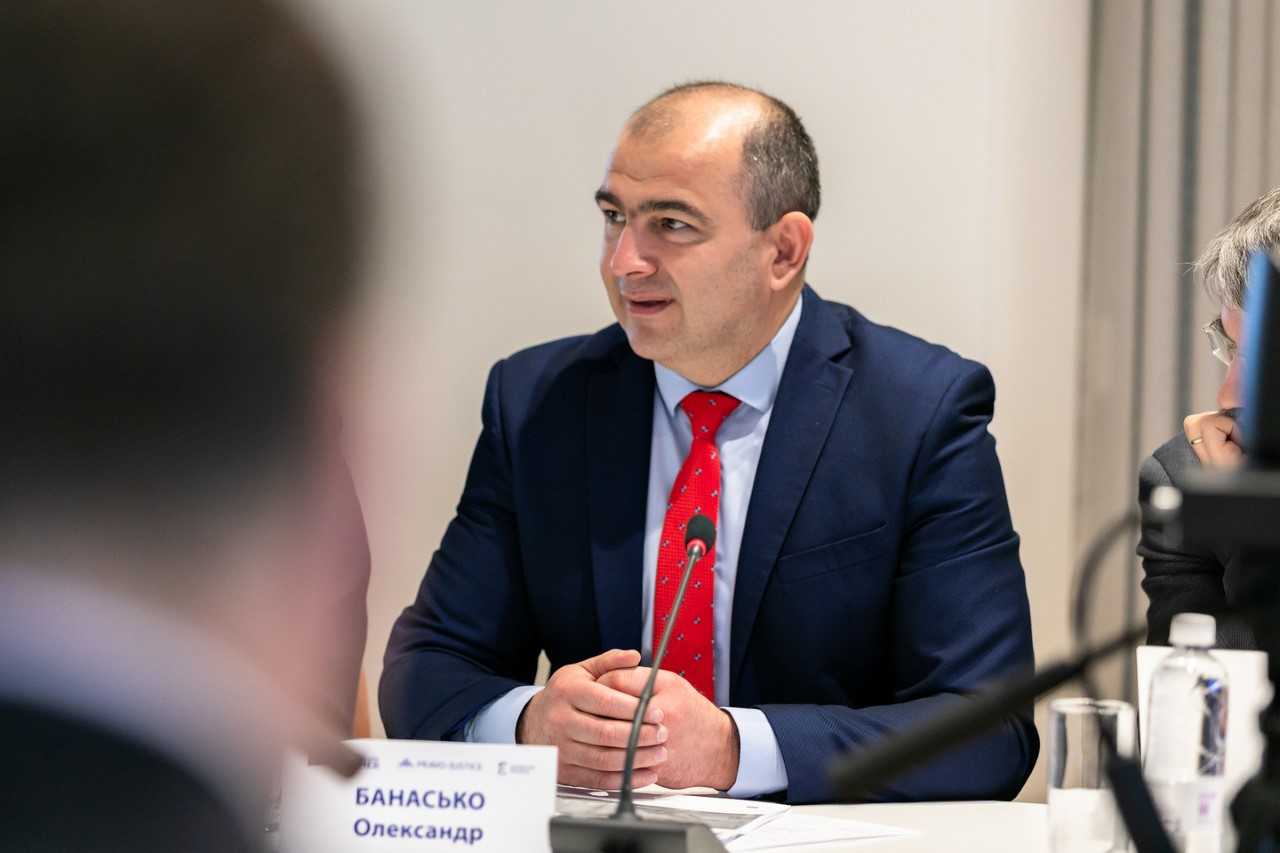
According to the judge, this report should become a desk reference for every judge — from the first instance to the cassation level. In his opinion, the reason lies not only in the fact that the issue of considering recusal and/or self-recusal motions arises regularly in the practice of every judge, but also in the fact that a judge is often required to reflect on his or her own subjective impartiality when making decisions based on the results of such motions, in compliance with national legislation and international standards. It is here that doubts most often arise: whether there are grounds for recusal, whether the lawful composition of the court will be violated, whether a violation will be found at subsequent stages of the proceedings, etc.
The judge noted that if a recusal motion was not granted, but it later became clear during appellate or cassation review that there were indeed grounds for granting it, this constitutes an unconditional ground for reversing the court decision.
The most difficult aspect in considering recusal and/or self-recusal motions, according to the judge, is to strike a balance between maintaining public trust in the court from the perspective of an objective observer and preventing the granting of unfounded recusals/self-recusals, as this may serve as grounds for holding the judge disciplinary liable.
That is why a correct understanding of the criteria for recusal has not only theoretical but very concrete practical significance. Therefore, the prepared report, which contains a structured and detailed analysis of the ECtHR’s approaches to issues related to the consideration of recusal motions, will undoubtedly be useful when examining such motions.
In conclusion, Oleksandr Banasko drew attention to the role of ECtHR case law and doctrinal approaches as a guideline for national justice in the interpretation and application of Article 6 § 1 of the Convention for the Protection of Human Rights and Fundamental Freedoms, as well as in ensuring the impartiality of the court. In particular, he focused on the evolution of the approach to the repeated participation of a judge in the hearing of a case: if initially this was considered an unconditional ground for self-recusal, the ECtHR subsequently developed clearer criteria that make it possible to avoid the automatic application of this rule.
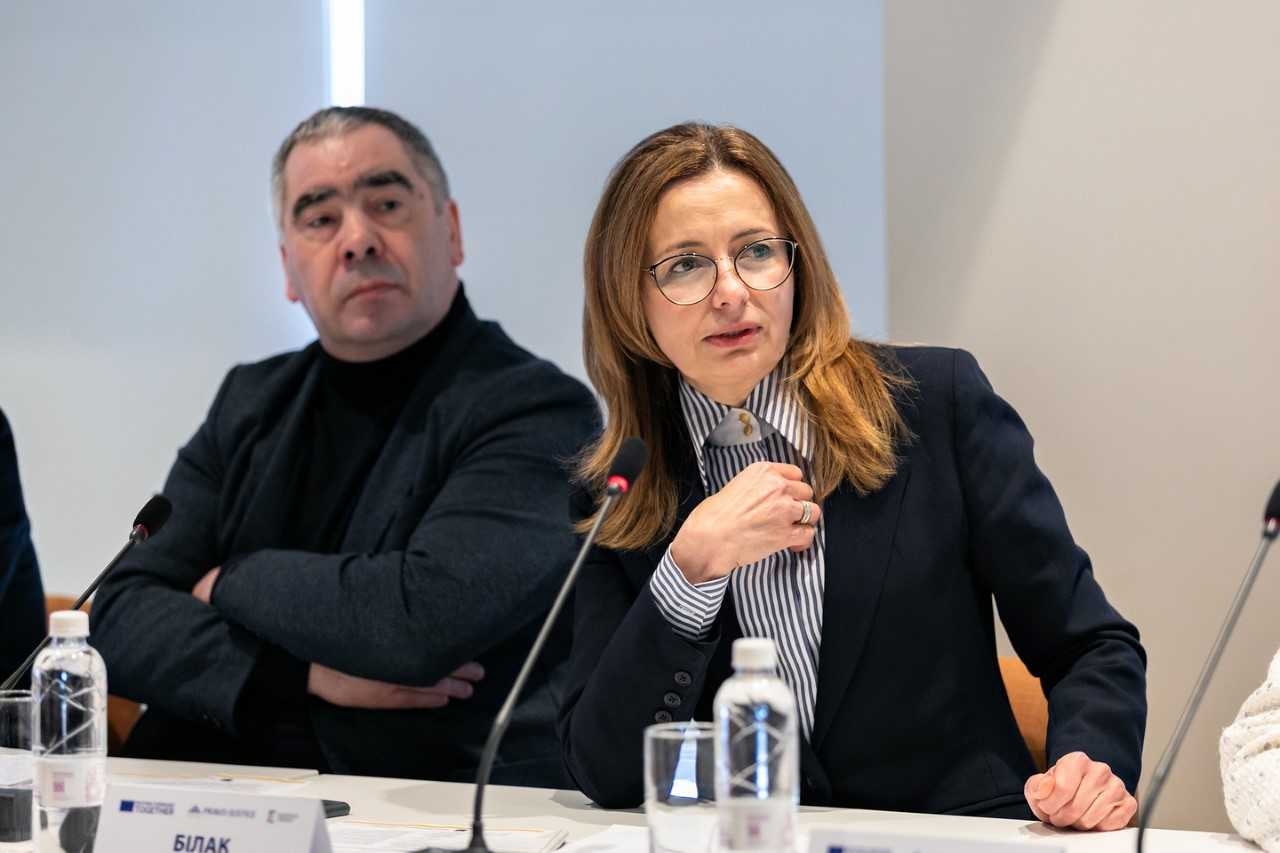
Myroslava Bilak spoke about the extreme dynamism of legal regulation under martial law. Therefore, the developments presented in the report will have important methodological significance and will become the basis for forming new approaches to the legal positions of courts regarding judge recusal.
The speaker drew attention to the so-called “small town problem” — a situation in which a judge cannot avoid interaction and communication with people with whom he or she not only lives but also cooperates. This problem also applies to situations in courts where a judge is forced to hear cases involving colleagues with whom he or she works daily in the same panels. In such conditions, on the one hand, the judge may be internally convinced of his or her ability to consider the case impartially, while on the other hand, the question arises of how this is perceived externally.
Myroslava Bilak agreed with the position set out in the report that the ECtHR does not tend to establish strict universal criteria of impartiality and emphasises the need to take into account the specific circumstances of each case. At the same time, she noted that in the case law of the Administrative Cassation Court of the Supreme Court, along with the norms of procedural legislation, the principles and criteria enshrined in Article 2 of the Code of Administrative Procedure of Ukraine are actively applied. These correlate with Article 129 of the Constitution of Ukraine and Article 6 of the Convention for the Protection of Human Rights and Fundamental Freedoms. These principles, which originate from the concept of natural justice, are universal and determine fairness for any legal procedure, including the procedure for recusing a judge.
The judge also supported the report’s recommendations on improving the procedure for considering recusals. In particular, she endorsed the proposal that, when a recusal motion is filed against one of the judges during the collegial hearing of a case, the case should not be transferred to another judge of the same court if the panel concludes that there are no grounds for granting the recusal. This aims to shorten the length of proceedings. This is especially relevant for the Administrative Cassation Court of the Supreme Court, which is unique in that it operates simultaneously as a court of first instance, appellate instance, and cassation instance. In urgent cases, particularly electoral ones, recusal motions filed in the midst of hearings can significantly delay the adoption of a decision.
The speaker also supported the recommendation in the report concerning the need to enshrine the procedure for judge recusal in the Code of Ukraine on Administrative Offences. Currently, such a procedure is absent and is applied by analogy with the Code of Criminal Procedure of Ukraine. She also backed strengthening liability for abuse of procedural rights in cases of filing unfounded recusals.
In conclusion, she expressed the conviction that public trust in the judiciary largely depends on whether court decisions are enforced. Only under this condition can every citizen be confident in the fairness and predictability of judicial protection.
The report is available at the following link: https://surl.li/atwpsv.
_03_03.png)