Contact center of the Ukrainian Judiciary 044 207-35-46
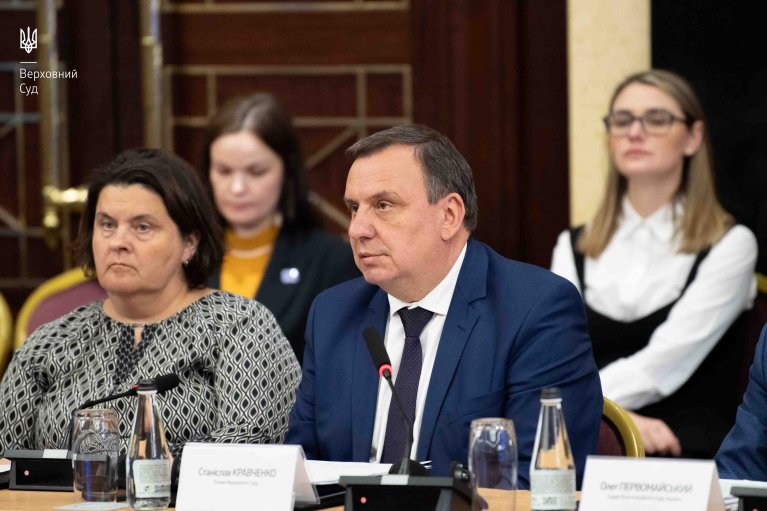
The Council of Europe has long been a reliable partner for Ukraine and the Supreme Court, particularly during the reform of the national judicial system. Support from the Council of Europe became especially vital from the outset of Russia’s full-scale invasion, when our state faced an existential threat and the Ukrainian legal community encountered unprecedented challenges and the need to adapt to wartime realities.
Thanks, among other things, to the support of international partners, the national judicial system has been able to ensure the administration of justice under martial law. This is evidenced by the number of cases handled by Ukrainian courts. In 2025, the total number of incoming cases across all courts and jurisdictions reached 5.8 million, of which 4.6 million were adjudicated.
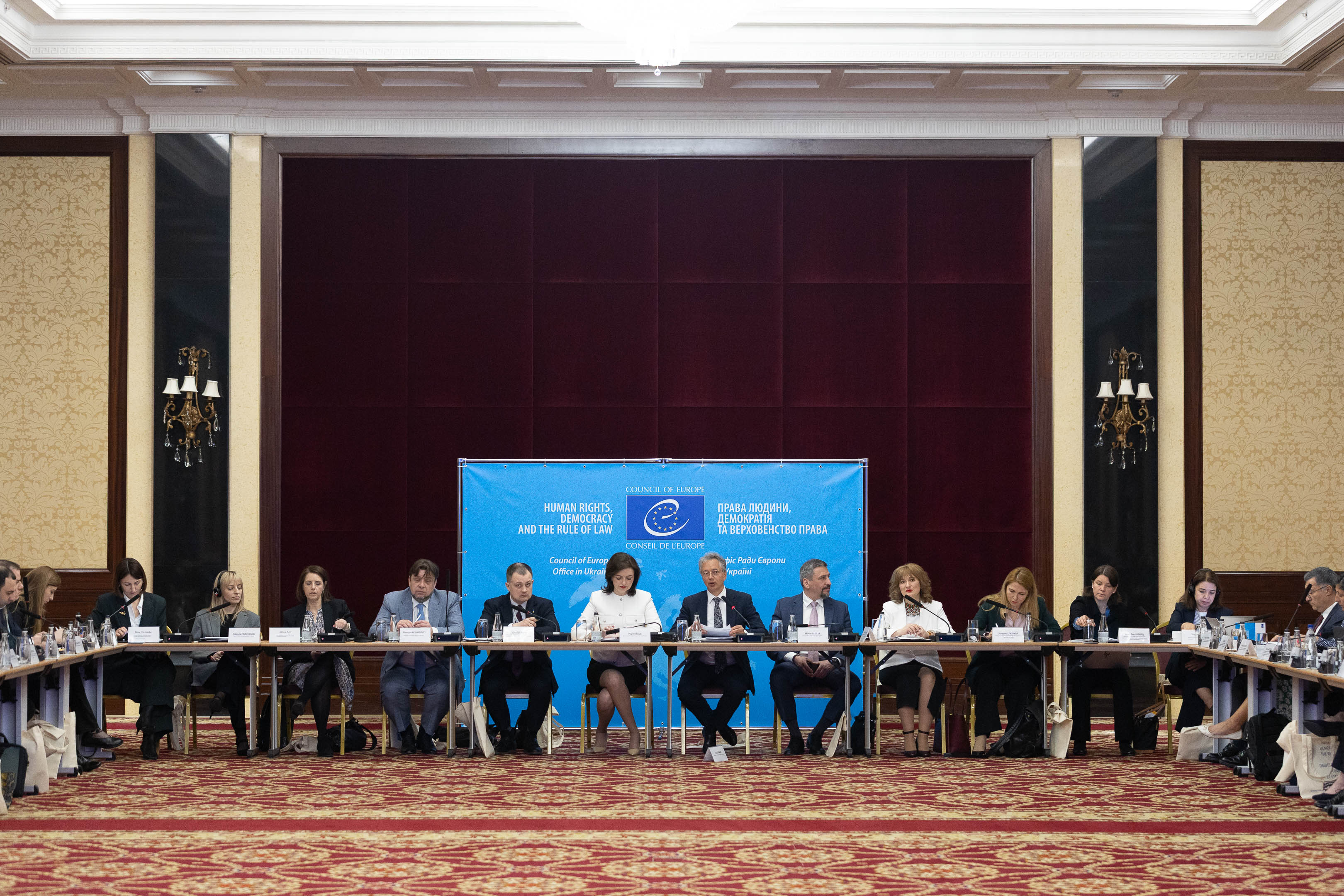
This was stated by Supreme Court President Stanislav Kravchenko during the fourth meeting of the Steering Committee for the implementation of the Council of Europe Action Plan for Ukraine “Resilience, Recovery and Reconstruction” for 2023–2026. The meeting brought together representatives of the Council of Europe, Ukrainian state authorities, and civil society organizations involved in the implementation of Council of Europe projects under this Action Plan. They discussed the results achieved, existing opportunities, and priority areas for further cooperation, including in the field of upholding the rule of law.
As Stanislav Kravchenko emphasized, no matter how difficult it is for the judicial system during the full-scale war of the Russian Federation against Ukraine, we have always understood and continue to understand that our work will be properly evaluated only when national justice meets international standards and the principles of the rule of law and human rights protection.
To achieve these goals, the Supreme Court actively analyzes the decisions of the European Court of Human Rights and promotes the dissemination of knowledge about its case law by organizing thematic seminars for judges from across Ukraine. In addition, various training formats for judges on international law and the practice of the International Criminal Court are being implemented, particularly in the context of adjudicating and qualifying war crimes, among other matters.
Regarding the deepening of the study of ECHR case law at the national level, the President of the Supreme Court recalled the launch of the Ukrainian-language version of the ECHR Knowledge Sharing Platform (KS). This step has not only improved Ukrainian legal professionals’ access to the analytical materials of the ECHR, but has also ensured a uniform understanding of the Court’s judgments and the interpretation of Convention provisions. The next step is to align judicial practices with ECHR standards and to establish further cooperation with the Court of Justice of the EU.
“Ukraine is a unique country. We have not renounced our European integration aspirations or our desire to be part of the democratic community, even when the aggressor state is doing everything possible to prevent this”, noted Stanislav Kravchenko. He added that, within the framework of the negotiation process for Ukraine’s EU membership, the Supreme Court continues to implement the measures set out in the Rule of Law Roadmap. To this end, a dedicated working group has been established at the Supreme Court to ensure the implementation of the Rule of Law Roadmap measures. The Council of Europe remains a reliable partner in these processes.
.jpg)
At the same time, systemic problems remain on the agenda. Among them is the insufficient level of objective public information about the activities of the courts and, as a result, the lack of public trust in the judicial system. With the support of the Council of Europe, surveys on the level of trust in courts / judicial power were conducted in Ukrainian courts. It is important that such periodic surveys are also provided for in the Rule of Law Roadmap to strengthen the openness, transparency, and accountability of the judicial authorities. The survey results showed that the level of trust in the courts among individuals who have participated in court proceedings and are users of judicial services is significantly higher than among those who have no such experience.
Additionally, since the beginning of Russian armed aggression in 2014, and especially after 24 February 2022, ensuring the safety of all participants in court proceedings has become a real challenge for the Ukrainian judicial system. The issue of staff shortages in the courts is also particularly acute. Despite all this, judicial institutions continue to operate and demonstrate positive dynamics, Stanislav Kravchenko assured.
In conclusion, the President of the Supreme Court thanked the Council of Europe for the implemented initiatives and expressed hope for continued cooperation, taking into account the agreed positions and the priority needs of the national judicial system.
.jpg)
_03_03.png)