Contact center of the Ukrainian Judiciary 044 207-35-46
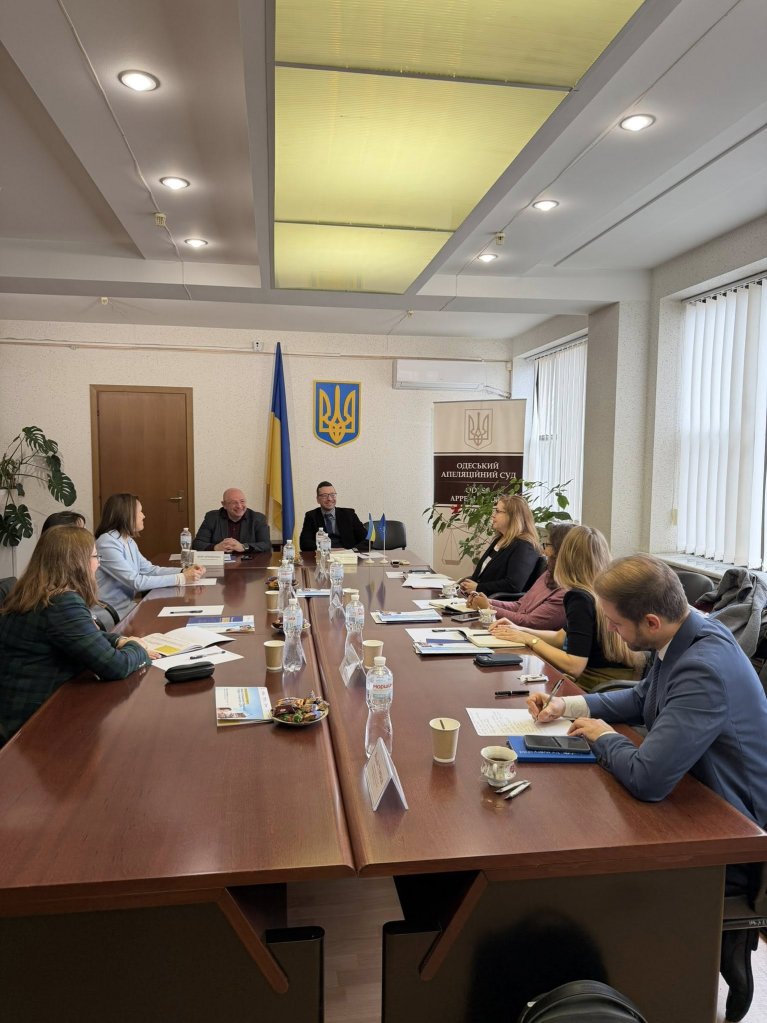
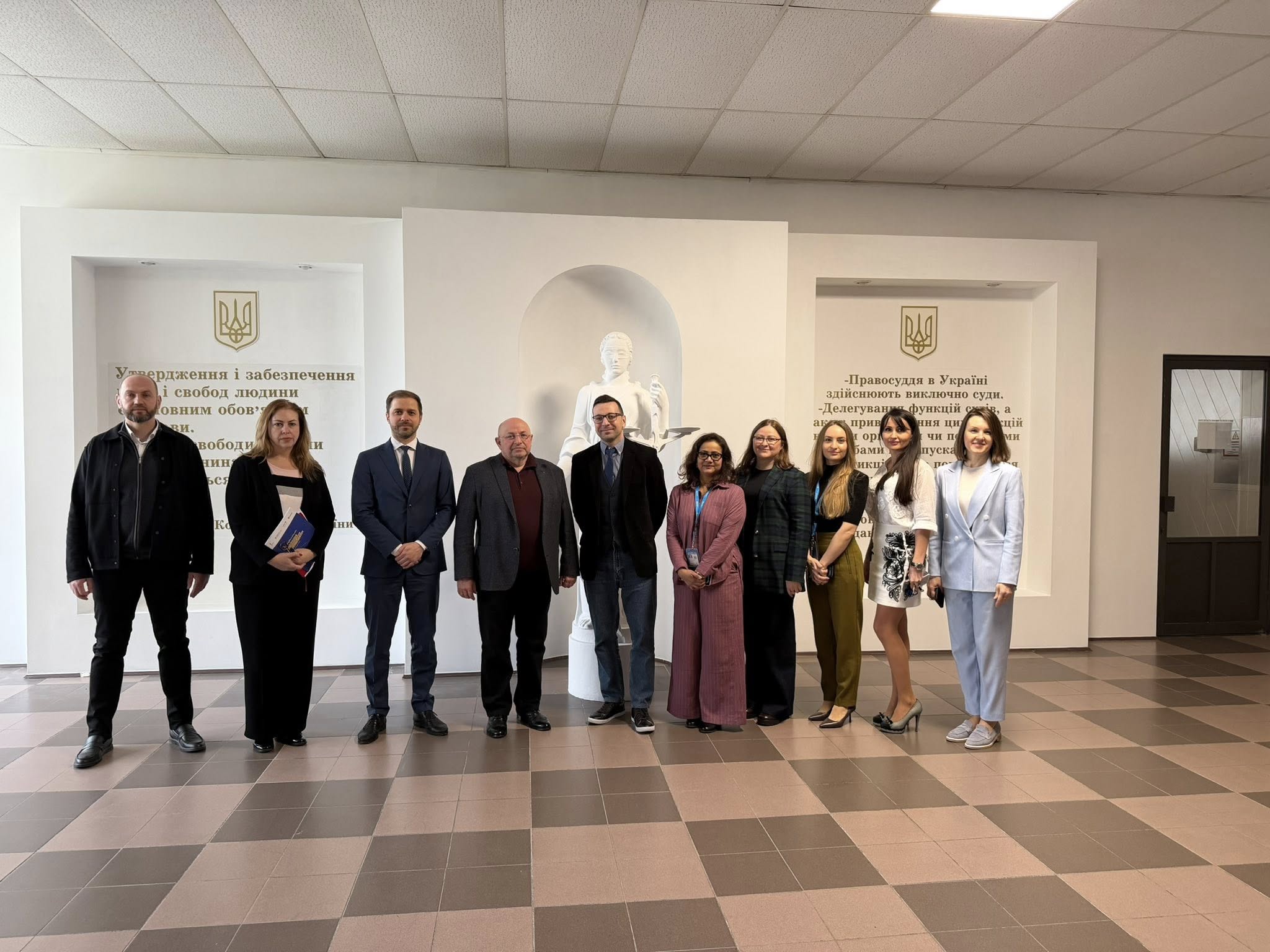
Judicial specialisation is not merely about knowledge of the law. It is about understanding a child’s psychology and the ability to create conditions in which the child can be heard. It is about decisions taken not formally, but with a profound awareness that behind every case lies the fate of a particular child. This was discussed at events held at the Odesa Court of Appeal and the Izmail City District Court of Odesa Region with the participation of Judge of the Supreme Court in the Civil Cassation Court, Pavlo Parkhomenko.
The judge joined a working meeting on the development of judicial specialisation in family and children’s cases at the Odesa Court of Appeal, where the results and prospects of implementing a pilot project on introducing the relevant specialisation in the region were discussed.
At the meeting it was emphasised that courts of appeal play a special role in shaping uniform judicial practice. It is here that the guidelines are established by which courts of first instance will be guided. The Odesa Court of Appeal confirmed its readiness to join the piloting of specialisation already at the appellate level – this could become an important precedent for the entire judicial system of Ukraine.
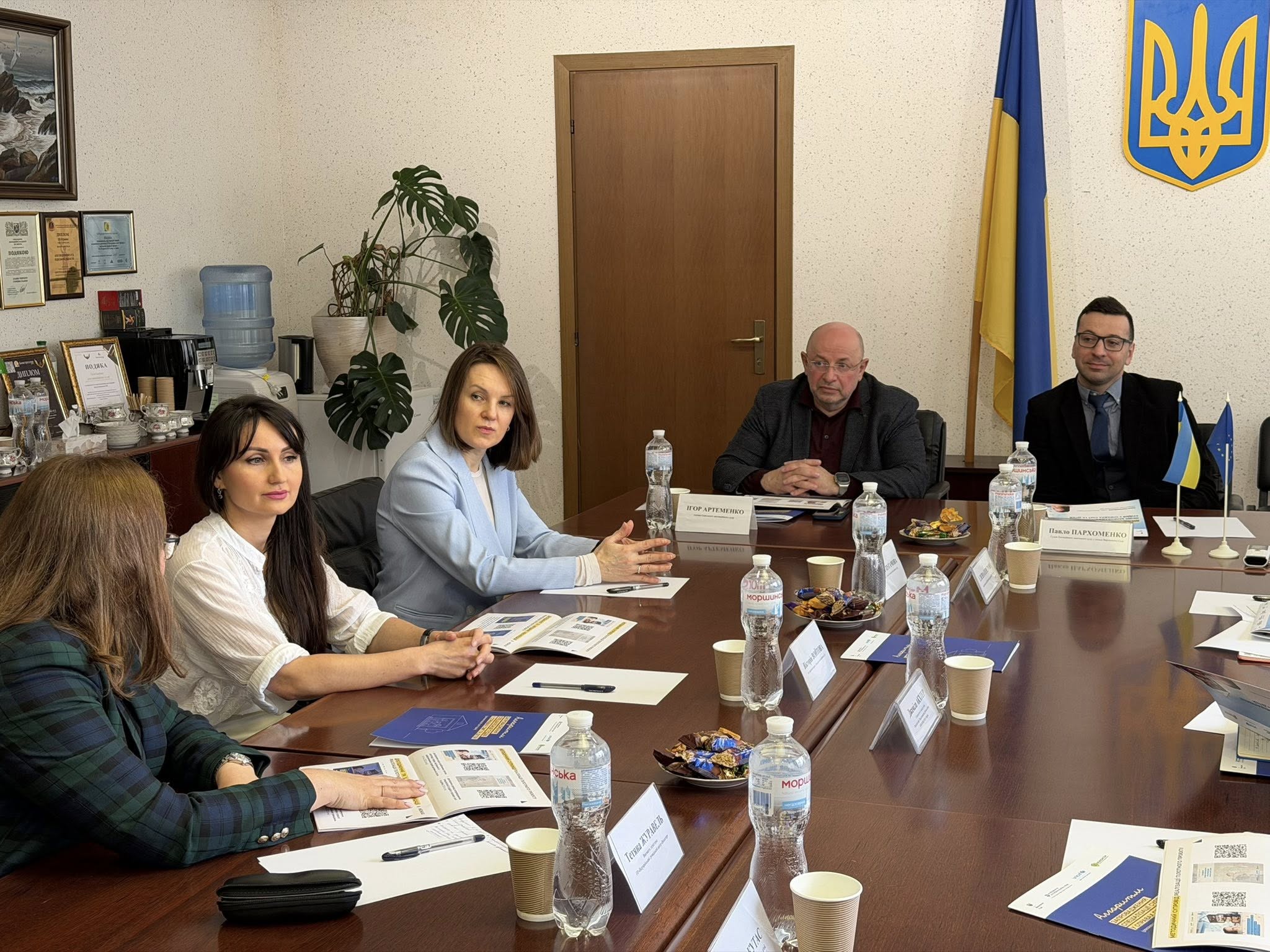
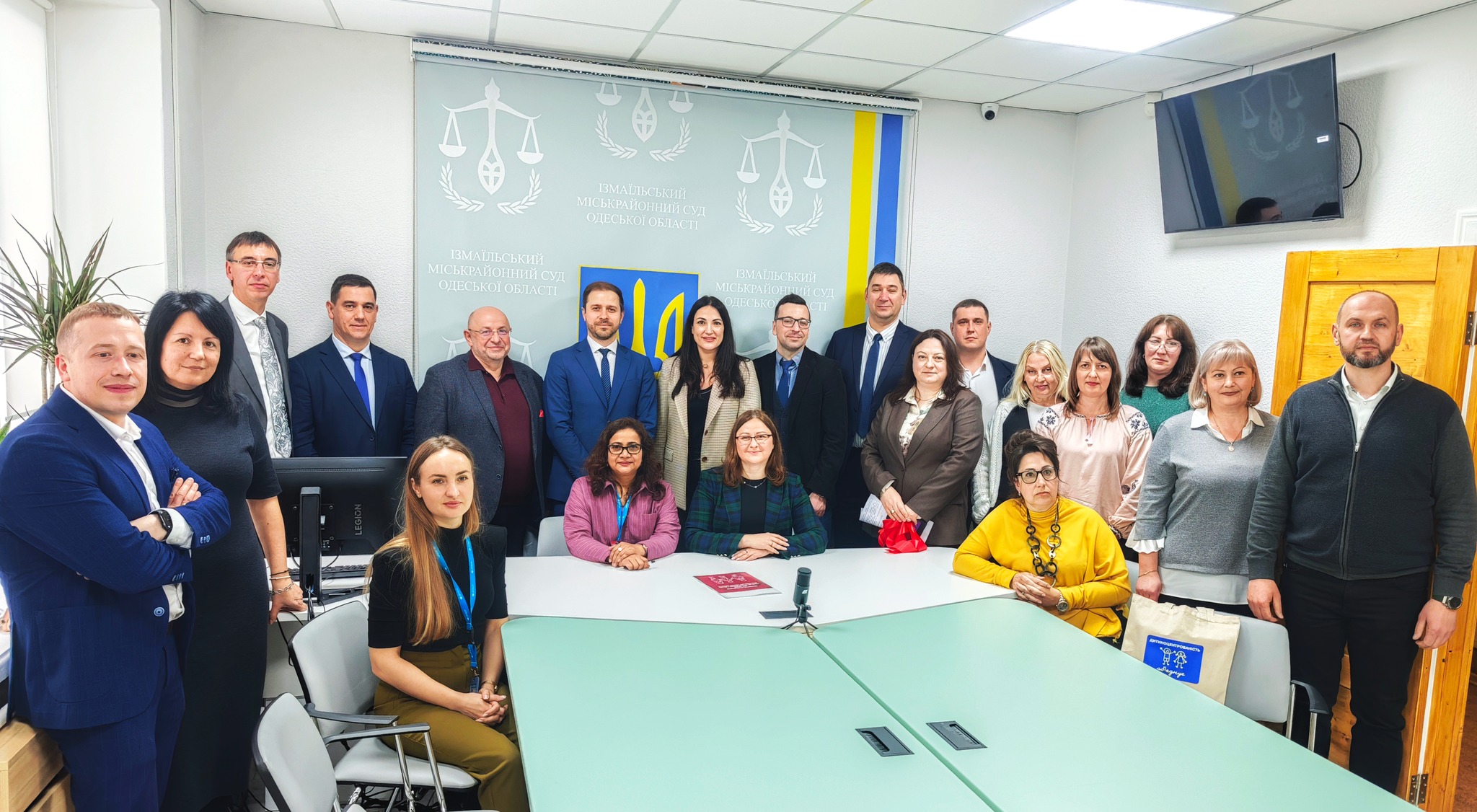
At the Izmail City District Court of Odesa Region, a working meeting was held to review the interim results of implementing the pilot project on introducing judicial specialisation in family and children’s cases.
This court is one of 11 courts in 10 regions of Ukraine participating in the pilot project. Representatives of various institutions were involved in the event: the prosecution service, the legal profession, children’s services and social service centres. This is of fundamental importance, because child-friendly justice cannot exist within the confines of a single agency alone. It requires coordinated inter-agency cooperation in which every participant understands their role and responsibility.
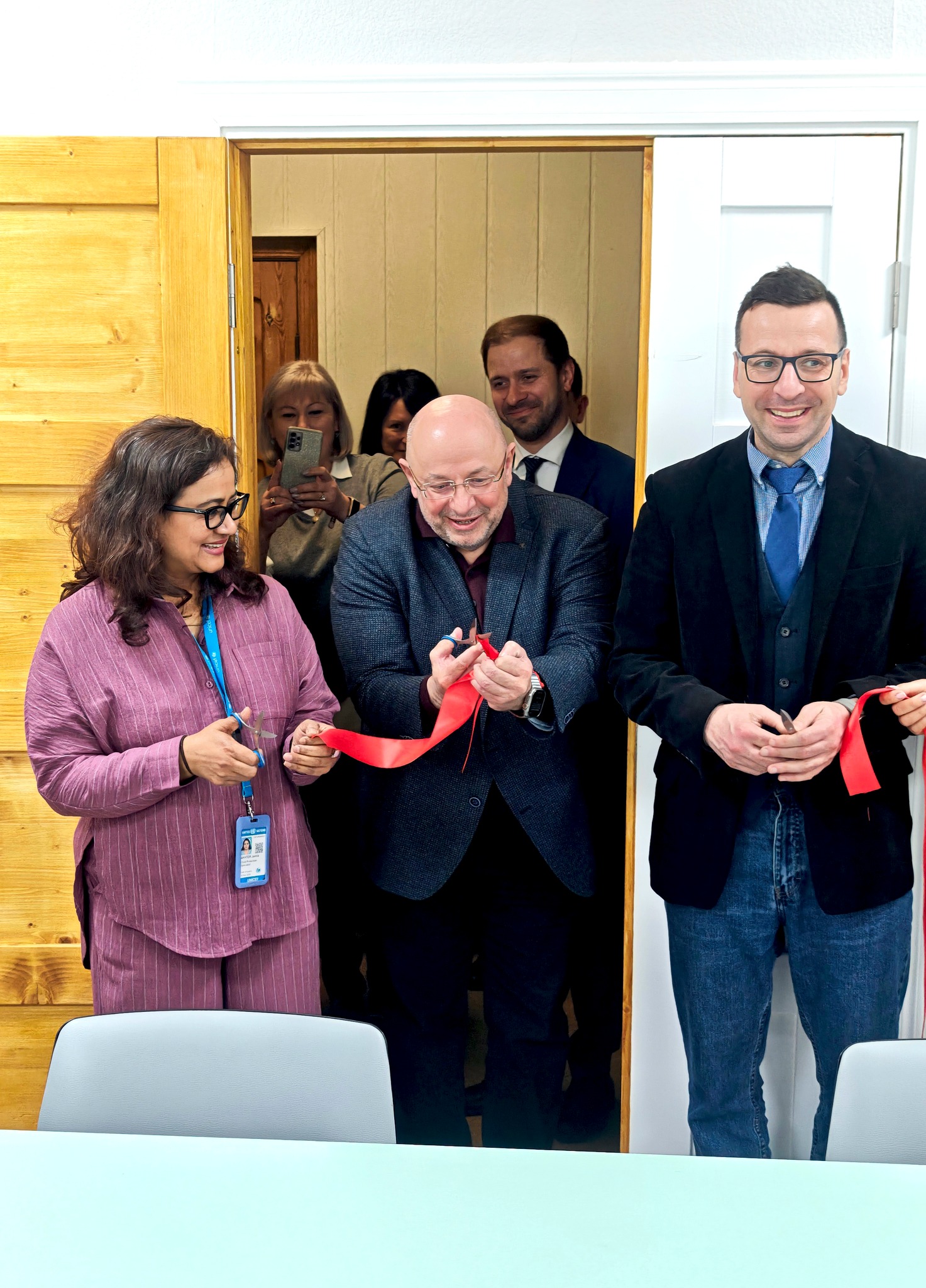
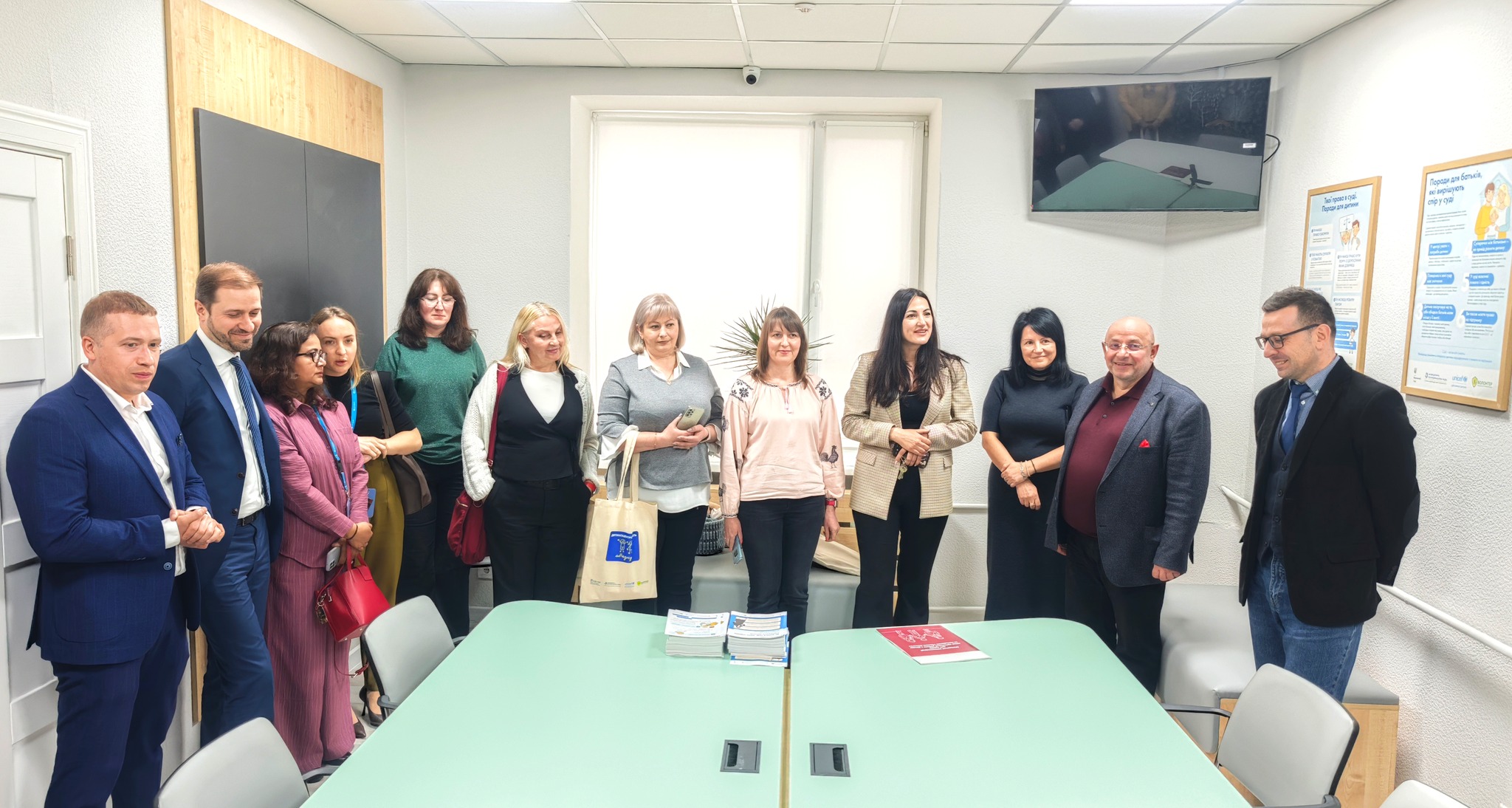
In addition, within the framework of the meeting, a specially equipped courtroom for hearing cases involving children was opened. It was noted that a child-friendly courtroom is not merely a matter of interior design. It is a philosophy embodied in physical space. A room where a child feels safe rather than intimidated. Where there is no cold formality, but instead an atmosphere that encourages open communication.
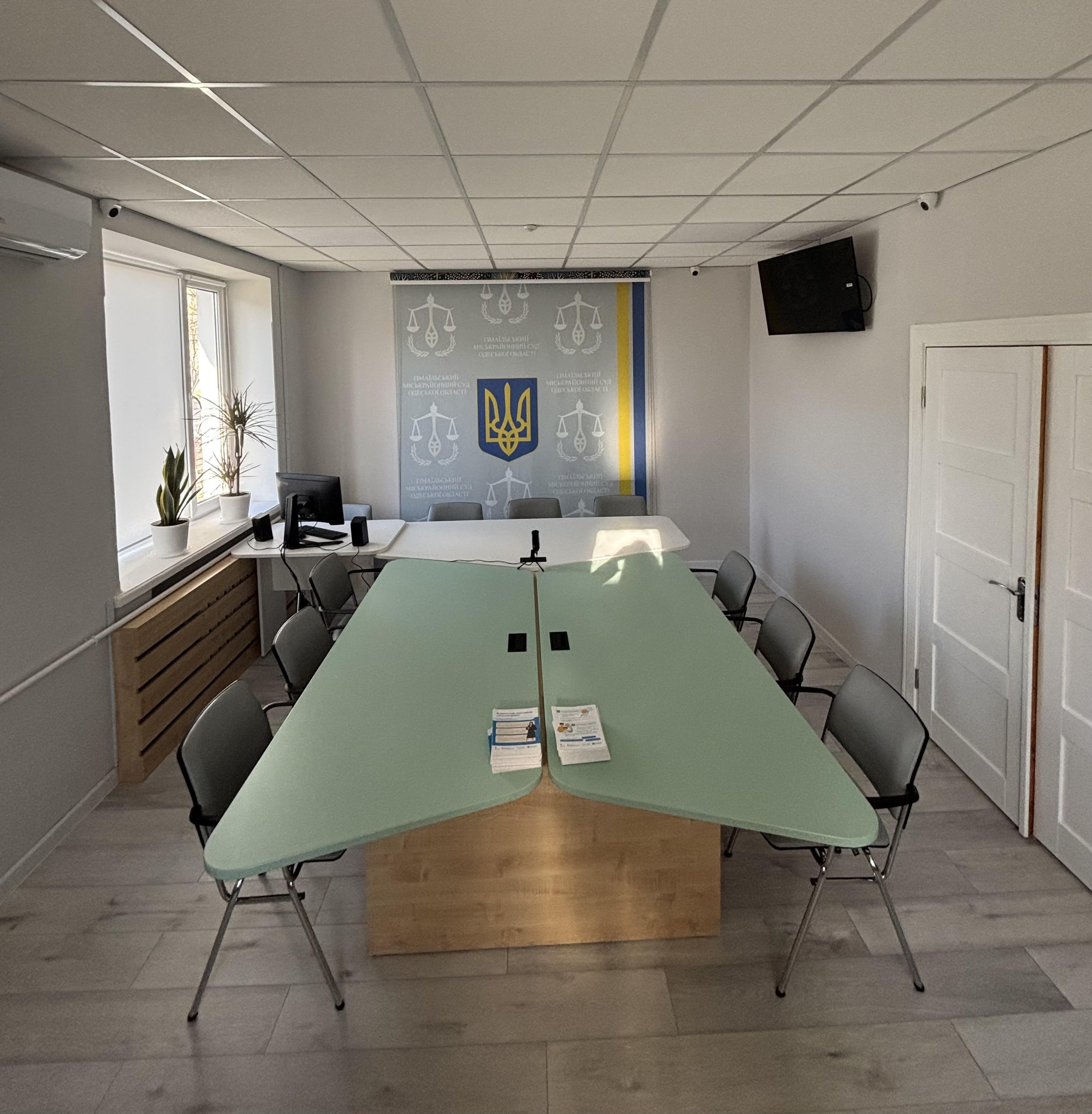
It is precisely such a space that makes it possible to:
According to Pavlo Parkhomenko, judicial specialisation, a friendly space and inter-agency cooperation are all elements of a single system that is gradually being formed in Ukraine. And the fact that this process is taking place despite all the challenges facing the country today is evidence that children’s rights remain a priority, and that child-friendly justice is not a wish-list item, but a strategic course that is supported and advanced at the highest level.
A pilot project aimed at specialising judges in family law cases is currently underway in Ukraine. The initiative was launched by the Civil Cassation Court of the Supreme Court together with the Inter-Agency Coordination Council on Juvenile Justice, with support from the UNICEF Office in Ukraine and NGO “All-Ukrainian Public Centre ‘Volunteer’”.
_03_03.png)