Contact center of the Ukrainian Judiciary 044 207-35-46
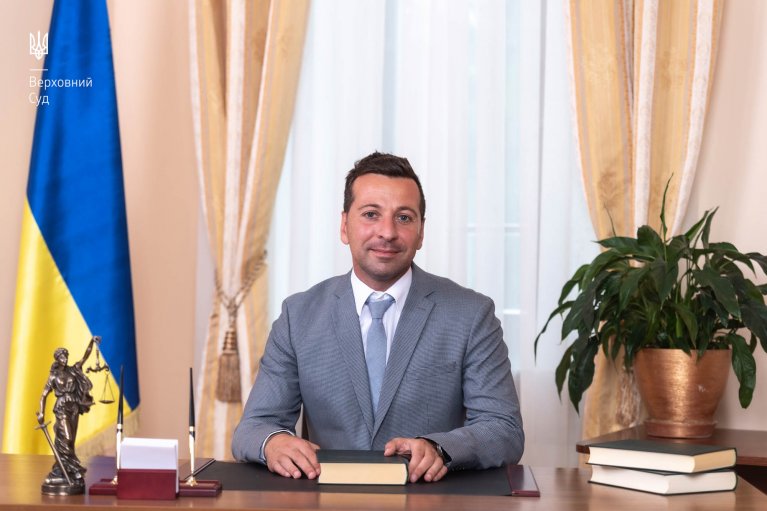
Pavlo Parkhomenko, Judge of the Supreme Court in the Civil Cassation Court, continues his work as a member of the International Association of Youth and Family Judges (AIMJF). This time, he participated in the preparation of the Association’s comparative study “Children Below the Minimum Age of Criminal Responsibility: Measures, Rights, Procedure, Participation”.
The study analyses 38 national reports on children who have not reached the minimum age of criminal responsibility, collected from members and associates. After a brief outline of the study’s objectives and some methodological considerations, relevant international and regional standards are highlighted to inform and guide the specific analysis of: 1) certain general information on age and capacity in national legislation; 2) assessment of age and capacity in the case of applying the rules of “doli incapax” and “deferred maturity”, or in the absence of birth registration; 3) the emergence, nature, and methods of police intervention and the rights of the child in this context; 4) measures applied to the child; 5) the procedure for applying these measures, the bodies involved, and the existence of alternative mechanisms or resolution procedures; 6) the emergence and nature of the child’s assessment when any measure is applied; 7) legal and procedural guarantees for the child and their rights to appeal these measures; 8) the role of the justice system, if involved in such intervention, the nature of this involvement, and the specific rights of the child in this context; 9) additional support for the child; 10) the possibility, context, and nature of the child’s participation; 11) the legal consequences of the measures taken, both regarding the child’s further participation in the justice system and the possibility and nature of victims’ involvement in this process; 12) ongoing reforms.
Pavlo Parkhomenko prepared the report on behalf of Ukraine, focusing on the peculiarities of children’s criminal liability and the measures applied to children who have not reached the age of criminal responsibility.
In his section of the study, he provided a detailed description of the current legislation. He noted that under the Criminal Code of Ukraine, the general age of criminal responsibility is 16 years, but for certain categories of crimes, criminal liability begins at 14 years. Compulsory educational measures are applied to children aged 11 to 14–16 years, while criminal proceedings against children under 11 years of age are closed.
Particular attention in the study is given to the rights of children who come into contact with the criminal justice system. Ukrainian legislation provides for the mandatory participation of a lawyer and a legal representative (parents or persons replacing them) in all procedural actions involving a child. The child has the right to confidentiality, cannot be compelled to testify against themselves, and has access to psychological assistance.
Cases involving minors are heard exclusively by specially authorized juvenile judges. Ukraine is actively implementing child-friendly interviewing methods, in particular the Barnahus model and the Green Rooms methodology. A court decision may be appealed by the child or their representatives through appellate proceedings.
Pavlo Parkhomenko also noted that within the framework of the National Strategy for the Protection of Children’s Rights in the Field of Justice until 2028 (approved by Resolution of the Cabinet of Ministers of Ukraine No. 708-р dated July 14, 2025), the state pays special attention to the introduction of restorative justice, expanding children’s access to justice, and developing unified standards for conducting procedural interviews with children. These changes are aimed at aligning national legislation and practice with international standards for the protection of children’s rights.
The final conclusions and recommendations of the study are intended to stimulate further international judicial dialogue and exchange of experience.
Ukrainian contribution to the study: https://chronicle.aimjf.info/index.php/files/en/article/view/244/177
Full AIMJF study: https://chronicle.aimjf.info/index.php/files/en
For reference. The International Association of Youth and Family Judges (AIMJF) is a non-governmental organization with consultative status at the Council of Europe, affiliated with the Council of Europe’s Department of Public Information. It was founded in 1928 and registered in Brussels (Belgium) in 1963. The Association’s global efforts are aimed at establishing links not only between judges from different countries, but also with other international associations working in the field of child and family protection. The organization promotes international research on issues related to the functioning of courts and various laws concerning youth and the family.
_03_03.png)