Contact center of the Ukrainian Judiciary 044 207-35-46
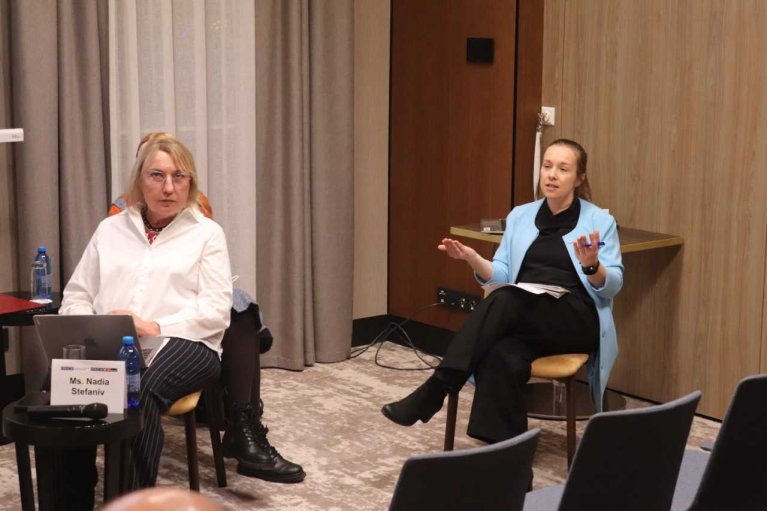
A joint project of the Supreme Court and the OSCE envisages a study of the gender dimension of judicial activity and will become one of the first steps toward implementing a gender component in court proceedings. This is important in the context of judicial reform and harmonizing national legislation with European standards.
This was announced by Nadiia Stefaniv, Judge of the Grand Chamber of the Supreme Court, during the thematic event “Rights. Justice. Action. For All Women and Girls in Ukraine”, recently held in Kyiv with the support of the OSCE.
According to her, legal reasoning that is sensitive to the principle of equality is not yet sufficiently integrated into court decisions. Judges and court staff do not always have adequate conceptual tools and training to identify and properly address hidden biases, structural discrimination, or the differentiated impact of laws and policies on women.
In Nadiia Stefaniv’s opinion, the development of relevant professional capacities will help strengthen the institutional readiness of the judicial system for inclusive justice and increase public trust in the courts.

The project includes a series of activities, in particular, research on gender-sensitive and human rights-based justice. Among the categories of cases that may have a gender-sensitive dimension, the judge named:
As Nadiia Stefaniv noted, such research will not only help identify possible hidden forms of bias in judicial practice, but also provide a better understanding of the mechanisms behind the formation of a judge’s position that may affect case outcomes.
The analysis of the gender aspect will also help assess how effectively the judicial system ensures the principle of equality of parties and whether there are differences in judges’ approaches when evaluating similar facts and evidence.
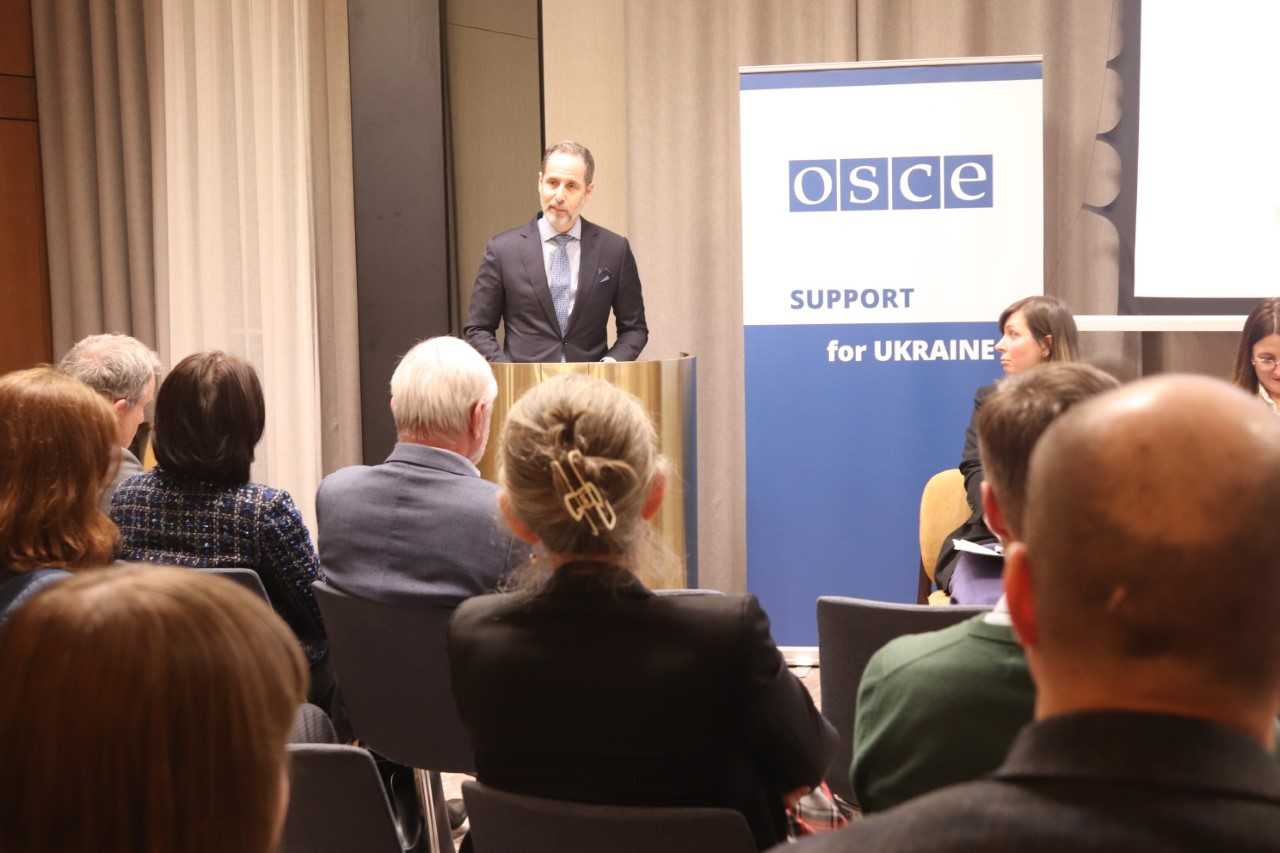
According to the judge, the subject of the study will be to determine whether gender biases exist in the administration of justice. This includes analyzing possible cases where differences in case outcomes may be linked to gender stereotypes or prejudices.
“The implementation of this methodology will make it possible to obtain an objective picture of the influence of the gender aspect on court decision-making in various areas of judicial practice and to determine whether a factor of gender bias exists when considering cases,” Nadiia Stefaniv summarized.
_03_03.png)