Contact center of the Ukrainian Judiciary 044 207-35-46
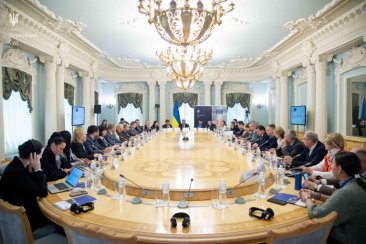
The issue of judges' well-being is extremely relevant not only for the judicial community but for society as a whole, as it is directly linked to the realization of every person's right to a fair trial.
“A judge is not an abstract function, but a person who daily makes complex decisions, deals with conflicts, human tragedies, high-profile cases, and faces significant public pressure,” noted Supreme Court President Stanislav Kravchenko during the roundtable dedicated to the presentation of Opinion No. 28 (2025) of the Consultative Council of European Judges (CCJE) titled “On the Importance of Judicial Well-Being for the Delivery of Justice”.
According to the Supreme Court President, guarantees of judicial independence have traditionally been viewed through the lens of appointment procedures, irremovability, financial security, and protection from unlawful interference. At the same time, CCJE Opinion No. 28 complements this system with an important element – the recognition that a judge’s well-being directly affects their ability to administer justice in a high-quality, impartial, and resilient manner.
The document analyzes the modern challenges facing the judiciary: increasing caseloads, the complexity of legal regulation, emotionally difficult categories of cases, political pressure, funding issues, rapid technological changes, and societal polarization.
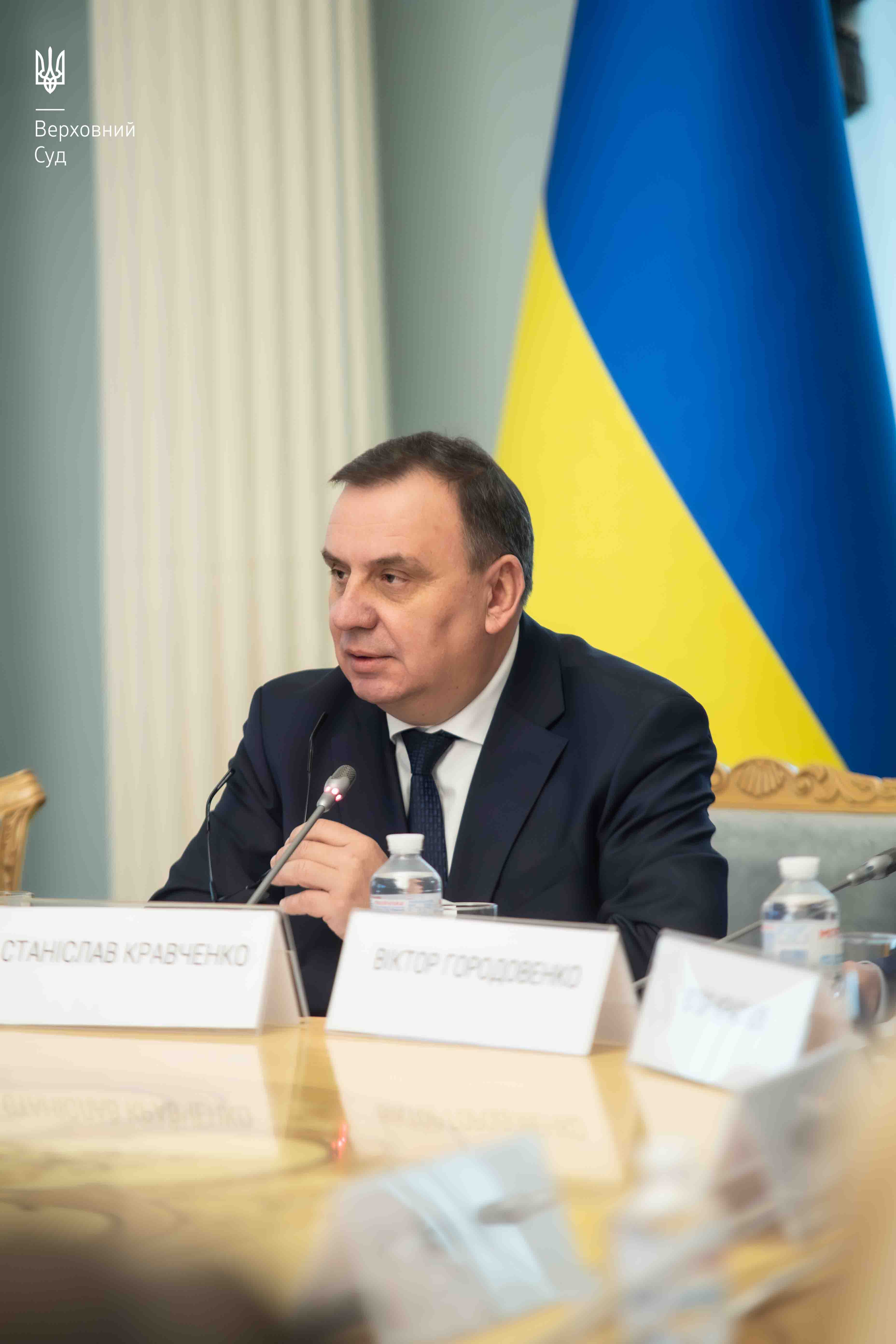
A special place in CCJE Opinion No. 28 is given to the issue of judges’ safety – it notes that threats to personal safety, including verbal insults, online harassment, intimidation, or physical violence, pose a serious risk to the independence of the judiciary.
Such manifestations, the document emphasizes, are often amplified by political polarization, disinformation, and public dissatisfaction with decisions in high-profile or socially sensitive cases. Under constant pressure, there is a real threat to a judge’s ability to make impartial decisions.
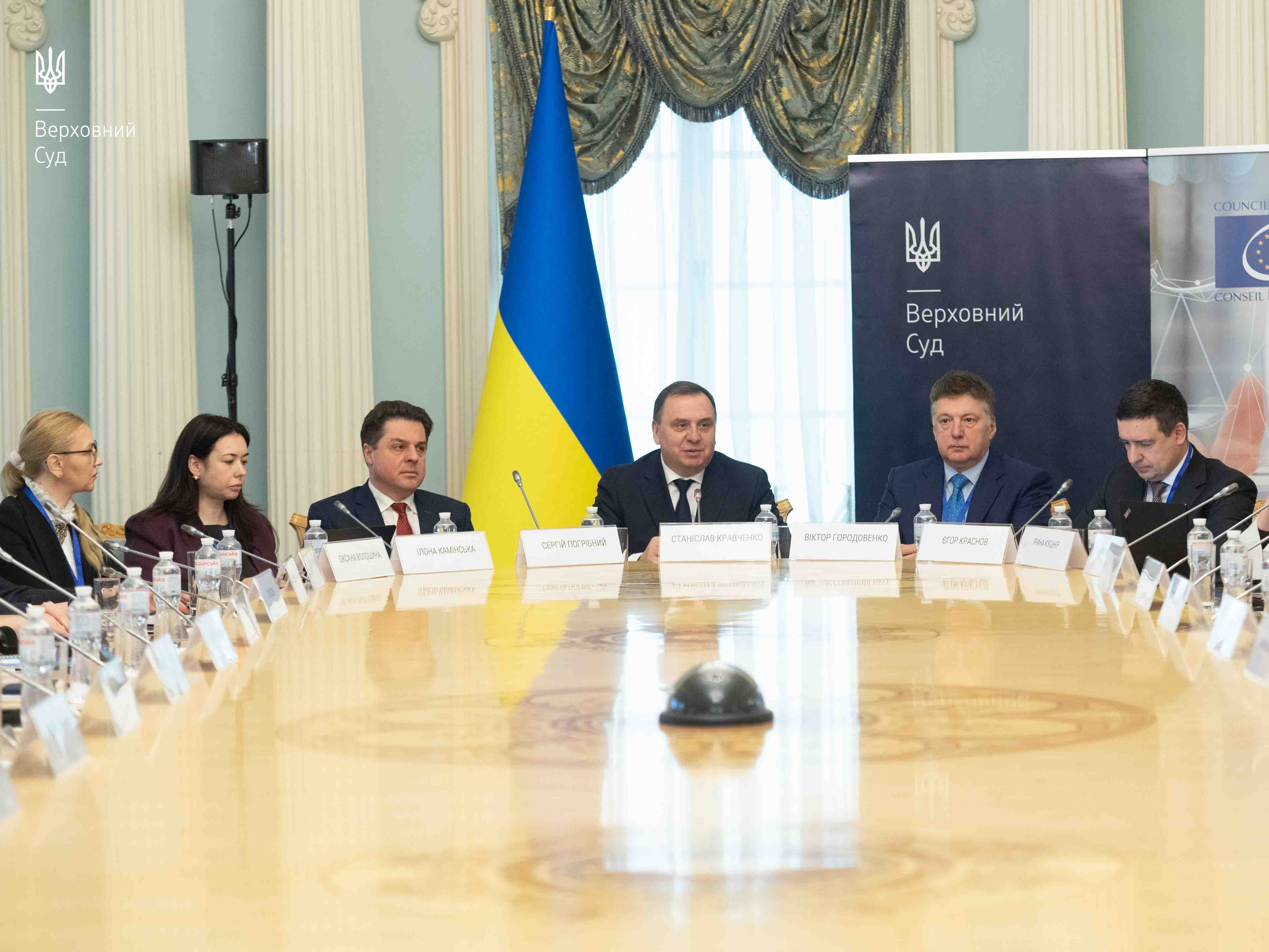
“It is not only about comfortable working conditions, but also about guarantees of a judge’s internal freedom,” stressed Stanislav Kravchenko, adding that in the context of combining professional workload with personal challenges during wartime, the issue of the judiciary’s resilience takes on strategic importance.
Summing up his speech, the Supreme Court President expressed conviction that the presentation of CCJE Opinion No. 28 (2025) and the subsequent discussion will help identify practical steps that can be implemented in Ukrainian realities, taking into account European standards. He also thanked the Council of Europe and its project “Support to Ukraine in Implementation of the Council of Europe Standards on the Judiciary” for their systematic support of the Ukrainian judiciary and for facilitating this event.
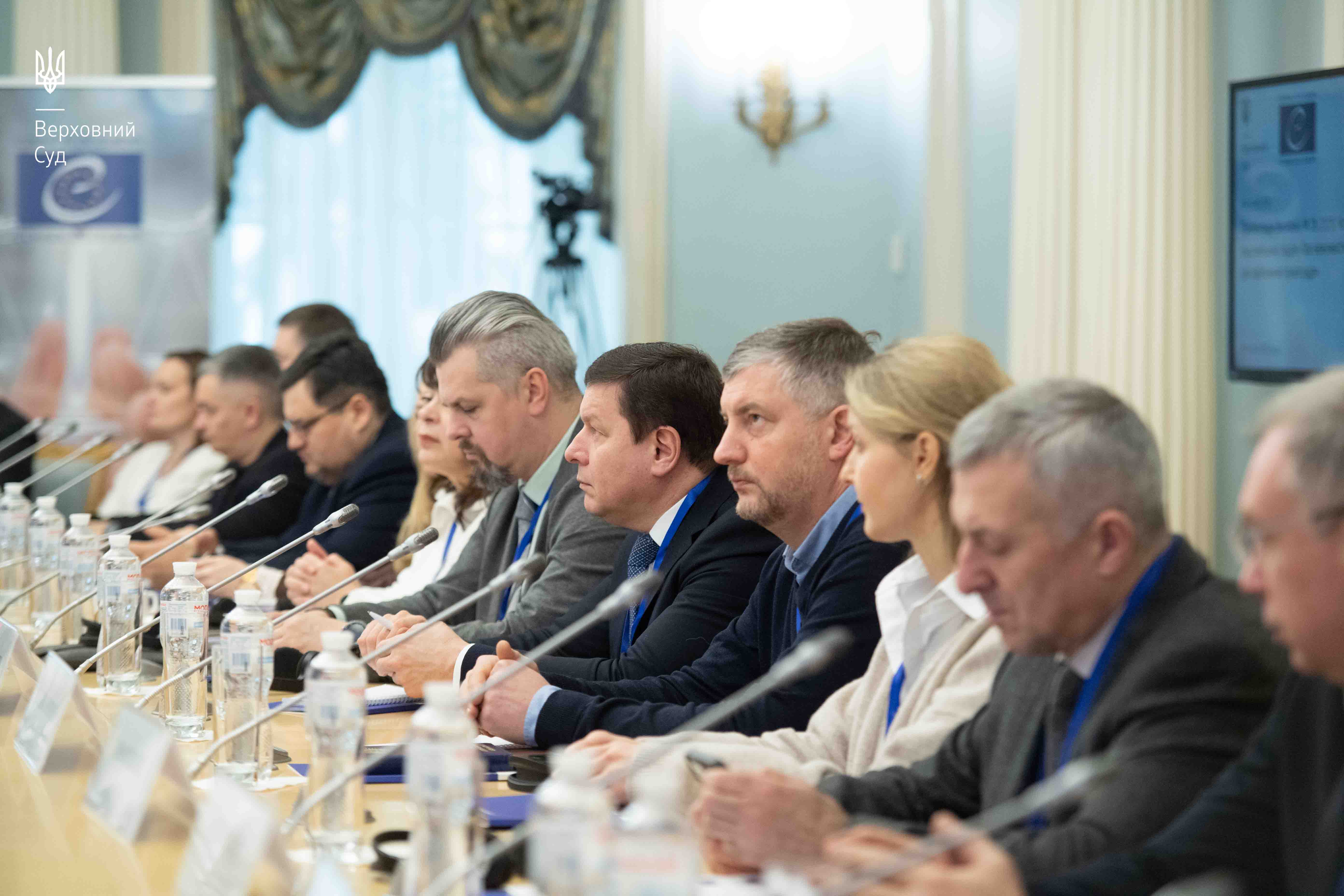
The further discussion took place with the participation of judges from the Supreme Court, the Constitutional Court of Ukraine, appellate and local courts, representatives of judicial self-governance bodies, the legislative and executive branches, scholars, and Council of Europe experts. The participants focused on the standards of judicial well-being as a component of judicial independence and on ways to implement them in national practice, taking into account current challenges.
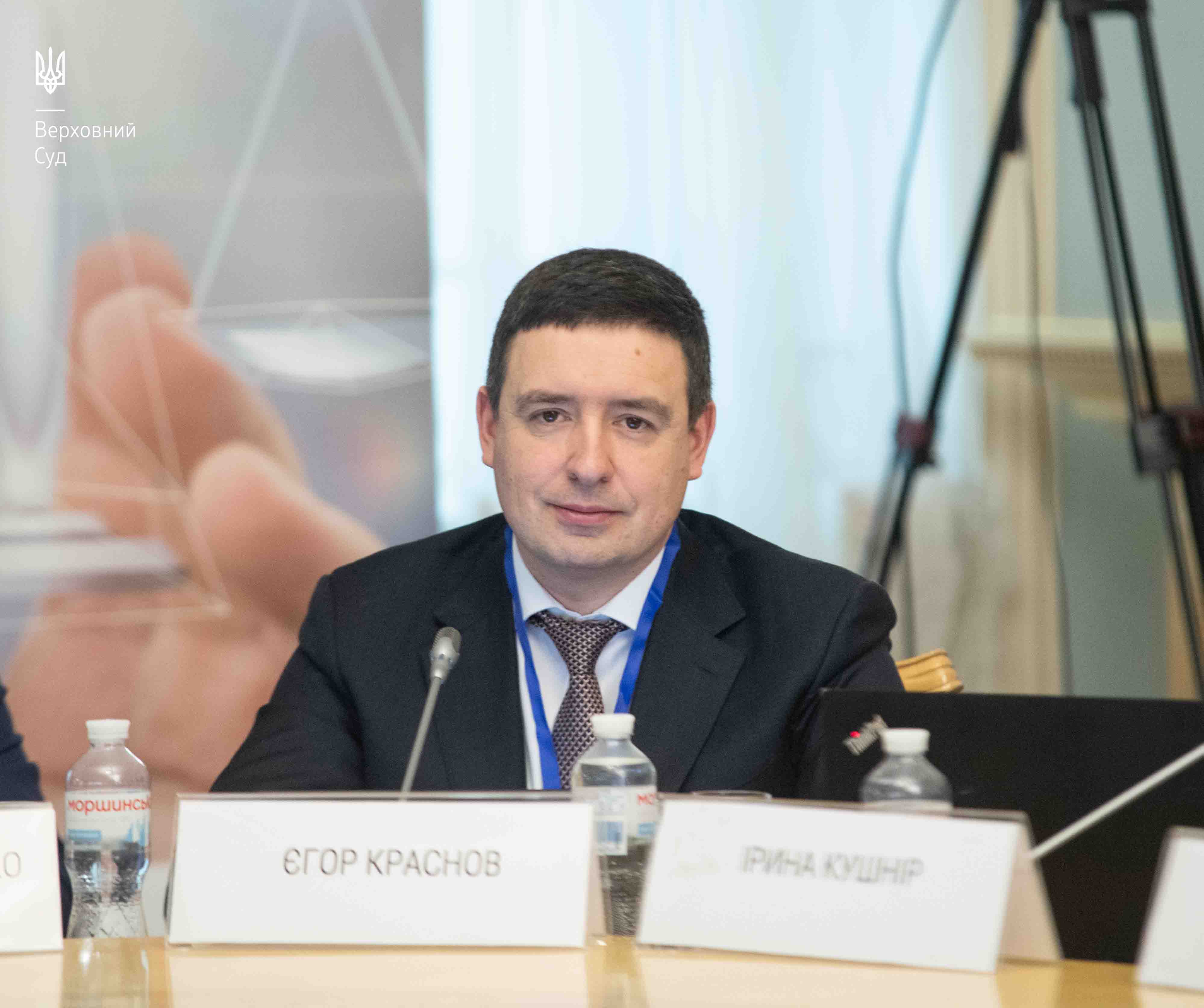
The roundtable was moderated by Supreme Court Judge in the Commercial Cassation Court, Head of the Committee of the Council of Judges of Ukraine on Compliance with Ethical Norms, Prevention of Corruption and Conflict of Interest Resolution, and Deputy Representative of Ukraine in the Consultative Council of European Judges, Yehor Krasnov. Opening the discussion, he emphasized that CCJE Opinion No. 28 for the first time systematically examines judicial well-being as an institutional prerequisite for judicial independence and the quality of justice. According to him, the presentation of this document is of particular importance for the Ukrainian judicial system amid wartime challenges and ongoing transformations.
The position of the Council of Europe on the issues raised was presented by Head of the Council of Europe Office in Ukraine Maciej Janczak. He drew attention to the CCJE Opinion on judicial well-being as one of the key prerequisites for the proper administration of justice and adherence to the principles of the rule of law.
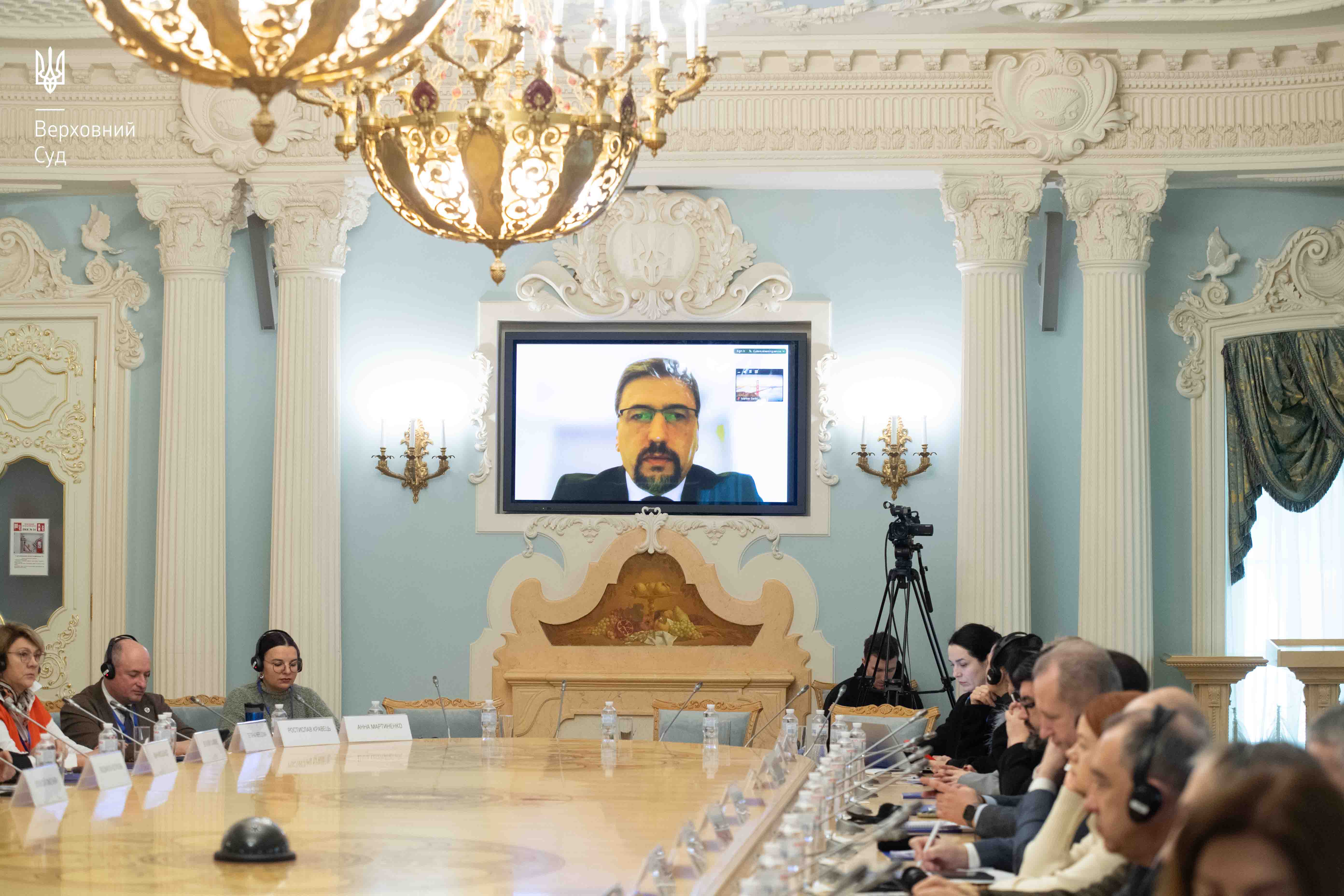
The speaker outlined the areas of support provided by Council of Europe projects, in particular regarding reducing excessive workload for judges, strengthening guarantees of judicial independence, responding to political pressure and public criticism, improving courts' interaction with the media, and ensuring adequate funding for the judicial system.
Special emphasis was placed on the importance of implementing European standards in the use of artificial intelligence in judicial proceedings and continuous professional training for judges, as well as the Council of Europe's readiness to provide expert support, including in the analysis of disciplinary practice to align it with Council of Europe standards.
Addressing the event participants, Secretary of the Consultative Council of European Judges and the Consultative Council of European Prosecutors Artashes Melikyan outlined the role of the Consultative Council of European Judges' opinions in the development of Ukraine's judicial system and noted their consistent consideration in national practice. The speaker emphasized that CCJE opinions are systematically translated, published, and integrated into the activities of judicial institutions, serving as an example of effective implementation of European standards at the national level.
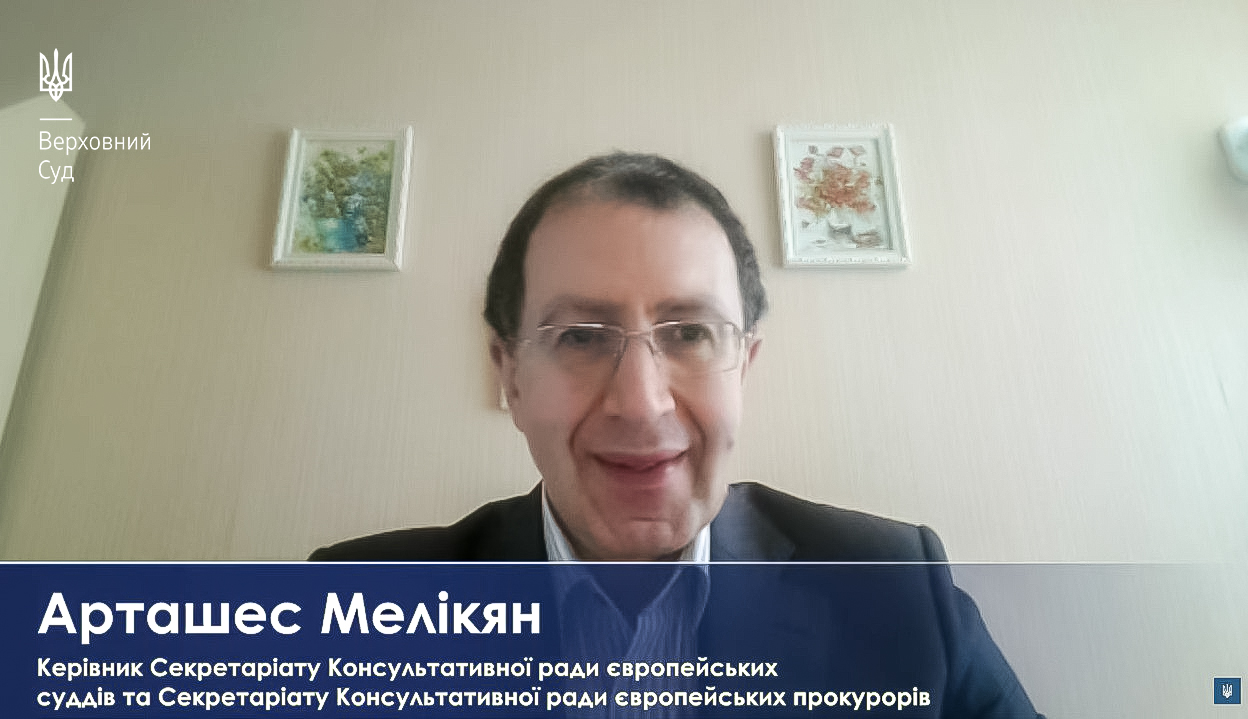
The speaker highlighted the contribution of Ukrainian judges to the work of the Consultative Council of European Judges, particularly the participation of Ukrainian representatives in the CCJE's activities and the preparation of its opinions. He specifically drew attention to the active role of Ukrainian CCJE members in shaping key positions, including during the preparation of the Opinion on the importance of judicial well-being for the administration of justice. Outlining the content of this document, the speaker stressed the need to consider judicial well-being not only at the institutional level but also at the individual level, as the proper functioning of the judicial system does not always automatically ensure the proper well-being of each judge.
During the event, Judge of the Constitutional Court of Ukraine and Ukraine's representative in the CCJE Viktor Horodovenko presented the prerequisites for the adoption of CCJE Opinion No. 28 (2025), its structure, and key provisions.
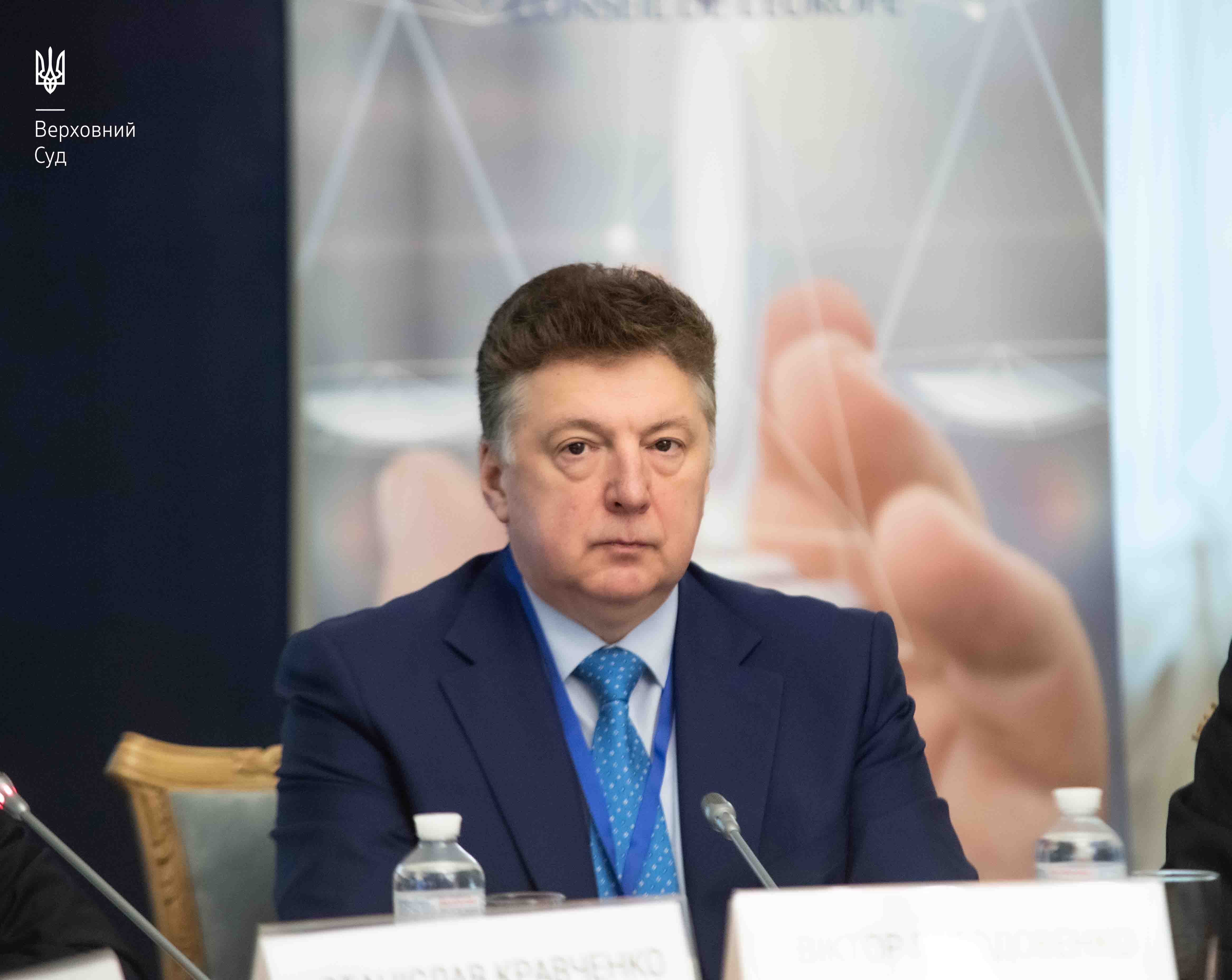
He referred to the international context of developing approaches to the issue of judicial well-being. Thus, the United Nations conducted a thorough study on the interrelationship between well-being and judicial integrity, resulting in the adoption of the Nauru Declaration on Judicial Well-Being on July 25, 2024. In the Declaration, well-being is defined as a shared responsibility of the judicial system, requiring action from both individual judges and judicial institutions.
Developing this thesis, the speaker noted that in Opinion No. 28, the Consultative Council of European Judges proposed a broader understanding of well-being – as an ongoing process that enables judges to fully perform their professional duties while maintaining an adequate level of physical and psychological health to effectively fulfill their responsibilities with independence, impartiality, and integrity.
Viktor Horodovenko paid particular attention to the challenges that directly affect judicial well-being. These include excessive workload and strict deadlines for case consideration, which create constant professional stress and impact the quality of justice; secondary exposure to traumatic material in cases, particularly those related to criminal, family, immigration law, and refugee law; staffing shortages; financial constraints; public stigmatization and pressure.
Speaking about the conditions of the full-scale armed aggression of the Russian Federation against Ukraine, Viktor Horodovenko emphasized that the Ukrainian judicial system did not cease operations even in the first days of the full-scale aggression and continued to ensure access to justice. At the same time, he noted that such conditions create additional risks to the physical safety of judges, the functioning of judicial infrastructure, and the preservation of court proceedings.
Referring to paragraphs 31–32 of CCJE Opinion No. 28, the speaker stressed the complexity of balancing national security interests with the protection of human rights. He pointed out that under martial law, a judge daily weighs these interests, ensuring the right to a fair trial even amid heightened security risks.
Viktor Horodovenko separately addressed the risks of political interference in the activities of the judiciary. He drew attention to the fact that using mechanisms of judicial reform, disciplinary procedures, or the revision of guarantees of independence as instruments of influence poses a threat to the institutional independence of justice and increases professional pressure on judges.
Within his presentation, the speaker also raised the issue of applying artificial intelligence in the judicial system. In his view, such technologies can only perform an auxiliary function and are incapable of replacing a judge. At the same time, excessive reliance on digital tools or their use to create disproportionate workload can negatively affect a judge’s professional autonomy and psycho-emotional state.
Presenting the recommendatory part of the Opinion, Viktor Horodovenko stated that ensuring judicial well-being requires actions at the individual, institutional, and state levels. He outlined the following directions: establishing well-being committees, introducing workload reduction policies, assessing psychosocial risks, preventing professional burnout, involving psychological support specialists, and monitoring physical and digital threats to judges’ safety.
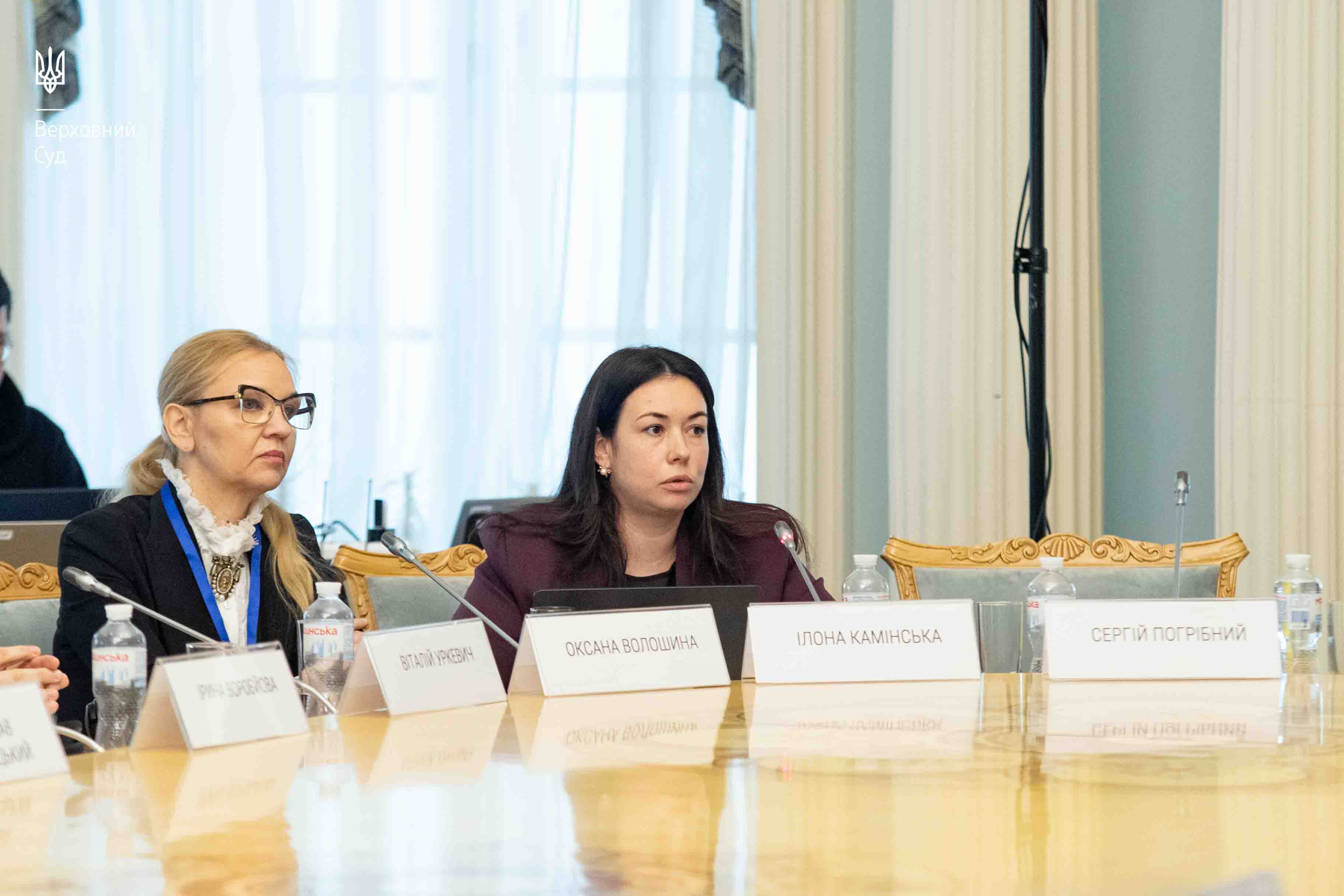
In the context of discussing judicial well-being as a component of the administration of justice, the topic “Sleep Deficiency and Judicial Exhaustion – an Invisible Threat to Justice” was presented by lawyer and member of the “Dobrosud” Legal Association Ilona Kaminska and somnotherapist, head of the public organization “Institute of Sleep Disorders and Psychotraumatic Disorders” Oksana Voloshyna.
Ilona Kaminska emphasized that the presentation covered the results of an interdisciplinary study, which for the first time focused on the connection between sleep, exhaustion, and the quality of justice. According to her, the research is not aimed at analyzing individual characteristics of judges, but at studying the conditions of their work and workload.
Statistical indicators for 2025 were presented: 5.8 million cases and materials were submitted to the courts, of which 4.6 million were considered. It was emphasized that behind every statistical figure there is a specific person working under conditions of increased stress.
Ilona Kaminska noted that the functioning of the justice system at the limits of human capacity affects not only judges themselves but also citizens whose cases are considered in conditions of chronic exhaustion. She stressed the need to adopt managerial and political decisions based on objective data in order to preserve the functioning of justice during wartime.
“Sleep is a basic biological need of a human being and a necessary condition for restoring physical and psychological resources,” Oksana Voloshyna emphasized while continuing the discussion. She explained the 8–8–8 principle (8 hours of work, 8 hours of personal time, and 8 hours of sleep) and noted that the minimum duration of sleep required for recovery is 7–8 hours, while in conditions of chronic stress it is 9–10 hours.
The speaker drew attention to the scientifically documented consequences of chronic sleep deprivation: decreased cognitive functions, impaired decision-making ability, increased risks of cardiovascular diseases, depressive conditions, and post-traumatic sleep disorders.
As she explained, the key mechanism of these disturbances is cognitive hyperactivation – a state in which the nervous system does not switch to a mode of full recovery, which directly affects a judge’s professional activity and the quality of justice.
Judges of the Supreme Court Volodymyr Pohrebniak, Oleksandr Yemets, Stanislav Holubytskyi, and Yurii Luhanskyi, as well as Andrii Zaitsev, Yevhen Petrov, Iryna Lytvynenko, Viktor Prorok, Valentyn Serdiuk, and Yevhen Synelnykov also joined the discussion.
Summarizing the discussion, Yehor Krasnov emphasized: “Today we have clearly seen that the well-being of judges is not a private matter but a component of the institutional capacity of justice and part of public trust in the judiciary”. He thanked the speakers, participants, and partners for the professional dialogue.
The event was organized by the Supreme Court jointly with the Council of Europe Office for Cooperation Programmes within the framework of the project “Support to Ukraine in Implementation of the Council of Europe Standards on the Judiciary”.
The online broadcast of the round table can be viewed on the Supreme Court’s YouTube channel: https://www.youtube.com/watch?v=gqeUQKv0aB0.
A link to the Ukrainian translation of CCJE Opinion No. 28 (2025) will be added after its publication in the near future.
_03_03.png)