Contact center of the Ukrainian Judiciary 044 207-35-46
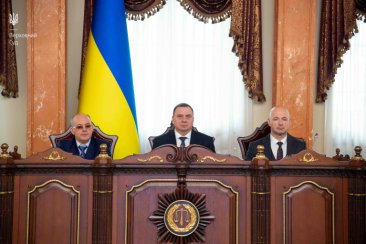
Today, 13 February 2026, a session of the Plenum of the Supreme Court took place in the format of the Opening of the Judicial Year.
Such events are traditional for European supreme courts, and adopting these practices is of significant importance in the process of European integration. Ukraine’s accession to the European community should not be accompanied merely by the formal alignment of national legislation with European law. This process must involve deeper, mental, emotional, and cultural transformations, and the adoption of such legal traditions as the opening of the legal year is one of them.
This conviction was expressed by the President of the Supreme Court, Stanislav Kravchenko, who noted that this tradition represents far more than simply bringing together representatives of various state bodies at a single event. It serves as a demonstration of unity of purpose and a platform for voicing opinions on challenges, ideas, viewpoints, and directions for development.
“We are more accustomed to speaking about the separation of powers into legislative, executive, and judicial branches. But in modern conditions, we need to place greater emphasis on the unity of power,” Stanislav Kravchenko pointed out.
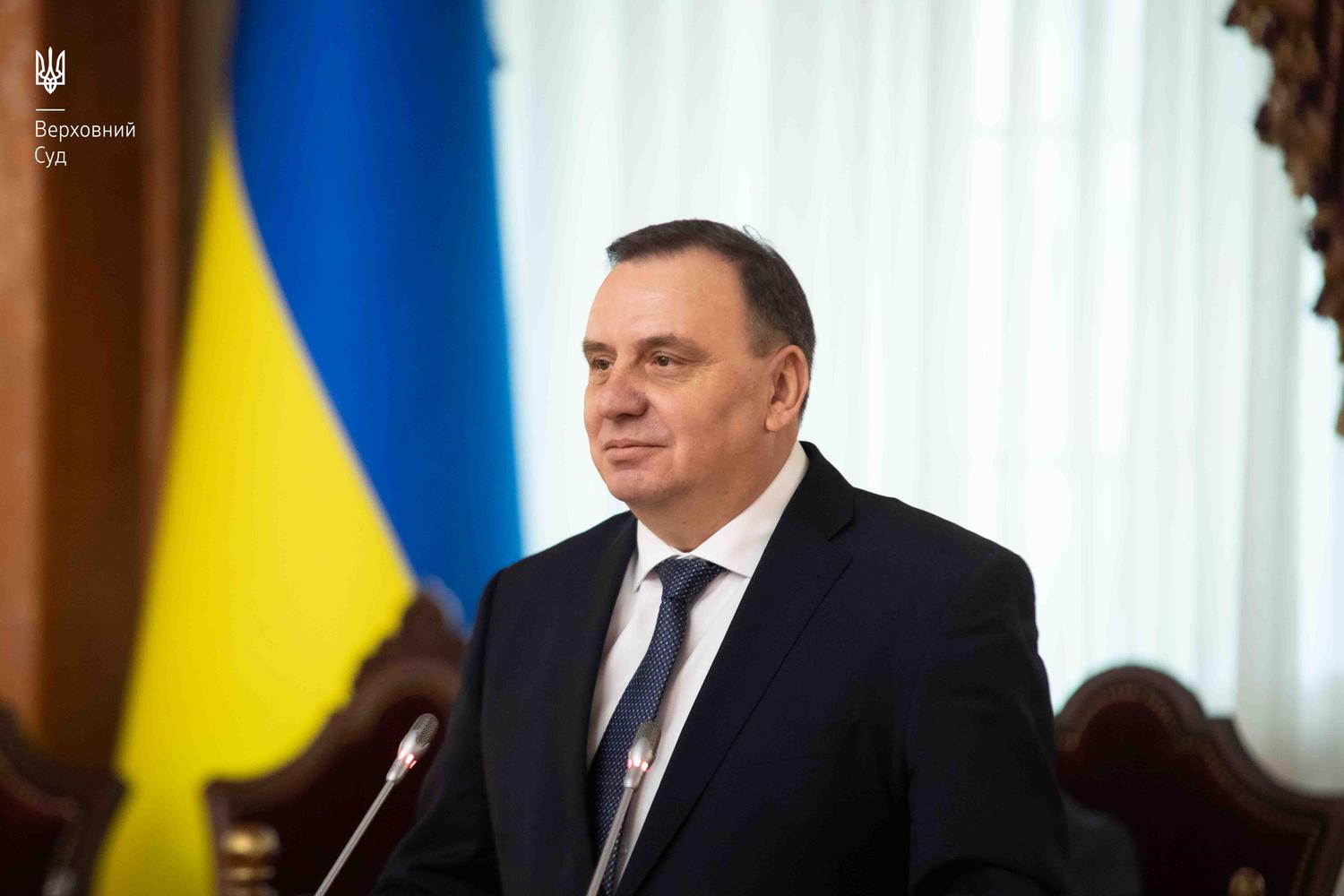
Presenting a comprehensive overview of the state of the administration of justice in Ukraine, the President of the Supreme Court highlighted that the judicial system has demonstrated its effectiveness even under the difficult conditions of martial law. This is supported by statistical data showing the stability of case consideration in a challenging time for the country.
Thus, in 2025, courts of all instances and jurisdictions had 5.8 million cases under consideration, of which 4.6 million were disposed of, compared to 5.3 million cases under consideration and 4.4 million disposed of in 2024.
In particular, 4.1 million cases were filed with courts of first instance in 2025, 716 thousand with appellate courts, and 93 thousand cases and materials were referred to the Supreme Court – a 3% increase compared to 2024. During the year, the Supreme Court disposed of 91 thousand cases and materials – 4 thousand more than in the previous year.
Overall, case disposal indicators at the Supreme Court have improved, while the volume of pending cases has remained at the level of the previous year.
Each year, in the thousands of cases considered by the panels, chambers, and joint chambers of the Supreme Court, conclusions are formulated that become binding guidelines for lower courts and are applied in relevant cases.
Last year, the Supreme Court, in cases heard by the Grand Chamber and the cassation courts, formulated a number of important legal conclusions that significantly influence the development of national judicial practice and the strengthening of legal certainty.
The Grand Chamber of the Supreme Court, in its decisions, outlined a series of fundamental legal positions aimed at ensuring the uniformity of judicial practice. These relate, in particular, to the legal regime of defence lands located within the border strip, the conditions for compensation of damage caused by certain actions of patrol police officers, the appropriate remedies for protecting the rights of PJSC "Ukrzaliznytsia" in land disputes, and the disposal of political parties' property not for the performance of statutory tasks.
In the practice of the cassation courts, approaches have been established regarding the protection of social rights of military personnel and former police officers, the application of tax legislation under martial law, the legal consequences of property being located in temporarily occupied territories, appeals against decisions of state regulatory bodies, the protection of rights of participants in corporate relations and bona fide acquirers, the determination of the limits of criticism in the media concerning public figures, as well as the establishment of the boundaries of criminal liability for collaborative activities and evasion of mobilisation.
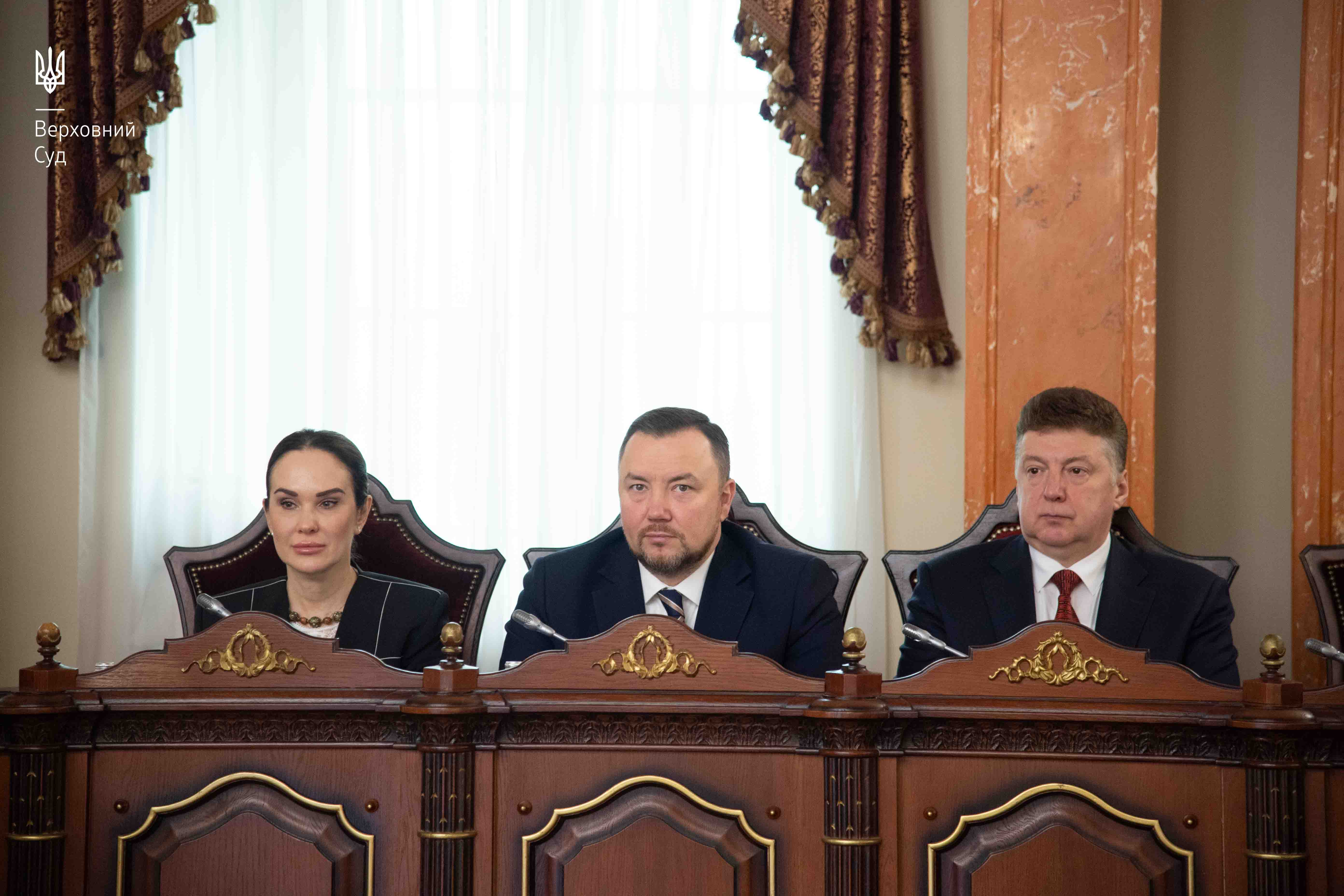
At the same time, in order for the Supreme Court to effectively perform its function as a court of law, the caseload should be at least halved. To achieve this, according to Stanislav Kravchenko, it is necessary to strengthen cassation filters, make wider use of written proceedings, and improve the mechanisms for model cases as a tool for forming uniform case law.
Highlighting the key achievements of the Supreme Court over the past year, the President of the Supreme Court emphasised active cooperation with the European Court of Human Rights, which resulted, among other things, in the presentation of a Ukrainian-language version of the ECHR Knowledge-Sharing Platform.
Furthermore, in 2025, the Supreme Court used the mechanism of Protocol No. 16 to the Convention for the Protection of Human Rights and Fundamental Freedoms for the first time in its history, initiating a direct advisory dialogue with the ECHR.
Thus, during the year, the Supreme Court submitted two requests to the ECHR for advisory opinions, demonstrating a new level of interaction between the national judicial system and the ECHR. This format of dialogue is aimed at ensuring consistent interpretation of the Convention, improving the quality of judicial decisions, and more effective protection of human rights at the national level.
During his speech, Stanislav Kravchenko also outlined a number of critical challenges facing the judicial system, emphasising that not all problems can be resolved solely through judicial practice. That is why high-quality and carefully considered legislative activity remains an extremely important component of the development of the justice system.
In this context, the President of the Supreme Court expressed gratitude to Denys Maslov, Chairman of the Verkhovna Rada Committee on Legal Policy, as well as to the chairs of other parliamentary committees and people's deputies of Ukraine for their constructive cooperation on the necessary legislative changes in the field of justice.
Summing up his address, Stanislav Kravchenko stressed that the judicial power of Ukraine today operates under unprecedented challenges, yet it demonstrates institutional resilience, high professionalism, and the capacity for further development.
“I hope that this year’s Opening of the Judicial Year will become not only a new format for a traditional event, but also a symbol of the unity of all branches of power, a reflection of our joint efforts in developing a European judicial system and in upholding the rule of law in Ukraine,” the President of the Supreme Court concluded.
The full text of the speech by the President of the Supreme Court is available on the modern law portal Supreme Observer at: https://so.supreme.court.gov.ua/news/1974/address-by-stanislav-kravchenko-president-of-the-supreme-court-on-the-occasion-of-the-judicial-year-opening.
.jpg)
Information on the activities of the Grand Chamber of the Supreme Court in 2025 was presented by the Secretary of the Grand Chamber of the Supreme Court, Serhii Pohribnyi. He assured that both the Grand Chamber and the Supreme Court as a whole continue to fulfil their key constitutional function – ensuring the uniformity of judicial practice and the stability of law application in Ukraine amid Russia’s full-scale armed aggression and the exhausting war waged by the Russian Federation against our state.
In 2025, 864 new procedural applications were received and referred to the Grand Chamber of the Supreme Court – a 32% increase compared to the previous year. Together with the carry-over from the beginning of 2025, more than one thousand procedural applications were under consideration by the SC Grand Chamber during the year. This figure represents a 28% increase compared to the previous period. “These numbers reflect not only the rise in the number of applications, but also the consistently high level of trust in the Grand Chamber as the body capable of providing a final answer to the most complex legal issues,” Serhii Pohribnyi added.
According to him, the largest share of incoming cases traditionally related to administrative jurisdiction – 529 new applications in administrative cases, accounting for 61% of the total inflow. Civil cases made up 18% of incoming applications, criminal proceedings 14%, and commercial cases 7%.
In total, during 2025 the Grand Chamber of the Supreme Court considered 693 procedural applications. This represents an 8% increase compared to 2024. Over the same period, 320 cases were examined on the merits, which is 19% more than the previous year.
There is also a clear trend towards a change in the number of referred cases: last year, cassation courts referred only 112 cases to the Grand Chamber for consideration – a decrease of 31% compared to the year before last.
As explained by the Secretary of the Grand Chamber of the Supreme Court, the most voluminous area remains the appellate review of administrative cases. Thus, in 2025, 343 appellate complaints in administrative cases were received by the SC Grand Chamber (48% more than in 2024), accounting for 40% of all incoming applications to the Grand Chamber during the reporting period. Of these, 224 complaints were considered on the merits – an increase of 48% compared to the previous period.
Serhii Pohribnyi separately drew attention to the results of the Grand Chamber’s activities in priority sub-categories of cases. In particular, during 2025, 29 appellate complaints in cases concerning the application of sanctions were considered on the merits. Likewise, out of 56 disciplinary complaints against decisions of the High Council of Justice received during the year, 29 were examined. In addition, last year four model cases were under consideration by the SC Grand Chamber, two of which were decided on the merits. On grounds of the need to review judicial decisions under exceptional circumstances, consideration was completed in respect of 62 out of 84 applications received in 2025.
Regarding the most important legal conclusions adopted by the Grand Chamber of the Supreme Court in 2025, Serhii Pohribnyi emphasised that the relevant decisions have strengthened the stability of law application in key areas of social relations. For example, in land disputes, an effective remedy has been established in cases of partial overlap of a privately owned land plot with the railway right-of-way, and the limits of a prosecutor’s powers to represent the interests of the National Academy of Sciences of Ukraine and branch academies of sciences in land disputes have been defined. In contractual legal relations, the time limits for recovering inflationary losses at 3% per annum during the quarantine and martial law periods have been clarified.
In property disputes, it has been established that the disposal of a political party’s property for purposes other than the performance of its statutory tasks and activities, where such disposal harms national security, violates public order. It has also been determined that the running of the five-year period for the use of a trade mark is not affected by a change of owner, and that when terminating, at the request of one co-owner, his or her right to a share in jointly owned property that constitutes a dwelling, the court is obliged to assess the real ability of the other co-owner to pay compensation without depriving them of their only home.
In disputes concerning state registration, the proper composition of defendants in cases seeking the cancellation of orders of the Ministry of Justice has been determined. In labour relations, the possibility of a reasonable reduction in compensation for delayed final payments upon dismissal after 19 July 2022 has been confirmed, along with a limitation to a six-month period. In the field of public procurement, it has been established that any overall increase in the price of goods when amending a contract cannot exceed 10% of the initial price. In tax legal relations, the one-month period for appealing tax notifications-decisions following the administrative appeal procedure has been reaffirmed.
“The Grand Chamber of the Supreme Court remains a reliable guarantor of the uniformity of judicial practice. We have every reason to look to 2026 with optimism in view of the increase in the number of cases decided on the merits, the strengthening of the substantiation for referring cases to the SC Grand Chamber in cassation proceedings, a substantial rise in the number of appellate complaints examined, and the consistent formation of well-considered legal positions. All of this creates a solid foundation for further work,” Serhii Pohribnyi concluded.
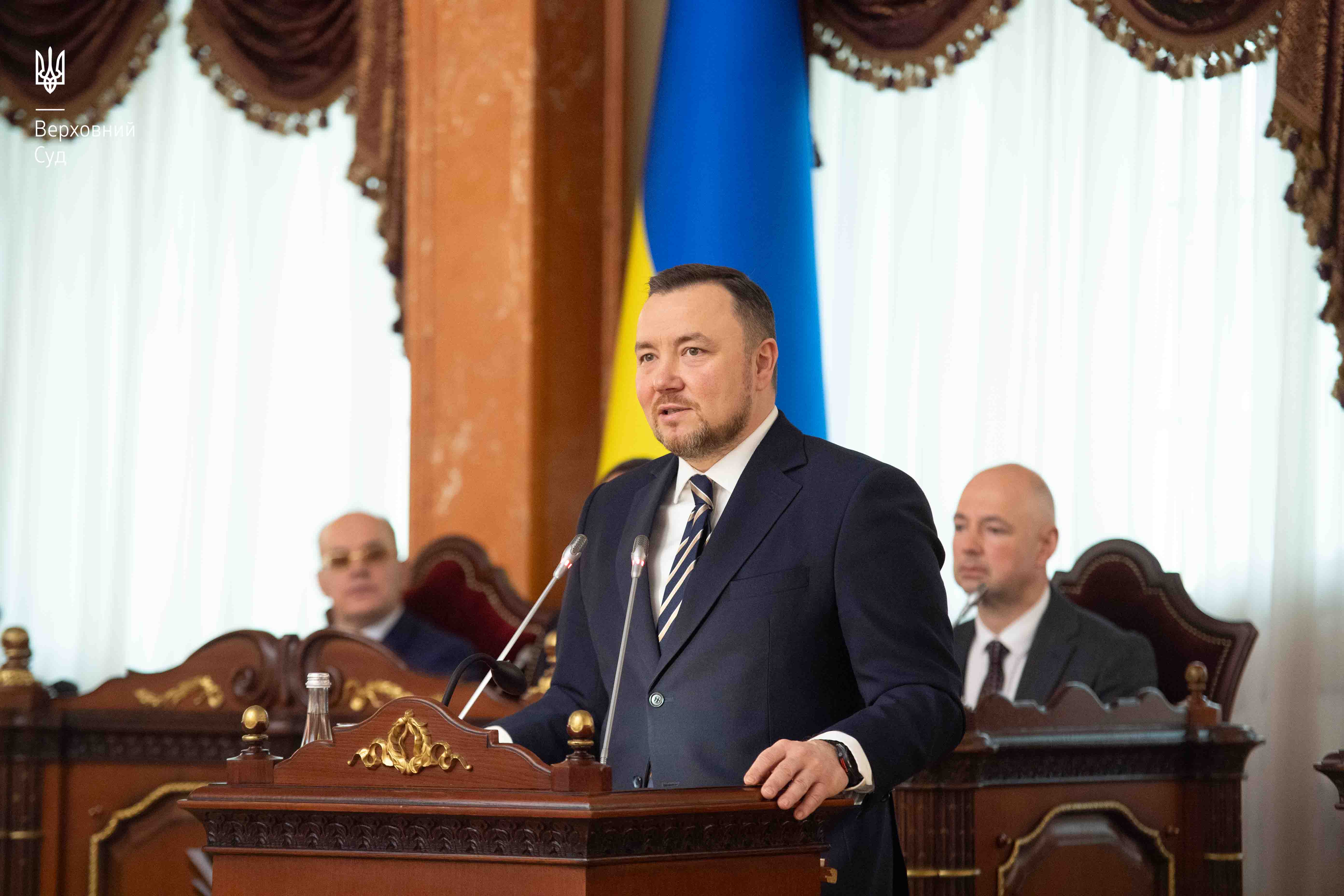
Addressing the participants of the Opening of the Judicial Year, the Chairman of the Verkhovna Rada Committee on Legal Policy, Denys Maslov, emphasised: “For every individual and for the entire state, justice is a fundamental value, and it is the judicial power that bears the greatest responsibility for ensuring that our citizens actually feel justice”.
Denys Maslov outlined the Committee’s further priorities. First and foremost, the plan is to continue effective communication with the Supreme Court in legislative activity. In the context of the need to strengthen the uniformity of judicial practice, he stated that, in cooperation with the Supreme Court, efforts will be made to develop legislative proposals aimed at improving the functioning of cassation filter mechanisms. The primary objective of the relevant bill will be to enhance citizens’ access to justice and to provide some relief to the Supreme Court’s caseload.
Another important priority is the continued staffing of the courts. On this occasion, Denys Maslov thanked the High Council of Justice and the High Qualification Commission of Judges of Ukraine for carrying out, for the first time in more than ten years, the selection of judges for appellate courts last year.
The next priority will be the material and technical support of the judicial system. In particular, as the Chairman of the Verkhovna Rada Committee on Legal Policy reported, in 2025, thanks to the active stance of Committee members and the work of the State Judicial Administration of Ukraine, amendments provided for in bill No. 8222 were adopted. The norms implemented in it have made it possible to raise the level of remuneration for civil servants specifically in local and appellate courts.
Likewise, he stressed that the process of further digitalisation of the courts cannot be ignored – in particular, ensuring the high-quality operation of electronic document management systems and electronic justice systems.
Finally, Denys Maslov assured that Parliament would continue to fulfil Ukraine’s European integration commitments, particularly those relating to the disciplinary liability of judges and declarations of integrity, as well as obligations under the Ukraine Facility plan. This would, however, be done in a manner that does not undermine the guarantees and principles of judicial independence.
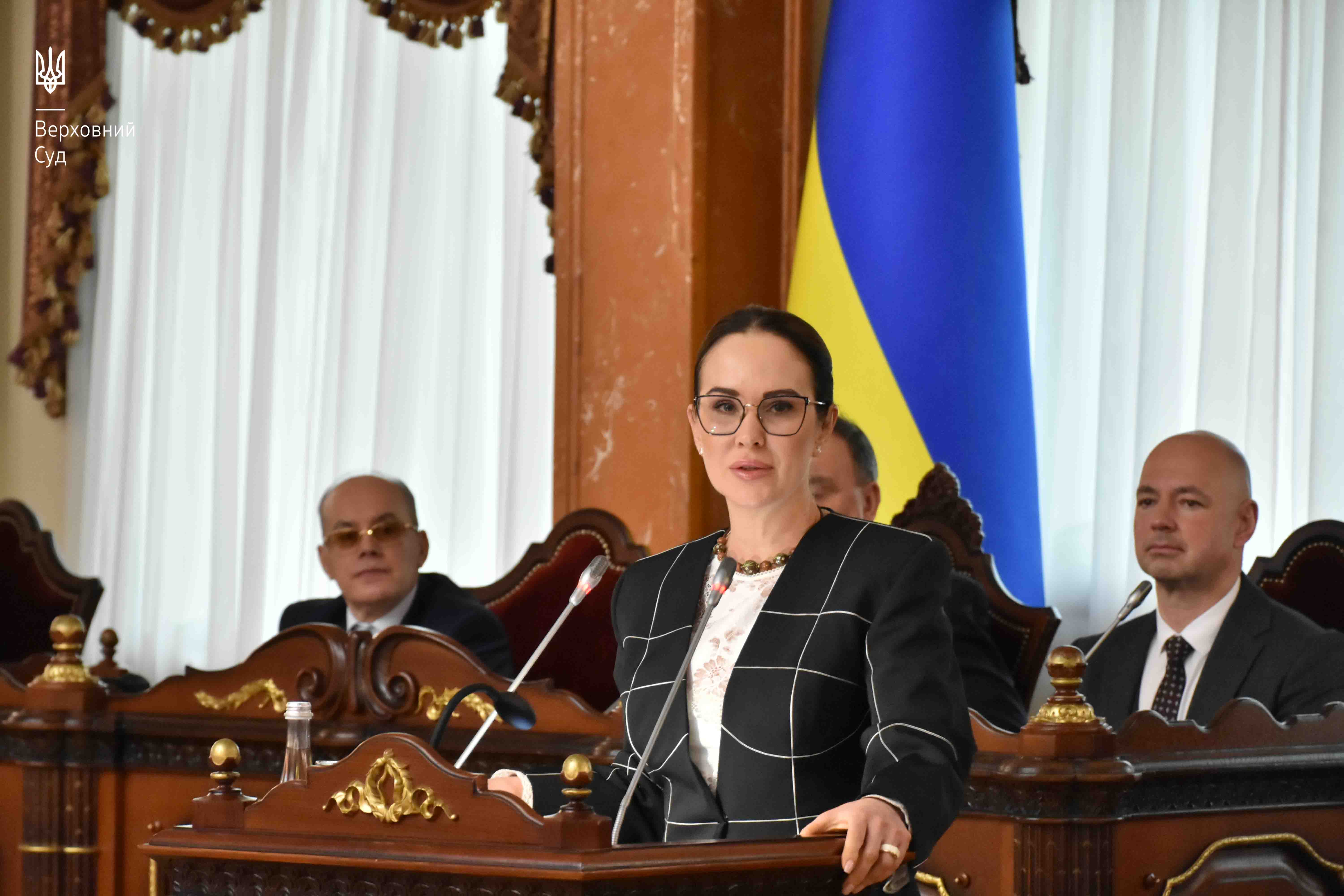
The Deputy Head of the Office of the President of Ukraine, Iryna Mudra, emphasised that for the Office of the President the Supreme Court is a key partner in shaping legal certainty in Ukraine, and that the expanded-format Plenum session for the Opening of the Judicial Year provides a space for honest and professional dialogue, where guidelines are established for the entire judicial system.
“For the Office of the President of Ukraine it is important that these guidelines are heard, understood and consistently implemented at all stages and levels of the administration of justice. This is a matter of public trust, the country’s international reputation and our shared path towards membership of the European Union. The Office of the President of Ukraine consistently upholds the principle of judicial independence, but independence is impossible without accountability for public trust. This is not about pressure on the courts; it is about high standards of conduct, integrity and self-regulation within the system itself,” Iryna Mudra noted.
As the Deputy Head of the Office of the President of Ukraine reported, on 4 November 2025 the European Commission published its Report on Ukraine’s progress within the 2025 European Union Enlargement Package, in which it acknowledged substantial progress by our state in the areas of the rule of law, the fight against corruption and judicial reform. It was specifically noted that, despite the war, the majority of courts have maintained a high level of efficiency, and that the strategic framework for the development of the justice system in Ukraine has already been implemented.
Recalling the Roadmap on the Rule of Law, approved in May 2025, which defines the key reforms necessary for Ukraine’s accession to the European Union, Iryna Mudra focused on the European Commission’s recommendations concerning the proactive role of the High Council of Justice in ensuring judicial independence, the dismissal of judges whose actions discredit the authority of justice, the improvement of legislation on the disciplinary liability of judges taking into account the recommendations of the Venice Commission, and the updating of rules on the submission of declarations of integrity and family ties by judges and the procedure for their verification. “For the Office of the President it is fundamental that disciplinary practice should be predictable, professional and such as to strengthen – rather than weaken – judicial independence,” she explained.
The European Commission also drew attention to the need to improve the quality of justice, in particular by ensuring the uniformity of judicial practice at all levels of the judicial system. In these processes, the role of the Supreme Court is decisive.
Regarding the staffing aspect, Iryna Mudra pointed out that in 2025 a total of 143 judges were appointed by decrees of the President of Ukraine, while over the period 2024–2025 more than 607 judges were appointed altogether. Despite this, the shortage of judicial personnel remains a serious challenge.
In addition, the Deputy Head of the Office of the President of Ukraine stressed the need for legislative regulation of conflicts of interest during competition procedures, particularly in selection processes involving current members of the High Council of Justice, the High Qualification Commission of Judges of Ukraine and their close relatives, as this is a matter of public trust in the outcomes of the selection.
“Today the judicial power is not merely an internal pillar of the state. It is a key argument for Ukraine in its dialogue with the EU and our international partners. And judicial reform is about trust. Trust is built where there is professionalism, accountability and predictability,” Iryna Mudra summarised.
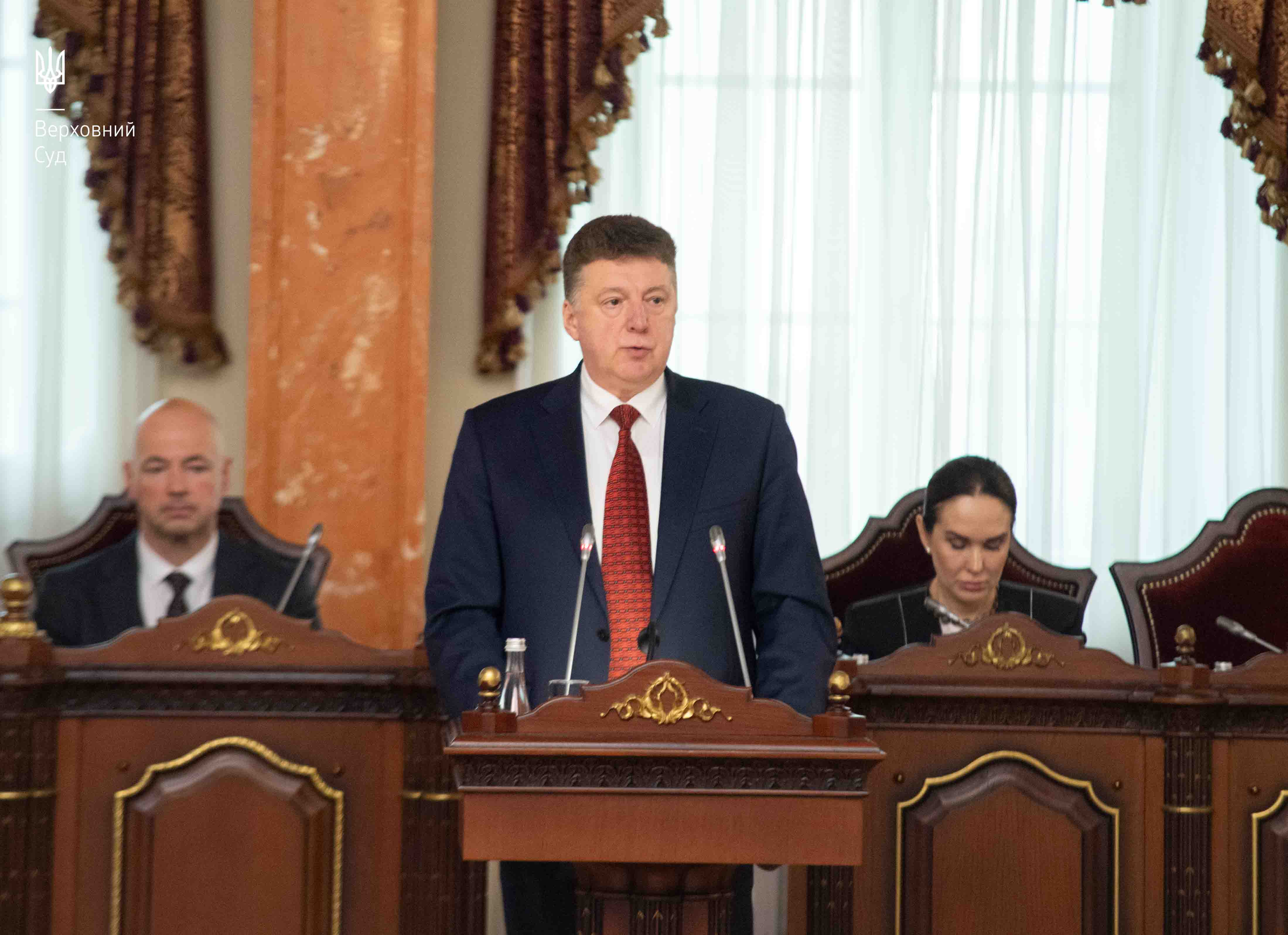
As Judge of the Constitutional Court of Ukraine Viktor Horodovenko emphasised, the Constitutional Court’s participation in the Plenum session of the Supreme Court in the format of the Opening of the Judicial Year is evidence of exceptional openness and interaction between the institutions, as well as of the institutional maturity of the entire judicial power. The interaction between the Supreme Court and the Constitutional Court of Ukraine is not merely formal procedural cooperation, but a manifestation of deep institutional dialogue aimed at ensuring the supremacy of the Constitution and the unity of constitutional review.
In Viktor Horodovenko’s view, it is telling that in 2025, out of eight submissions received by the Constitutional Court of Ukraine, six came from the Supreme Court. The subject matter of these submissions covers all aspects of the development of the legal system. They concern guarantees of judicial independence, the principles of the rule of law and legal certainty, access to justice and effective judicial protection. Traditionally, such constitutional submissions have also addressed issues of social protection, in particular for persons with disabilities resulting from the war. “These submissions demonstrate that the Supreme Court actively uses the mechanism of constitutional submission precisely as an instrument for ensuring the unity of constitutional interpretation and for eliminating normative uncertainty,” the CCU judge noted.
At the same time, among the issues that require more detailed professional discussion in order to enhance the effectiveness of constitutional review, certain aspects of the formation of constitutional submissions deserve attention and professional consideration with a view to further improving the efficiency of constitutional control. In particular, this concerns the possibility of comprehensively forming a single consolidated constitutional submission on matters relating to adjacent areas of constitutional issues. Such an approach would contribute to a more coherent understanding of the Constitution and greater unity in the application of law.
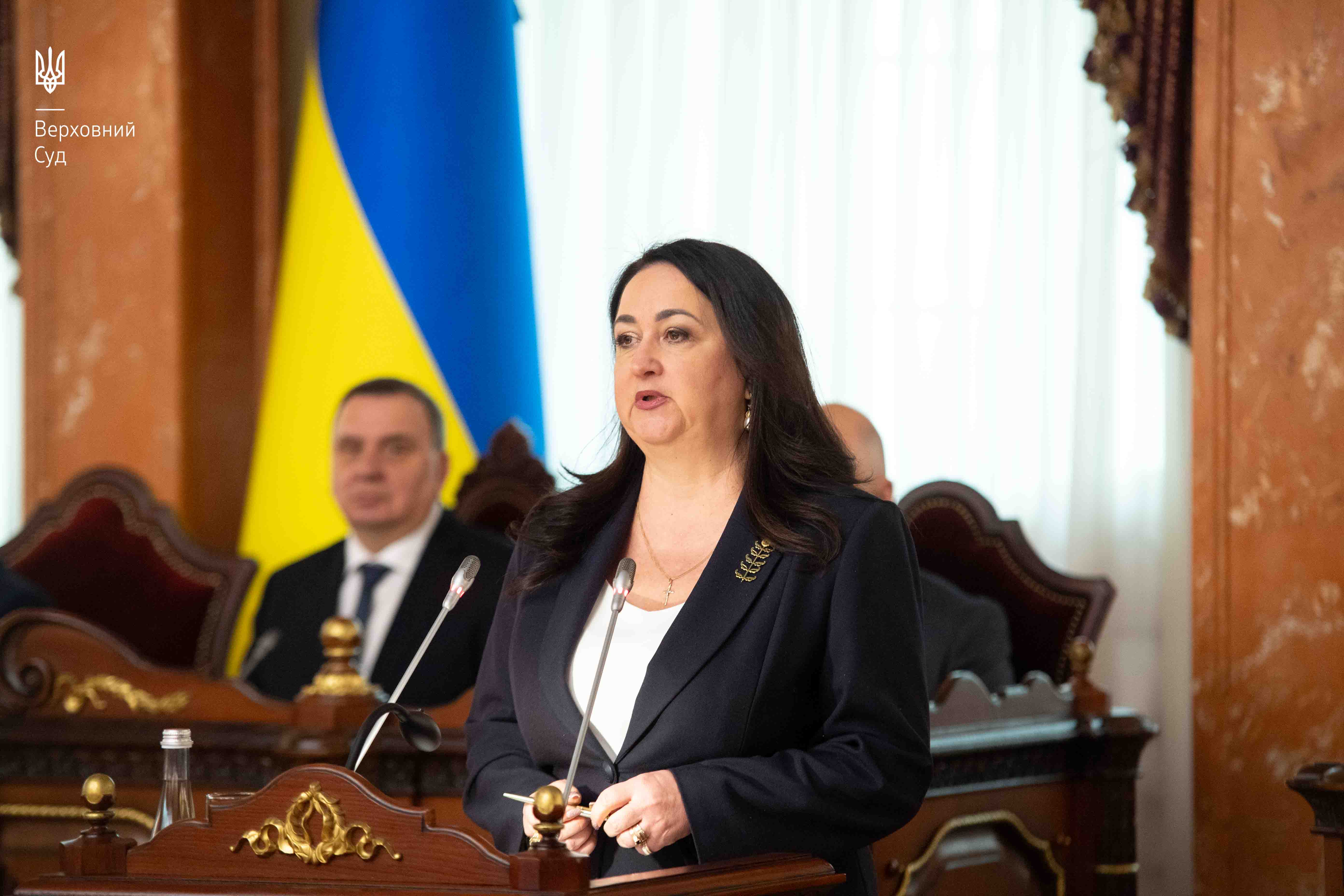
The Deputy Chair of the High Council of Justice, Oksana Kvasha, in her address emphasised that only systematic interaction, mutual understanding and mutual assistance among all institutions of the judicial power can ensure the effective administration of justice and genuine access for citizens to the courts. While moving towards membership of the European Union and resisting Russian aggression, Ukraine continues its judicial reform, demonstrating its ability to uphold democratic and European values even under wartime conditions.
Oksana Kvasha noted that in 2025 the High Council of Justice operated under staffing constraints and not in its full composition, which created additional risks for the stable functioning of the judicial system. At the same time, she highlighted steps taken to strengthen the institutional capacity of the HCJ, including the replenishment of its membership and the role of the Ethics Council in forming an integrity-based body of members. Particular attention was drawn to the risks of the HCJ losing its quorum in the event of a failure to elect new members in a timely manner, which directly affects the staffing of the courts.
In this context, the Deputy Chair of the HCJ informed participants about the results of staffing work. During 2025, the High Council of Justice submitted recommendations for the appointment of 161 judges to local courts, appellate courts and the High Anti-Corruption Court, while at the same time decisions were taken on the resignation of 226 judges. This discrepancy exacerbates the staffing shortage in the courts, leading to breaches of reasonable time limits for case consideration and affecting public trust in the judicial power.
Oksana Kvasha also addressed issues of disciplinary liability and the safeguarding of judicial independence, noting that the majority of disciplinary complaints are unfounded, while the HCJ systematically responds to instances of interference in the activities of the courts.
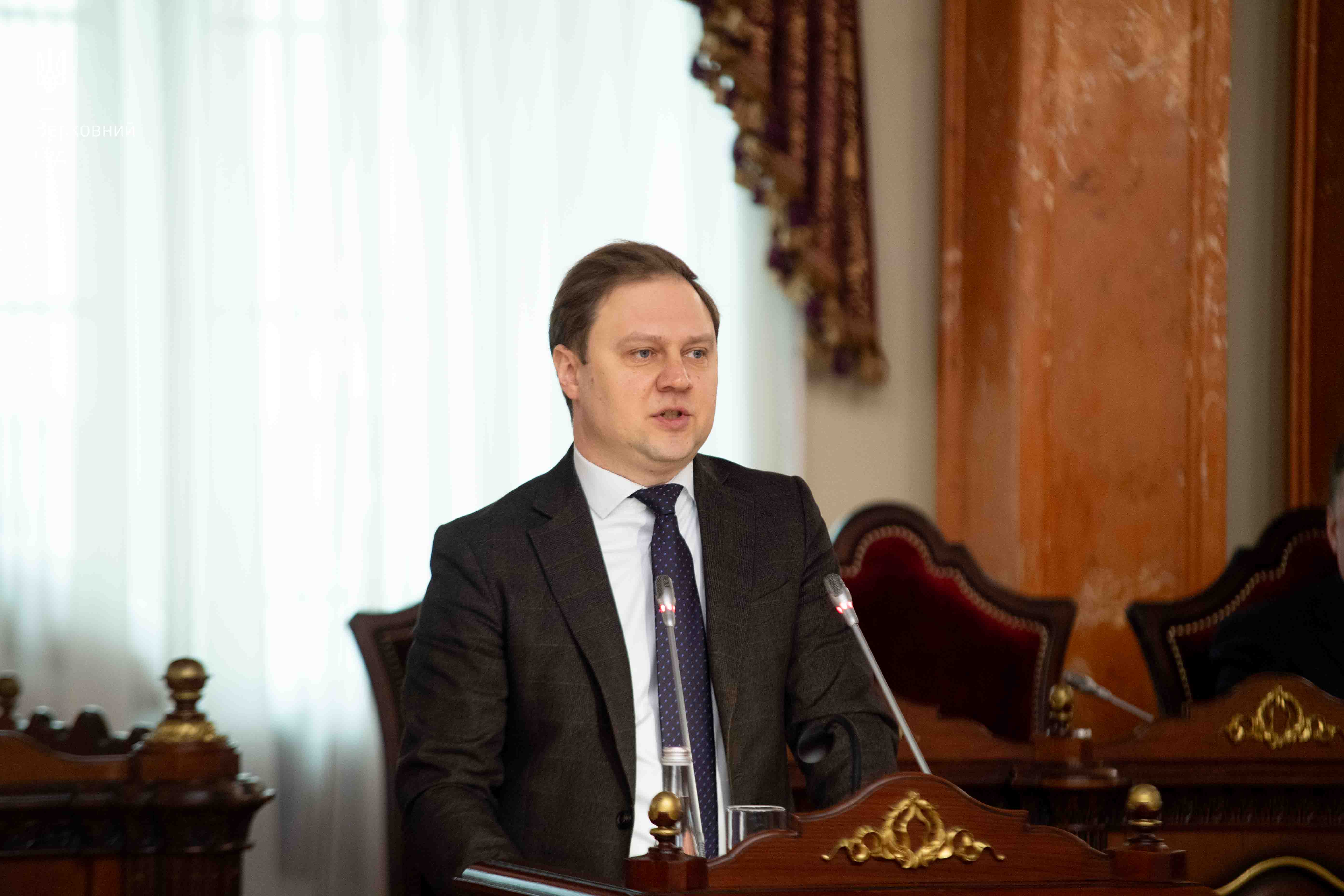
The Chair of the High Qualification Commission of Judges of Ukraine, Andrii Pasichnyk, during the event reported on the results of the Commission’s work in 2025 and outlined the main directions of activity for 2026.
The past year was one of the most intensive in terms of the volume of procedures and decisions. Throughout 2025, the HQCJ of Ukraine conducted competition procedures for approximately 2,400 vacant judicial posts in courts of various instances. The Commission processed more than 9,900 application forms, and 10,178 individuals took part in the competitions and qualification examinations. In total, 638 interviews were conducted and around 2,000 decisions were adopted that directly influence the formation of the judicial corps.
A significant portion of the Commission’s work was focused on competitions for appellate-instance courts. More than 2,000 candidates participated in the relevant competitions, following which recommendations were issued for the appointment of judges to appellate courts in various regions. Some of these recommendations have already been implemented, while procedures under the law are continuing in respect of others. At present, the HQCJ of Ukraine is conducting interviews with candidates in the second wave for appellate courts in the largest cities and plans to complete this stage by the summer of 2026.
An important focus of work in 2025 was the selection process for courts of first instance. The number of applications submitted – more than 9,000 – significantly exceeded expectations and required non-standard organisational solutions. The qualification examination was completed in July 2025, with more than 3,000 candidates admitted to the practical assignments stage. At present, the marking of papers is ongoing and preparations are being made for the subsequent stages, which will enable competition procedures to begin in 2026 and the first recommendations to be issued.
The speech also covered the progress of competitions for the High Anti-Corruption Court and the newly established specialised administrative courts. These procedures are of particular importance in view of the staffing needs and Ukraine’s international commitments.
The Chair of the High Qualification Commission of Judges of Ukraine stressed that in 2025 the Commission achieved the ability to independently conduct all main procedural stages and also laid the groundwork for the digitalisation of its activities. Already in 2026, the introduction of electronic document management and a judicial career account is planned, which should simplify judges’ participation in procedures and increase the transparency of the HQCJ’s work.
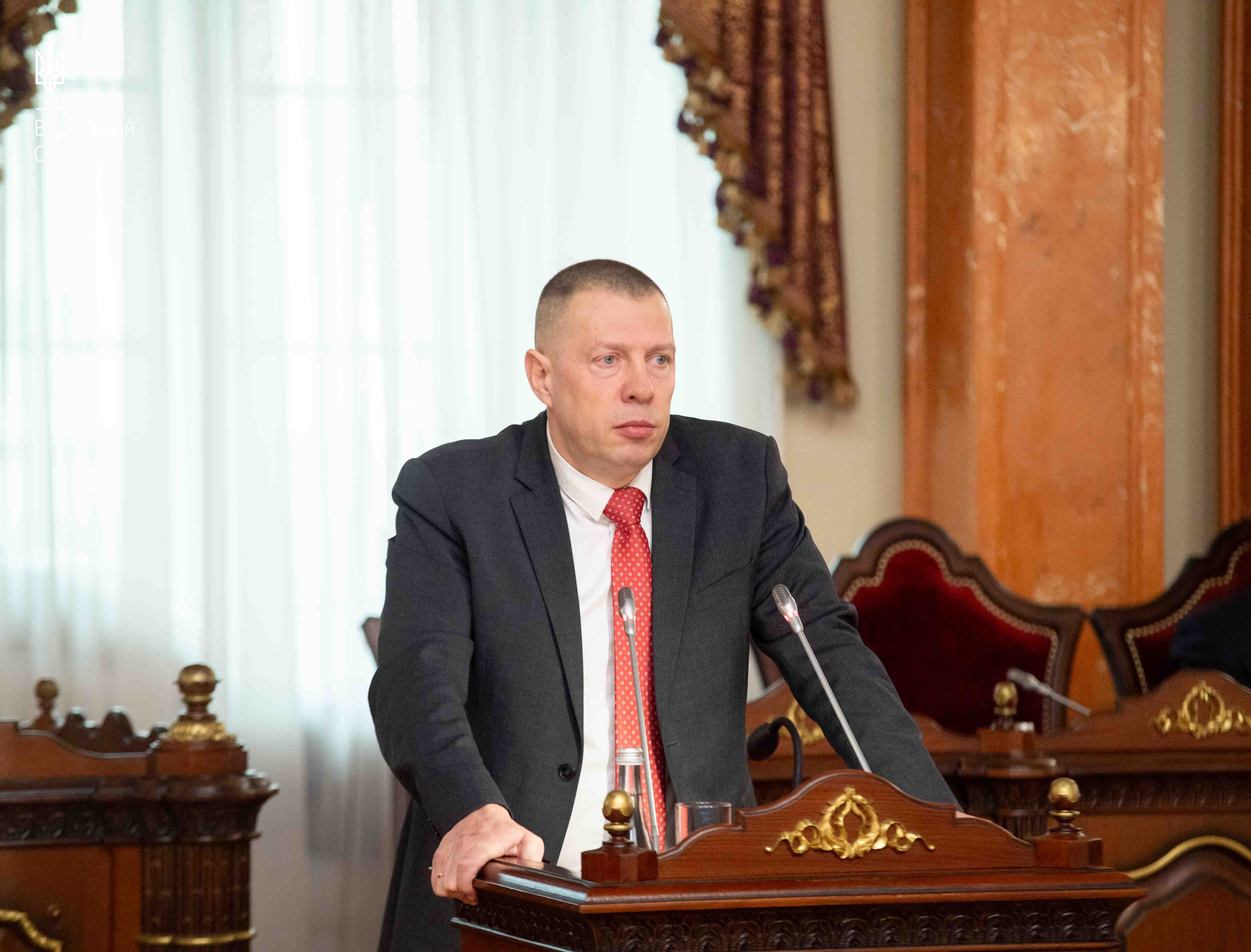
The Chair of the Council of Judges of Ukraine, Bohdan Monich, reported on a certain increase in the salaries of court staff in the autumn of last year in accordance with resolutions of the Cabinet of Ministers of Ukraine. At the same time, some legislative initiatives concerning the regulation of remuneration remain unimplemented. Overall, in 2025 the Council of Judges of Ukraine adopted 55 decisions. Among them, a landmark one was the introduction of a new version of the Regulation on the Automated Court Document Management System (ACDMS).
According to Bohdan Monich, the situation that has developed in the Sumy Appellate Court requires further consideration – in particular, the possibility of regulating the redistribution of the backlog of cases pending before the three panels of that court until new judges are appointed.
Among the tasks for 2026 is the holding of the next part of the 20th regular Congress of Judges of Ukraine, at which it is planned to consider the election of a new composition of the Council of Judges of Ukraine and the filling of vacant positions on the High Council of Justice.
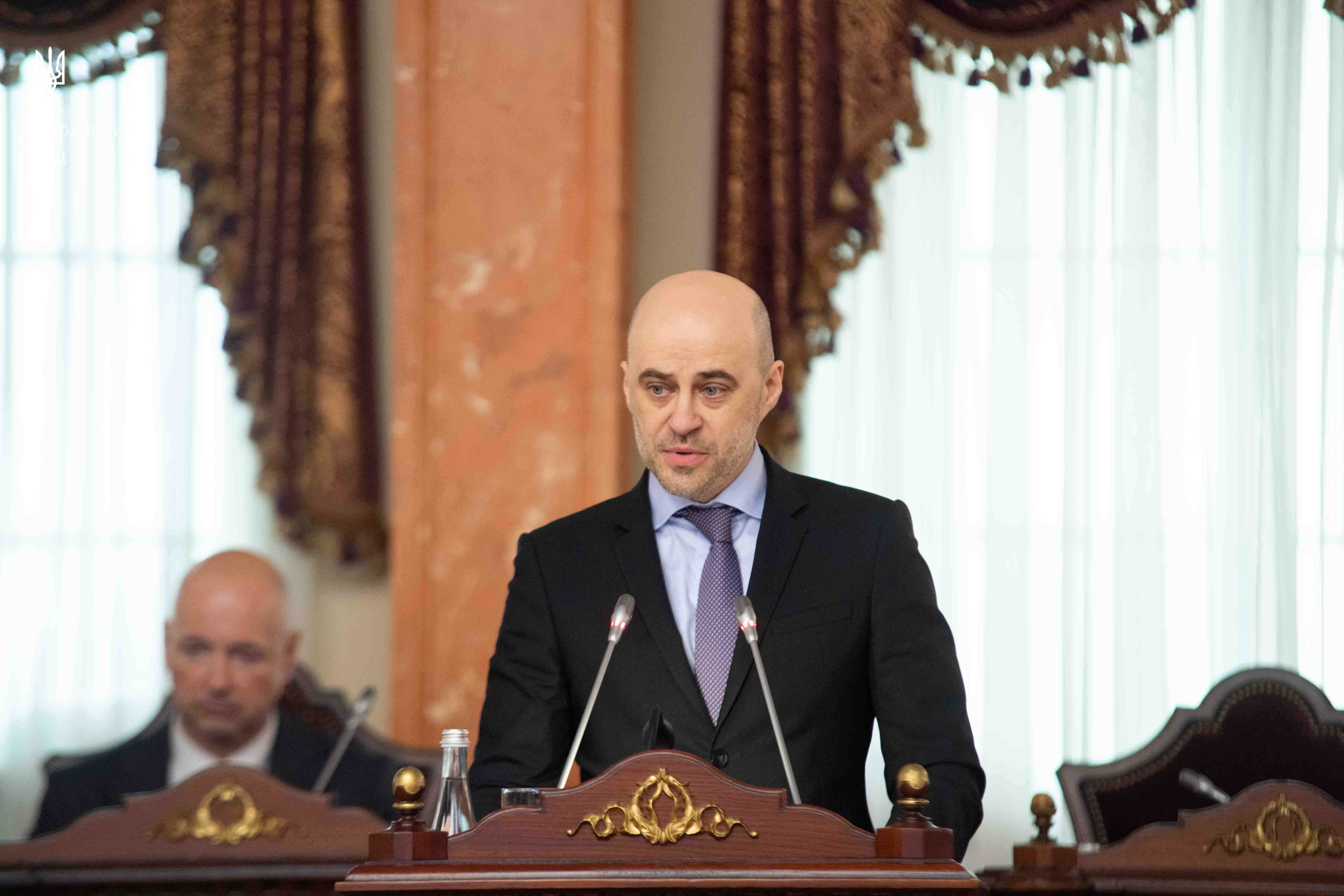
The Head of the State Judicial Administration of Ukraine, Maksym Pampura, informed participants about the main aspects of the Administration’s activities in the areas of organisational and financial support for the courts. Thus, the budget allocation for 2026 under the Law of Ukraine “On the State Budget of Ukraine for 2026” amounts to UAH 22,705.3 million, which is UAH 600 million more than the budget allocations set by the law on the state budget for 2025. The main financial allocations are directed, in particular, towards remuneration of staff and related accruals, payment of utility services and energy carriers, current expenditure, and so on. Maksym Pampura also noted the measures taken by the State Judicial Administration of Ukraine to increase the remuneration of court staff. At the same time, the Administration continues its work to provide courts with their own premises.
In addition, since the beginning of Russia’s full-scale invasion, decisions have been taken to change the territorial jurisdiction of 91 courts due to the impossibility of administering justice during martial law, 61 of which are located in territories temporarily not under Ukraine’s control.
As the Head of the State Judicial Administration pointed out, an important area of activity for 2026 remains the expansion of the use of the “Electronic Court” subsystem and video-conferencing in judicial proceedings. It is also planned to implement the new Concept of the Unified Judicial Information and Telecommunication System (UJITS), developed by the State Judicial Administration of Ukraine and approved by Order No. 178 of the State Judicial Administration dated 30 April 2025, which envisages such key elements as the automation of judicial processes and the safeguarding of data security.
The report on the main aspects of the Supreme Court’s activities during the past year, entitled “The Supreme Court in Figures and Facts for 2025”, is available at the following link: https://court.gov.ua/storage/portal/supreme/rizne/Zvit_VS_2025.pdf.
_03_03.png)