Contact center of the Ukrainian Judiciary 044 207-35-46
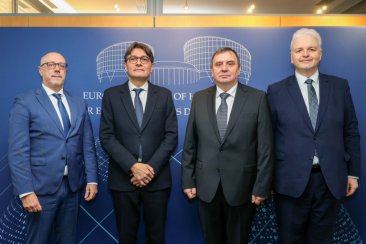
An important part of the working visit of the President of the Supreme Court Stanislav Kravchenko to Strasbourg was a meeting with the President of the European Court of Human Rights Mattias Guyomar.
The President of the ECHR reaffirmed unwavering support for Ukraine, emphasizing that our country's struggle is a fight for the values of the whole of Europe. He noted that the Ukrainian judicial system, in particular the Supreme Court, can rely on the ECHR, and the most important task is to continue Ukraine's work as a full member of the Council of Europe.
Stanislav Kravchenko thanked Mattias Guyomar for the invitation to participate in the opening of the Judicial Year and for the ongoing support of Ukraine, highlighting the strategic importance of signing the Agreement on the Establishment of the Special Tribunal for the Crime of Aggression against Ukraine, which will be a significant step in the development of international law across the continent.
The parties also discussed international initiatives and cooperation mechanisms, including joining the ECHR Network of Supreme Courts, the effective use of the mechanisms under Protocol No. 16 to the Convention for the Protection of Human Rights and Fundamental Freedoms for the exchange of judicial experience, as well as the translation into Ukrainian of materials posted on the ECHR Knowledge-Sharing Platform, which will facilitate broader access to international practices.
During the meeting, attention was also paid to cases against Russia currently before the ECHR – by establishing violations of the Convention by the aggressor state in these cases, the ECHR supports Ukraine's sovereignty, and its decisions serve as a historical record and an account of responsibility for the violations committed.
The meeting was also attended by ECHR Judge Mykola Gnatovskyy. He emphasized the active dialogue between the Supreme Court and the ECHR and noted positive progress in reducing the number of pending cases against Ukraine.
The following day, on January 30, 2026, the Judicial Seminar “Protection of Media Pluralism and the Democratic Process in the Face of Modern Challenges” took place, serving as a platform for professional dialogue on the role of law in preserving an open information environment and the resilience of democratic institutions.
Participants of the event focused on the issue of media pluralism and access to information as fundamental components of a democratic society. Discussions centered on the role of legal safeguards in ensuring media diversity and protecting the public from information manipulation. Particular attention was given to freedom of information in the context of the European Union's powers, including an analysis of the limits and conditions for applying restrictive measures, as well as the balance between security objectives and the protection of fundamental rights. The concluding part of the seminar was dedicated to the role of the judiciary in ensuring the integrity of the democratic process, particularly through effective judicial oversight of compliance with electoral standards and the principles of the rule of law.
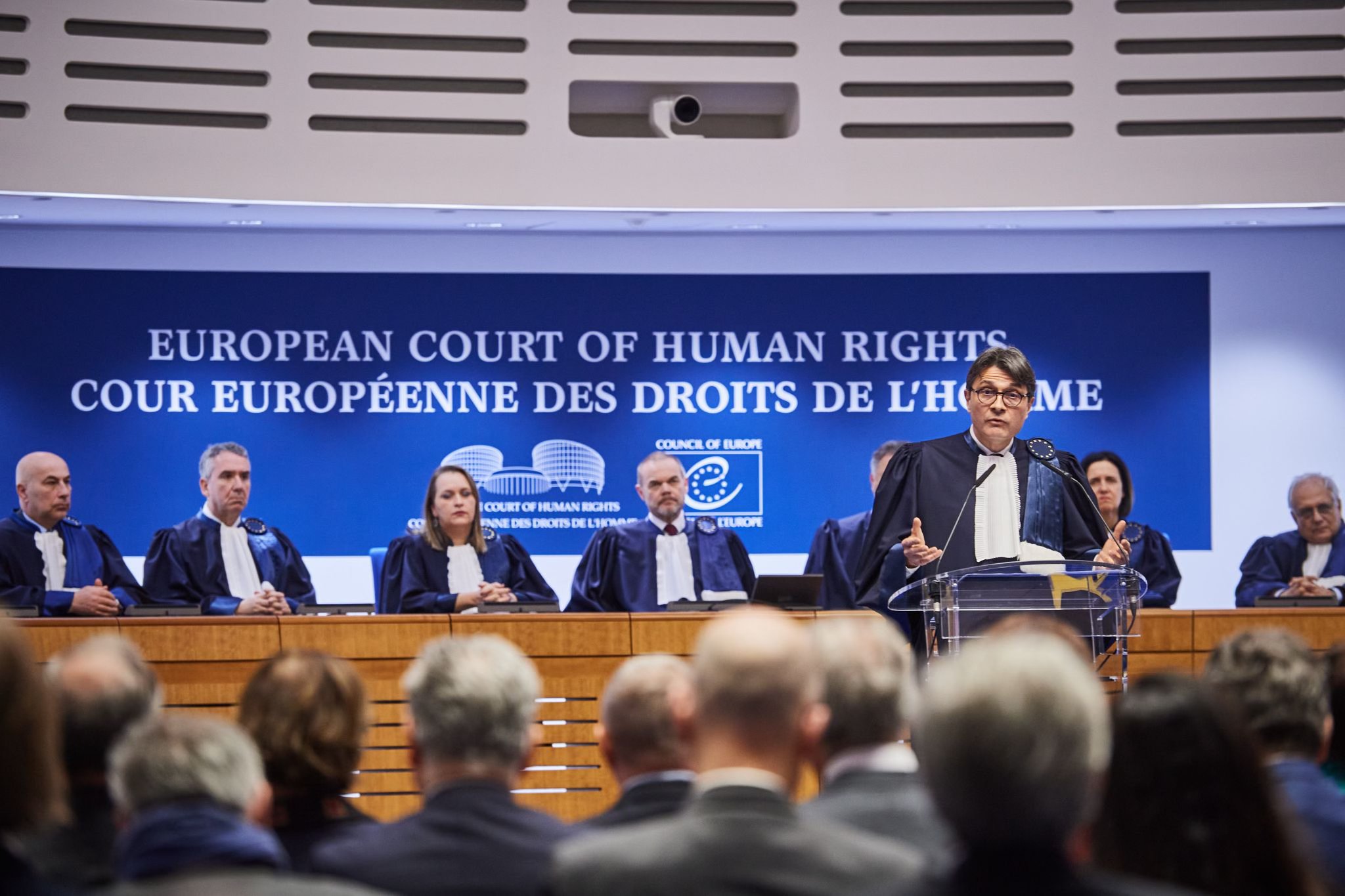
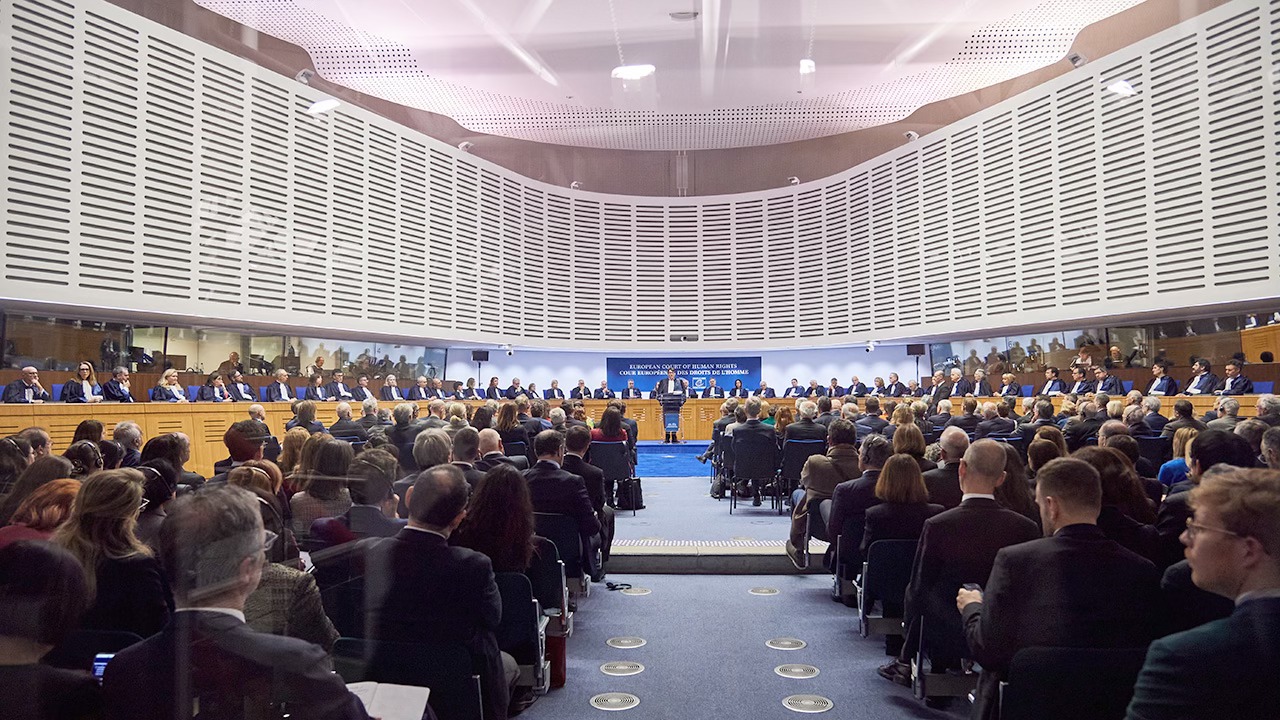
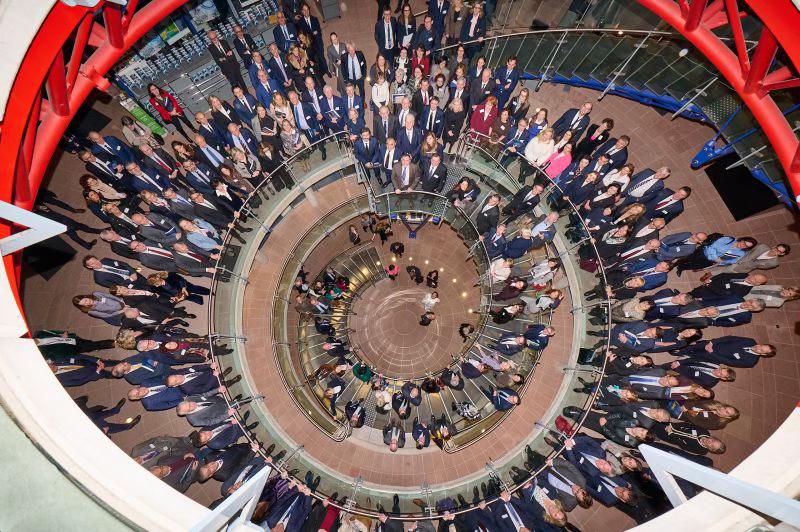
Following the seminar, a solemn session took place in the Human Rights Building to mark the opening of the Judicial Year. Welcoming addresses were delivered by the President of the ECHR Mattias Guyomar and the President of the Federal Constitutional Court of Germany, Prof. Dr. Stephan Harbarth.
Mattias Guyomar emphasized the unity of the judicial community in defending human rights and democracy, highlighting the significance of Protocol No. 16 to the Convention and the ECHR Network of Supreme Courts. He separately underscored the Court's historical role in complex international contexts, particularly in the case of Ukraine and the Netherlands v. Russia, in which the Court established Russia's responsibility for systematic human rights violations in Ukraine since 2014, as well as for the downing of Malaysia Airlines Flight MH17.
According to him, contemporary challenges require judges to recognize their shared responsibility and maintain constant dialogue among courts. Historical lessons remind us that democracy and human rights can always come under threat, so today the judicial community must act as a united front. Past events resonate with the current reality, where in many countries human rights and the rule of law are being questioned, and narratives pit judges against democracy.
“Sometimes we are the masters of our own destiny. The Convention – the sun of Rome – still shines brightly and strongly. It guides us through the clouds and dangers of today and tomorrow. Our cases are not yet closed. Whatever happens, our work continues – together and for the benefit of all,” summarized the President of the ECHR.
The full text of Mattias Guyomar’s speech will soon be available on the Supreme Observer modern law portal.
Prof. Dr. Stephan Harbarth focused on the doctrines of the “living instrument” and the “margin of appreciation”, which allow the Convention to be adapted to contemporary challenges while preserving the balance between international standards and state sovereignty.
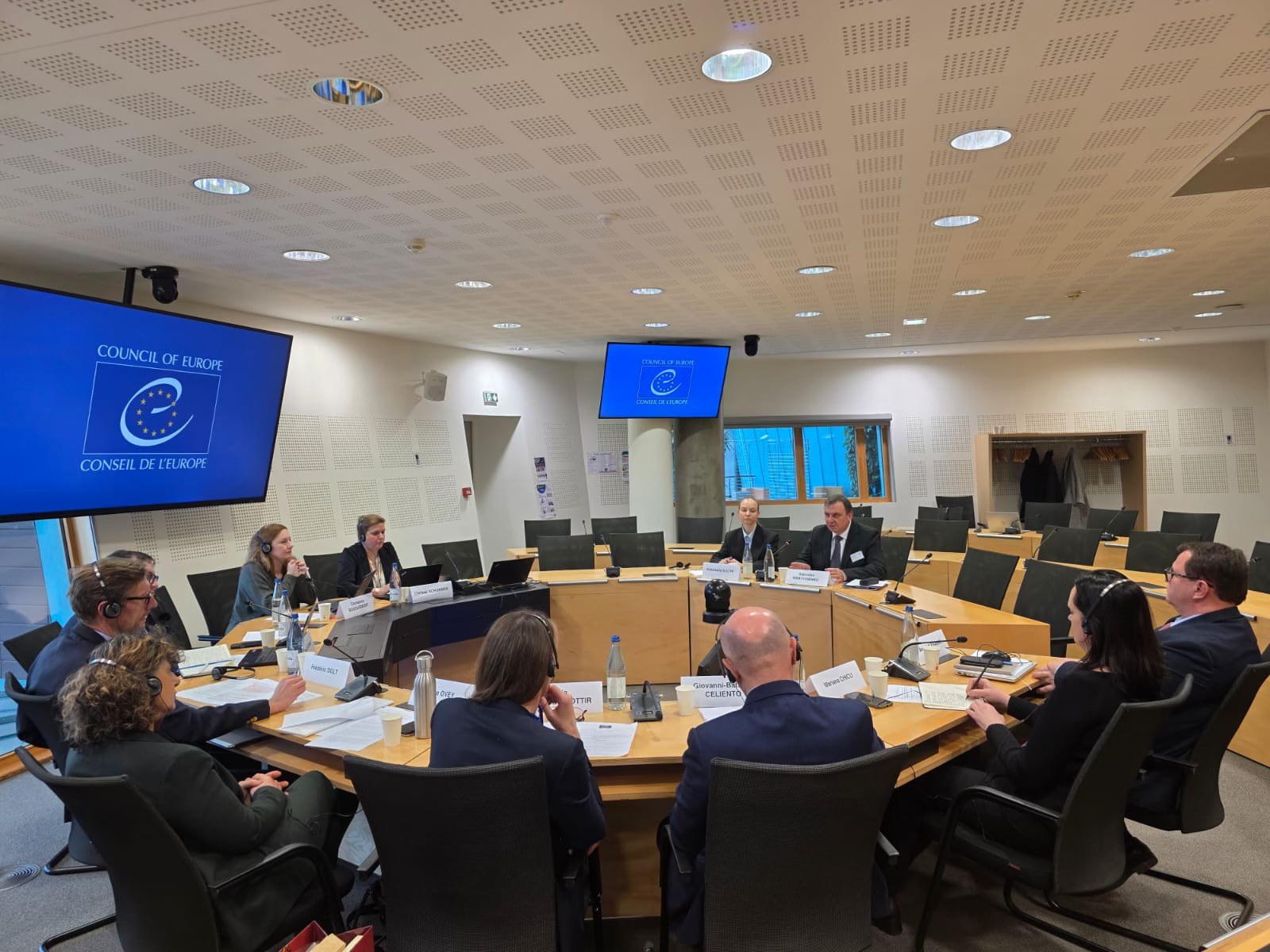
During the visit, Stanislav Kravchenko also held meetings with representatives of key Council of Europe institutions. The President of the Supreme Court expressed gratitude for the Council of Europe’s ongoing support for Ukraine and informed them about the current state and operating conditions of the Ukrainian judicial system, reaffirming its commitment to the principles underlying European standards of justice.
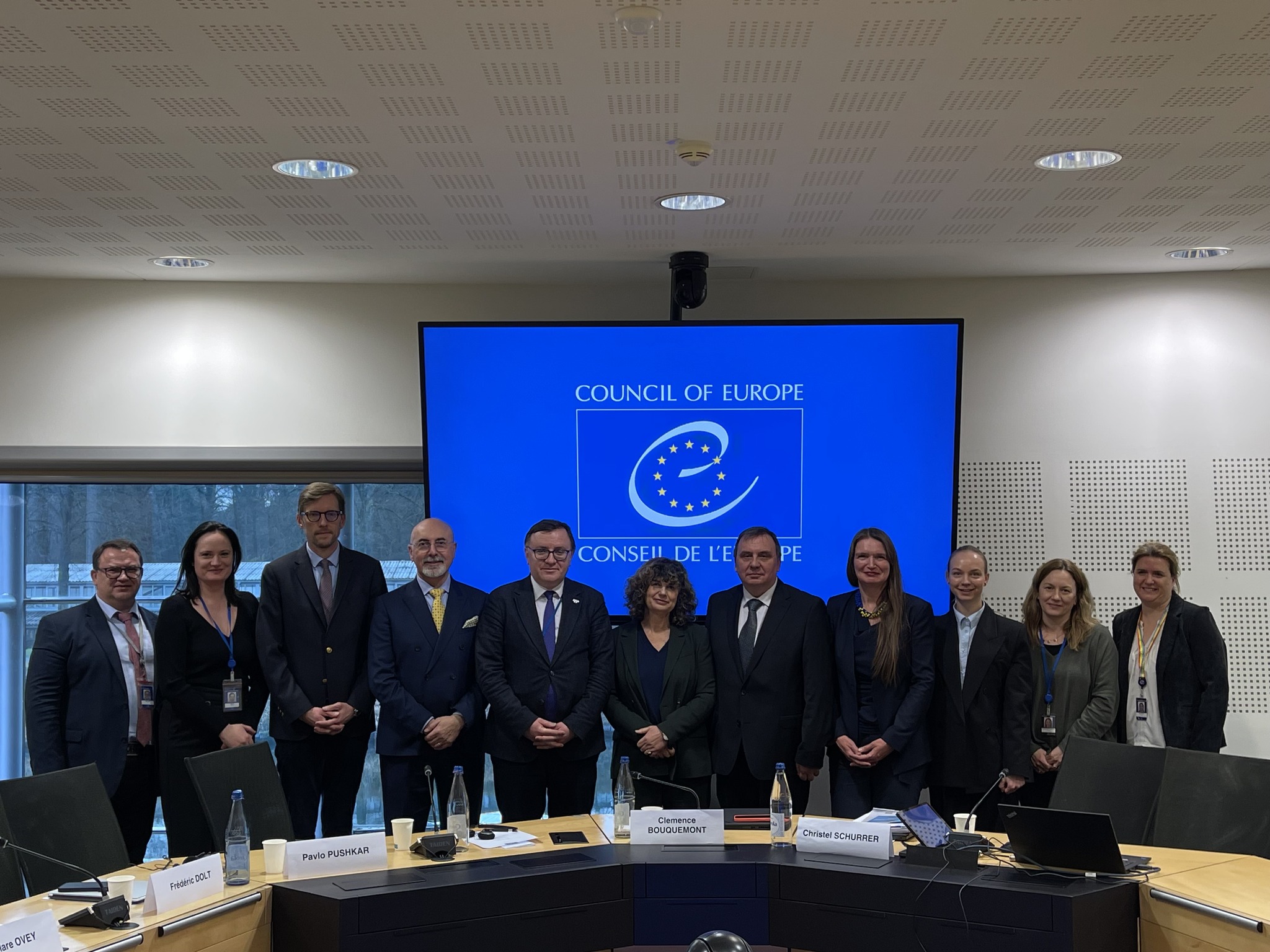
In discussions with Clare Ovey, Director of Human Rights at the Directorate General of Human Rights and Rule of Law of the Council of Europe, the parties addressed issues of judicial independence, disciplinary liability, and judges’ careers, particularly in light of ECHR judgments in the cases Oleksandr Volkov v. Ukraine, Denisov v. Ukraine, and Holovchuk v. Ukraine. Special attention was given to the Venice Commission’s recommendations on developing a comprehensive strategy for the advancement of the judiciary and ensuring judicial integrity, as well as the acute problem of staff shortages in courts and the need to optimize the court network.
In dialogue with Frédéric Dolt, Head of the Department for the Execution of Judgments of the European Court of Human Rights, both sides emphasized the need for further improvement of the legal and institutional framework guaranteeing the independence and impartiality of judges. Discussions covered restrictions on terms in administrative positions, enhancements to judge selection procedures, and the involvement of international experts in these processes.
In cooperation with CEPEJ, the parties noted the sustainability and effectiveness of joint work, particularly within the framework of the annual evaluation cycle of judicial systems and the Eastern Partnership Dashboard. Lilja Grétarsdóttir, Head of the Department for the Implementation of Human Rights, Justice and Legal Cooperation Standards of the Council of Europe, underscored the importance of continuing training and professional development for judges.
A separate block of discussions focused on the investigation and judicial examination of proceedings related to war crimes, as well as the significance of Ukraine’s ratification of the Rome Statute of the International Criminal Court for strengthening the system of international criminal justice.
Following the meetings, the parties confirmed their mutual interest in strengthening judicial independence, increasing public trust in the judicial system, and continuing constructive cooperation.
Thus, the visit of the President of the Supreme Court to Strasbourg marked an important step in strengthening international cooperation, affirmed Ukraine’s strategic role as a full-fledged member of the European judicial community, and outlined key directions for further work — from the development of judges’ professional education to the exchange of experience and joint search for solutions to contemporary challenges in the administration of justice.
The visit was organized with the support of the Council of Europe project “Support to Ukraine in Implementing Council of Europe Standards on the Judiciary”.
_03_03.png)