Contact center of the Ukrainian Judiciary 044 207-35-46
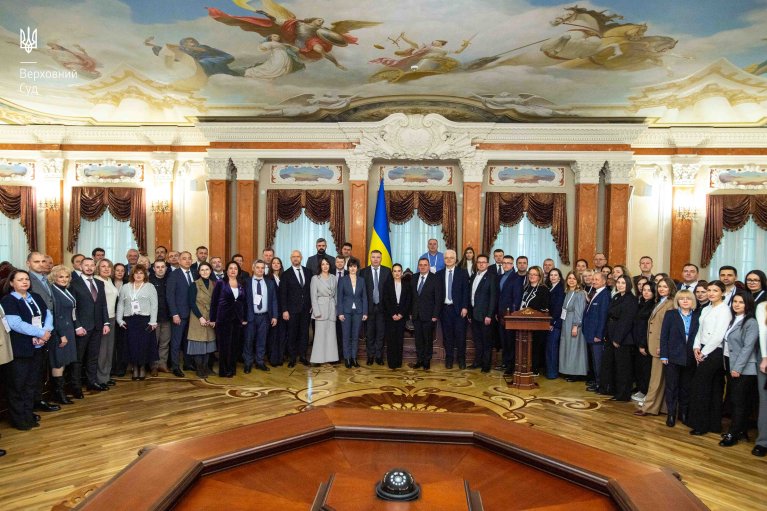
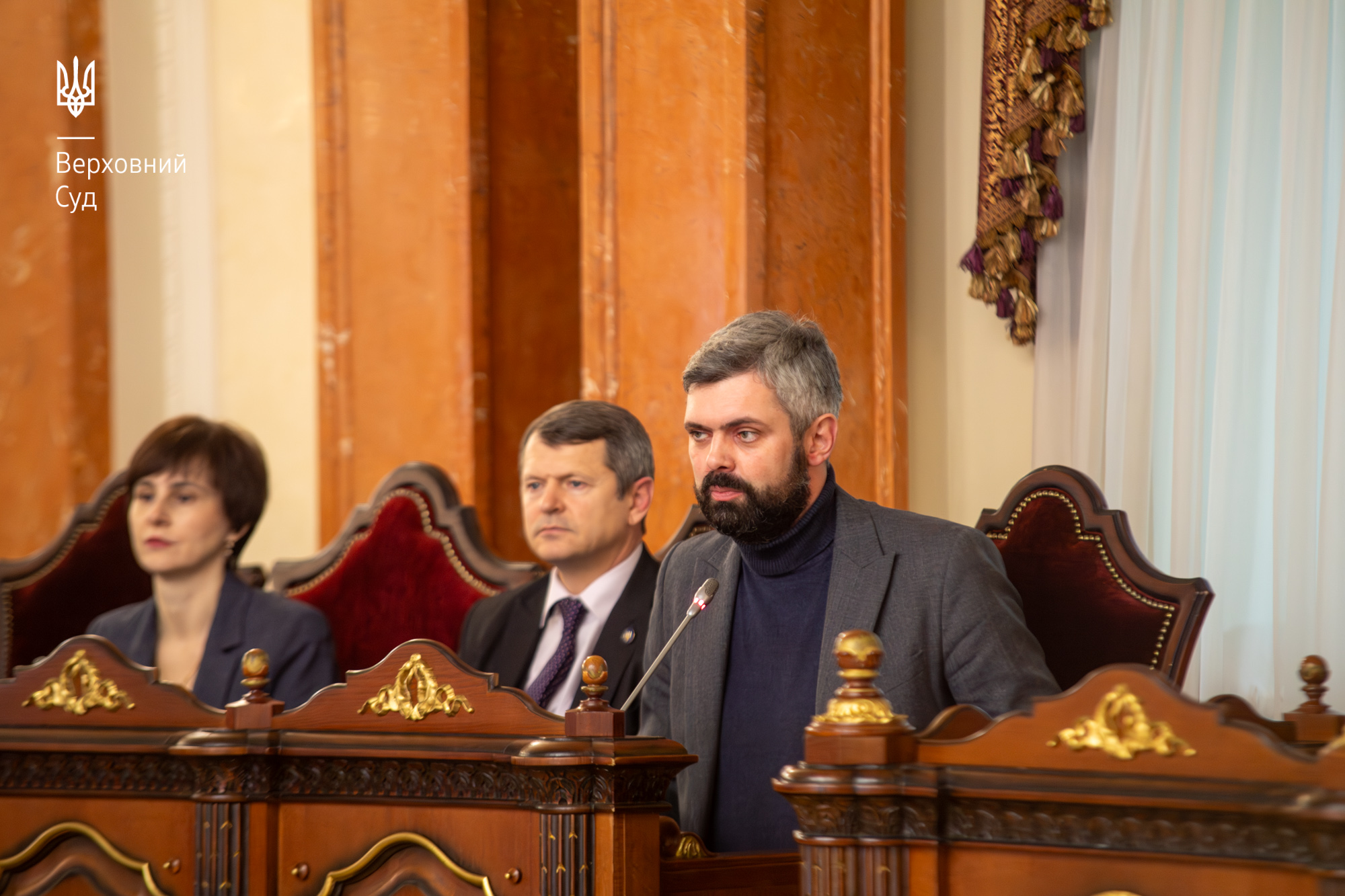
Session II, titled “Implementation of the European Convention on Human Rights into the National Legal Order of Ukraine: Achievements of 30 Years of Experience”, was moderated by Anton Drobovych, Head of the Human Rights and War Memorilization Center and National Consultant to the Council of Europe. During this session, participants discussed both the achievements and problematic aspects of incorporating the Convention’s standards into Ukraine’s legal system, with a focus on the practice of national courts.
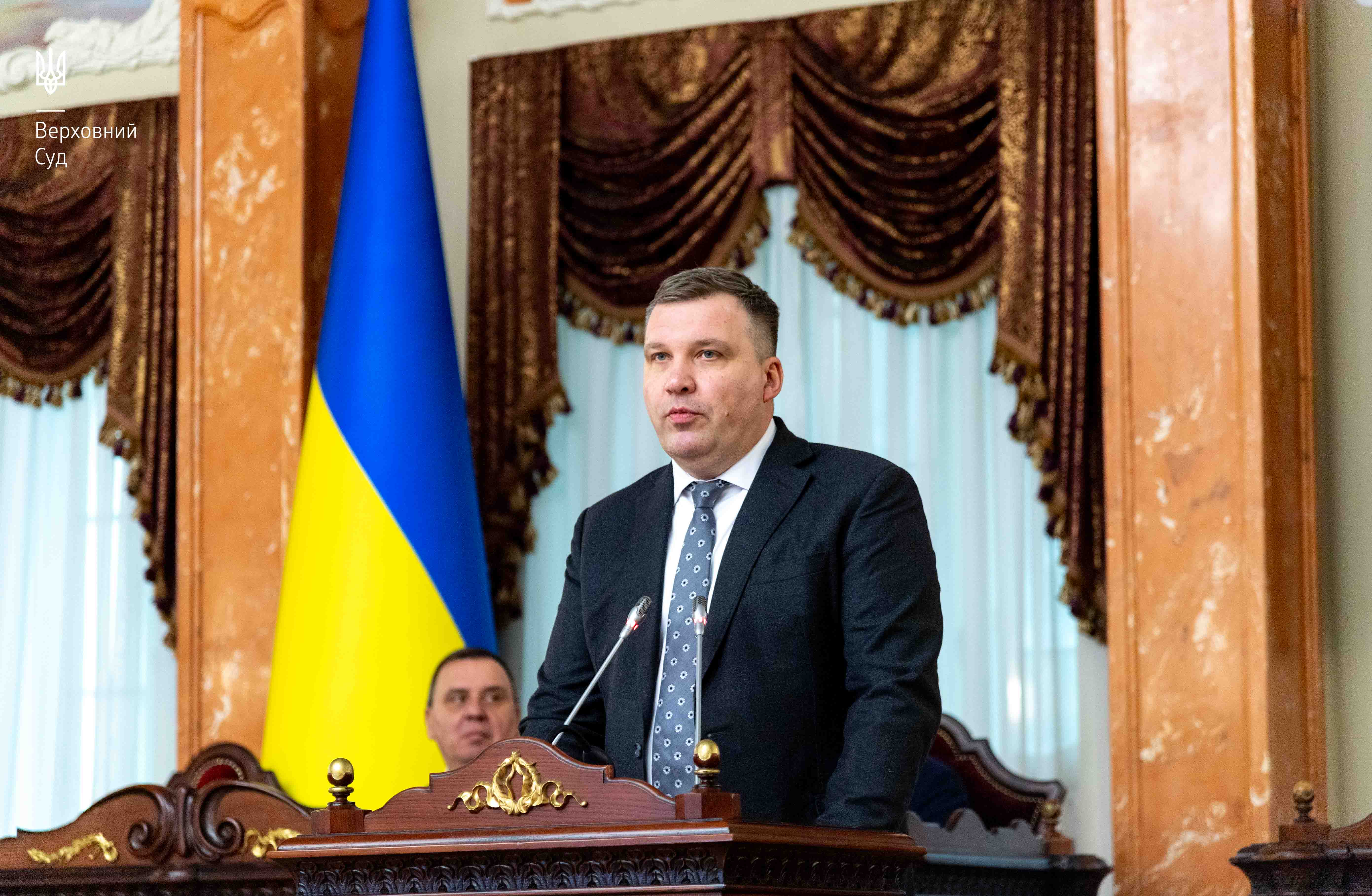
Vitalii Urkevych, Secretary of the Grand Chamber of the Supreme Court, focused on the key stages of implementing the European Convention on Human Rights in Ukraine, starting from its entry into force for Ukraine in 1997. He reminded the audience that after ratification, the Convention became part of national legislation in accordance with Article 9 of the Constitution of Ukraine. He also highlighted the importance of Ukraine’s recognition of the jurisdiction of the European Court of Human Rights in shaping national law enforcement practice.
Special emphasis was placed on the adoption on February 23, 2006, of the Law of Ukraine “On the Enforcement of Judgments and Application of the Practice of the European Court of Human Rights”, which established the obligation of national courts to apply the Convention and the ECtHR’s case law as a source of law. According to the judge, this became the foundation for systemic changes in judicial practice and the gradual alignment of national legislation with Council of Europe standards.
Highlighting the practical results of this implementation, Vitalii Urkevych cited significant changes in criminal justice, including the abolition of the death penalty, the adoption by the Verkhovna Rada of Ukraine on April 13, 2012, of the new Criminal Procedure Code of Ukraine, and the development by courts of approaches to the inadmissibility of evidence obtained in violation of human rights. In this context, he emphasized the role of ECtHR case law in ensuring guarantees of the right to a fair trial, personal liberty, and due process. The Secretary of the Grand Chamber drew attention to the Court’s judgments in the cases of Oleg Kolesnik v. Ukraine, Nechiporuk and Yonkalо v. Ukraine, and Pankiv v. Ukraine, which became guiding precedents for national courts on the admissibility of evidence. According to him, these decisions led to the establishment in Ukrainian judicial practice of the principle that confession statements obtained in violation of the right to defence, as a result of ill-treatment, or in breach of the right not to incriminate oneself cannot be used as evidence of guilt.
In 2022, the speaker recalled, a legislative mechanism was introduced to mitigate life imprisonment sentences. Under this mechanism, a person sentenced to life imprisonment may, after serving the first 15 years of their sentence, apply to the court to have their life sentence commuted to a fixed term with the prospect of parole. The ECtHR has positively assessed Ukraine’s steps in this direction.
The speaker emphasized the development of national practice regarding the application of detention as an exceptional preventive measure, taking into account the positions of the ECtHR in the cases of Ignatov v. Ukraine, Nakonechnyy and Others v. Ukraine, and Mykhailova and Others v. Ukraine. In these judgments, the Court has repeatedly pointed out the inadmissibility of unjustified or excessively prolonged deprivation of liberty. He also highlighted the influence of ECtHR practice on other areas of justice – the consideration of administrative offenсe cases, the resolution of civil and family disputes, particularly in the context of ensuring effective appellate review of court decisions, protection of the right to peaceful enjoyment of possessions while maintaining a balance between individual and public interests, the right to respect for private and family life, determination of paternity, and taking into account the best interests of the child. Summarizing, Vitalii Urkevych noted that orientation toward the case law of the European Court of Human Rights has become an irreversible path for the development of Ukraine’s legal system and an important guideline in establishing the rule of law.
Mykola Gnatovskyy, Judge of the European Court of Human Rights, drew attention to the systemic impact of ECtHR practice on the development of Ukraine’s legal system over 30 years of membership in the Council of Europe. He recalled that even at the stage of Ukraine’s accession to the Council of Europe, the relevant documents of the Parliamentary Assembly of the Council of Europe outlined a large-scale list of changes needed in the national legal system, including the adoption of new procedural codes. According to him, these changes occurred gradually and largely took into account ECtHR case law, with the most tangible and positive impact being in the field of criminal procedure.
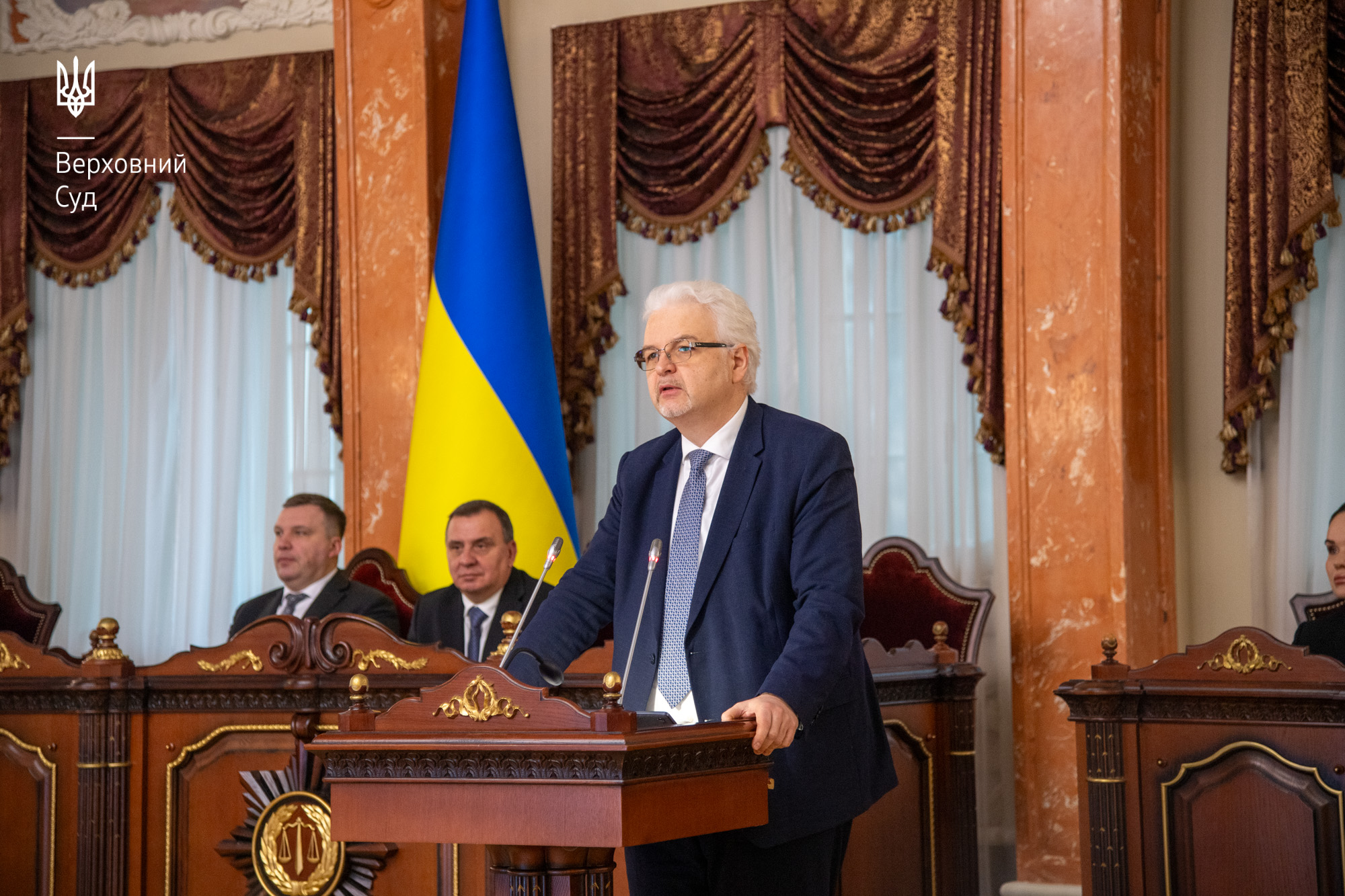
At the same time, the judge emphasized that alongside the achievements, a number of systemic problems persist, which continue to be identified in the practice of the European Court of Human Rights. He pointed to the so-called “table judgments” of the ECtHR (committee judgments in repetitive cases), adopted by committees of the Court, which concern long-identified violations and indicate a lack of change in approaches at the national level. A significant portion of decisions finding violations of the Convention against Ukraine belong to this category, which, according to the judge, is an indicator of unresolved structural problems.
Mykola Gnatovskyy also addressed the issue of non-enforcement of final court decisions, primarily in cases where the state is the debtor. He noted that although the number of such cases has formally decreased, particularly after the judgment in Burmych and Others v. Ukraine, the problem itself has not disappeared but has only changed its form, shifting to the supervision of the Committee of Ministers of the Council of Europe. In addition, the speaker highlighted the persistent ECtHR case law concerning conditions of detention and conditions in penitentiary institutions, which are inextricably linked to violations of Article 3 of the Convention and remain one of the most sensitive issues for Ukraine.
Concluding his speech, the speaker emphasized that systemic violations – in particular, the excessive length of criminal and civil proceedings, stereotypical reasoning for applying detention, problems with access to court, and inadequate investigation of cases of violence – require coordinated efforts by all branches of government. He stressed that failure to resolve these issues is not only a matter of attention for the European Court of Human Rights, but also one of the key obstacles on Ukraine’s path to European integration. Effective application of European Union law is possible only if there is a solid foundation at the national level.
Roman Babii, Head of the Subcommittee on the Execution of Judgments of the European Court of Human Rights and Alternative Dispute Resolution of the Verkhovna Rada Committee on Legal Policy, emphasized that Ukraine’s ratification of the European Convention on Human Rights in 1997 was a conscious civilizational choice in favour of European values. He highlighted that the implementation of the Convention is not a one-time act, but a long-term and continuous process that encompasses both legislative activity and the development of law enforcement practice.
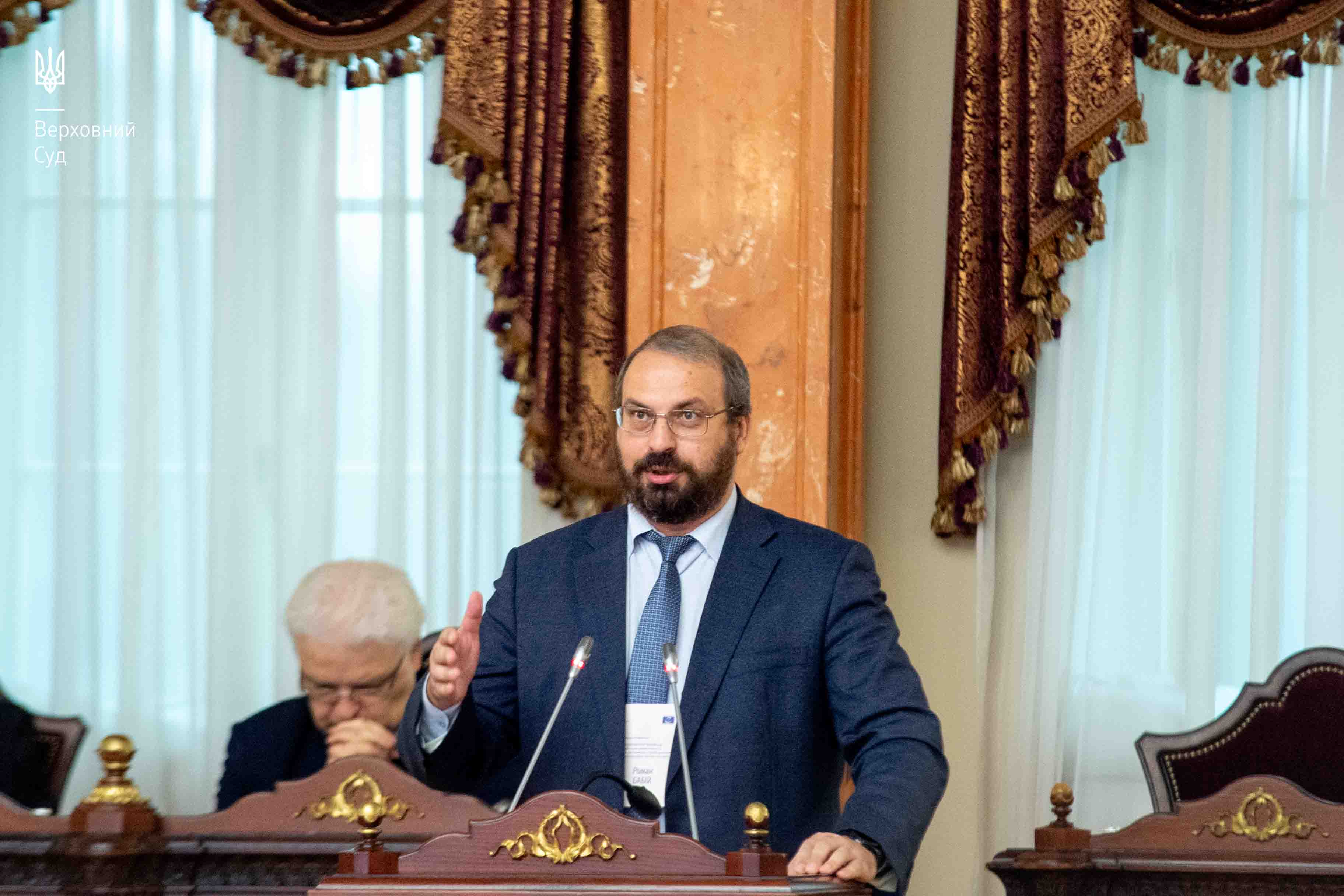
The speaker noted that the Convention has become a living instrument for Ukraine, serving as a benchmark for the quality of national legislation, while the case law of the European Court of Human Rights ensures its adaptation to specific legal relations and societal changes. In this context, he highlighted the adoption in 2006 of the Law of Ukraine “On the Enforcement of Judgments and Application of the Practice of the European Court of Human Rights”, which legally enshrined the obligation of courts to apply ECtHR case law as a source of law. At the same time, he pointed out that, given the changed volume and nature of cases against Ukraine, the provisions of this Law need to be updated. Relevant work is already underway in Parliament.
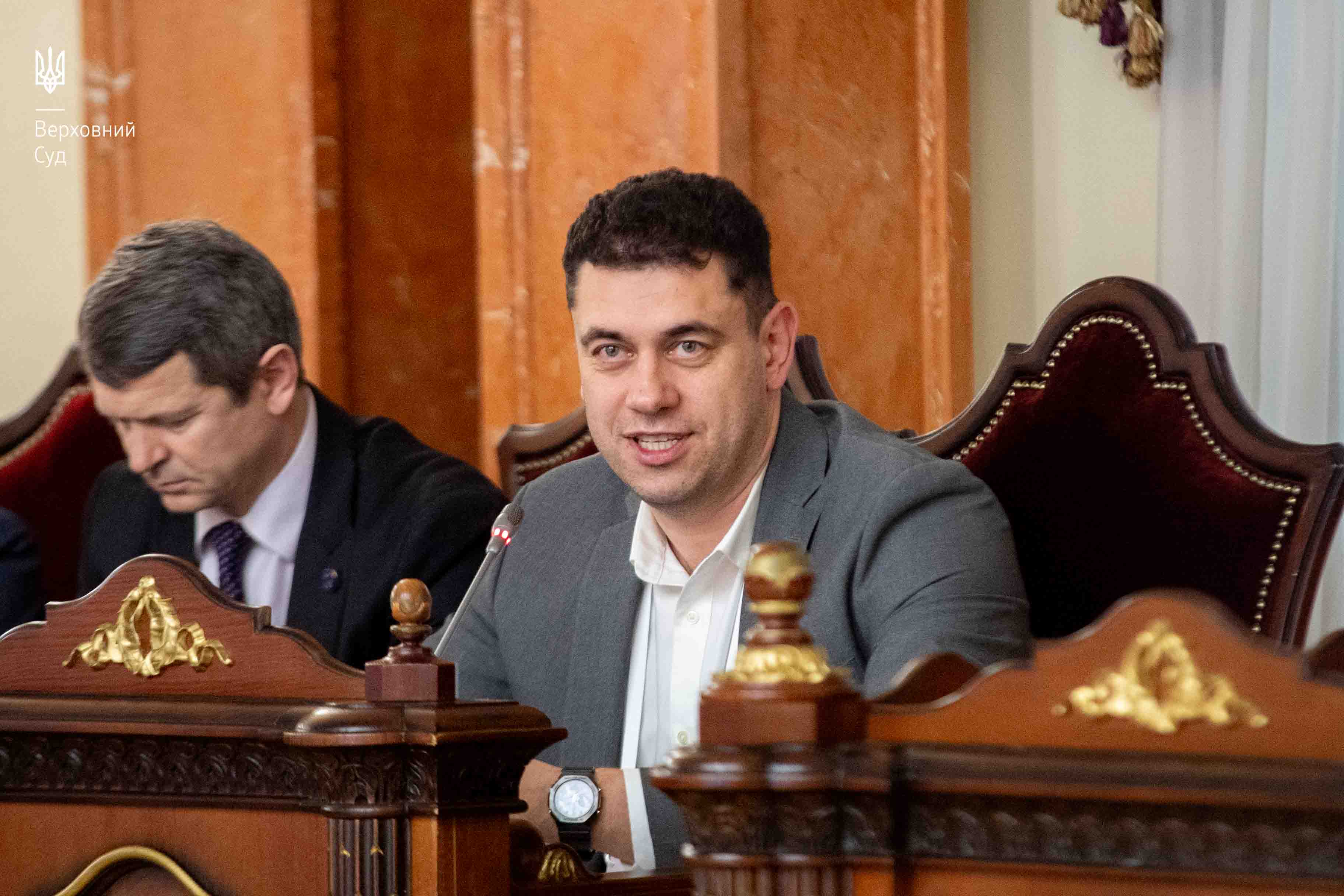
Roman Babii drew attention to the fact that ECtHR judgments have served as a catalyst for systemic legislative changes, particularly in the areas of judicial organization and procedural law. He cited examples such as the constitutional amendments of 2016 and the reform of legislation in response to the ECtHR judgment in Volkov v. Ukraine, the adoption of the new Code of Criminal Procedure in 2012, and the lifting of the moratorium on the circulation of agricultural land in connection with the ECtHR judgment in Zelenchuk and Tsytsyura v. Ukraine. According to him, the implementation of the Convention is reflected not only in the direct application of ECtHR judgments, but also in the legislator’s response to the structural problems identified by the Court.
At the same time, the speaker emphasized the existence of systemic difficulties in the execution of ECtHR judgments, particularly in cases concerning the independence of the judiciary, excessive length of judicial proceedings, and non-enforcement of court decisions against the state. In this context, he also addressed the specifics of implementing the Convention under martial law, including Ukraine’s application of Article 15 of the Convention regarding the possible derogation from certain obligations while respecting the principle of proportionality and continuously aligning with ECtHR case law. The speaker outlined areas of legislative work aimed at improving disciplinary procedures for judges, reducing the length of case consideration, developing e-justice, alternative dispute resolution methods, and reforming the enforcement proceedings system. He stressed that the Convention and ECtHR case law should be viewed as tools for improving Ukraine’s legal system even under emergency conditions.
Prior to Session III, titled “Effective Dialogue between the European Court of Human Rights and the Judiciary of Ukraine: Ways to Improve”, moderated by Nazar Kulchytskyi, Head of the Law Association “Nazar Kulchytskyi and Partners” and National Consultant to the Council of Europe, the keynote speech was delivered by Marharyta Sokorenko, Government Agent before the ECtHR.
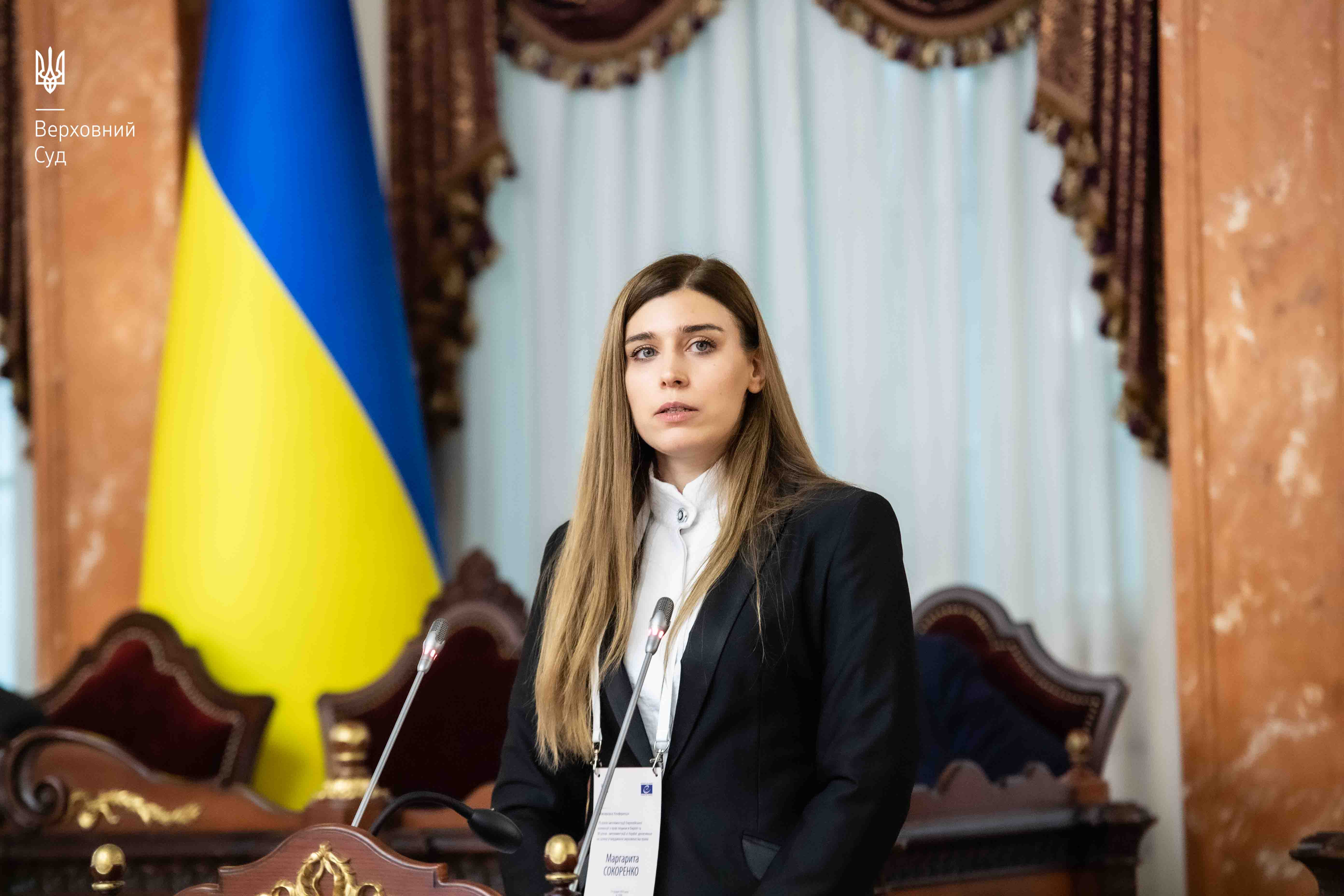
She noted that Ukraine joined the system of the Convention for the Protection of Human Rights and Fundamental Freedoms in 1997 – at a key moment in its statehood. Since then, the provisions of this document and the case law of the ECtHR have served as a guiding star for the transformation of our state.
At the same time, Russia’s war against Ukraine, which continues to this day, has become the most serious test of the state’s ability to ensure the rule of law. The full-scale aggression by the Russian Federation has presented Ukraine with unprecedented challenges. Nevertheless, the protection of human rights remains for Ukraine just as crucial an element as the defence of the country. Our common task is to modernize the legal system and integrate the standards of the Convention even under these most difficult conditions.
The speaker pointed out that since September 11, 1997, when the Convention entered into force for Ukraine, the ECtHR has received over 113,000 applications against Ukraine. The first two complaints were lodged as early as September 19, 1997 – just 8 days after that date. The Court delivered its first judgment against Ukraine in May 1999. Every year, the number of applications filed by Ukrainian citizens with the ECtHR has grown. The highest number of applications against Ukraine was recorded in 2013–2016, after which a certain decline was observed.
Marharyta Sokorenko presented the statistics: in 2021, the ECtHR accepted nearly 3,800 applications against Ukraine for examination; in 2022 — about 2,000. This was clearly linked to Russia’s full-scale invasion. Over the past two years, the number of applications has been increasing again. In 2024, it stood at 2,832 applications. As of November this year, more than 4,500 applications against Ukraine were pending before the ECtHR. The speaker also noted that since the beginning of Russia’s full-scale invasion, approximately 60% of the applications currently pending before the ECtHR relate specifically to these events.
Over the 28 years of the Convention’s application in Ukraine, the ECtHR has identified a number of violations that are systemic in nature and require comprehensive resolution. These include non-enforcement or excessive delay in the enforcement of national court decisions, excessive length of proceedings in civil, criminal, and administrative cases, ill-treatment of persons under state control and the ineffectiveness of investigations into such complaints by law enforcement agencies, inadequate material and living conditions of detention in pre-trial detention facilities and penitentiary institutions, the absence of effective domestic remedies for such complaints, shortcomings in legislation and national and administrative practices of state bodies that lead to prolonged, unlawful or unjustified detention, and others. At the same time, due to Russia’s military aggression against Ukraine, new types of complaints with a new subject matter have emerged, related to the occupation of territories or directly to the context of the war.
The speaker provided more details on several recent cases against Ukraine examined by the ECtHR. In particular, she drew attention to the judgment in the case of Khlebik v. Ukraine. The applicant complained that his appeal against the verdict had not been considered because the case files were located in territory not controlled by Ukraine, in the city of Luhansk . The ECtHR took into account that Ukraine was facing Russian aggression, acknowledged that the national authorities had taken all possible measures to resolve the applicant’s problem (including considering the possibility of restoring the lost case files). Consequently, no violation of Article 6 of the Convention was found.
In the case of Tsezar and Others v. Ukraine, the ECtHR ruled that the applicants’ inability to file lawsuits at their place of residence due to hostilities did not impair the essence of their right of access to court. In this case, the applicants complained, among other things, that they could not receive social payments in non-government-controlled territory and had no access to a court at their place of residence in Donetsk. Marharyta Sokorenko noted that in this judgment the Court not only referred to the context of the war but also assessed the mechanisms created by the state for receiving the relevant payments on government-controlled territory.
The speaker also highlighted the recently delivered judgment in the case of Ryashentseva and Others v. Ukraine, in which the ECtHR declared inadmissible the complaints in which the applicants accused the Armed Forces of Ukraine of allegedly shelling residential areas in temporarily occupied territories. She also cited the ECtHR judgment in the case of Vyacheslavova and Others v. Ukraine concerning the tragic events of May 2, 2014, in Odesa. The ECtHR took into account that at that time some law enforcement officials were partly acting in the interests of Russia and were delaying the investigation. Nevertheless, the Court still found a violation by Ukraine.
As Marharyta Sokorenko noted, despite the significant number of cases against Ukraine in the ECtHR, the country’s successes in executing the Court’s judgments should be recognized. Even during the full-scale war, Ukraine has demonstrated substantial progress in implementing general measures.
Summarizing, the speaker emphasized that the execution of ECtHR judgments and the implementation of the Convention can only be effective through joint efforts by all branches of power.
Judge of the ECtHR Mykola Gnatovskyy stated that dialogue between the ECtHR and the Ukrainian judiciary is the foundation for the successful implementation of the Convention and for establishing Ukraine as a European state that takes the common European legal and constitutional tradition seriously. In this regard, he raised several issues that he considers fundamentally important for ensuring such dialogue.
The speaker spoke about the principle of subsidiarity – a fundamental principle of the Convention. It means that the primary responsibility for ensuring human rights and fundamental freedoms lies with the state, first and foremost with the judiciary. The role of the ECHR is simply to provide the greatest possible support and assistance to the state in complying with the Convention by establishing relevant case law and determining how the state’s primary responsibility for upholding human rights can be put into practice. The key concept here is effective remedies. In other words, the state must have the necessary mechanisms to respond appropriately to any violation of the human rights guaranteed by the Convention. The ECtHR judge emphasized that the judiciary must have the appropriate tools at its disposal.
Mykola Gnatovskyy noted that Ukraine needs to create legislation that clearly defines the procedure for the state to compensate individuals for damage caused by violations of their rights. He said that the Convention establishes a minimum standard of rights protection, while the Constitution of Ukraine goes further and guarantees a higher level of rights. It enshrines the principle that damage must be compensated, and the legislation must be clear and provide unambiguous answers on how such compensation is determined, enabling the relevant state institutions to make such decisions. The state has full discretion as to how exactly it will implement this.
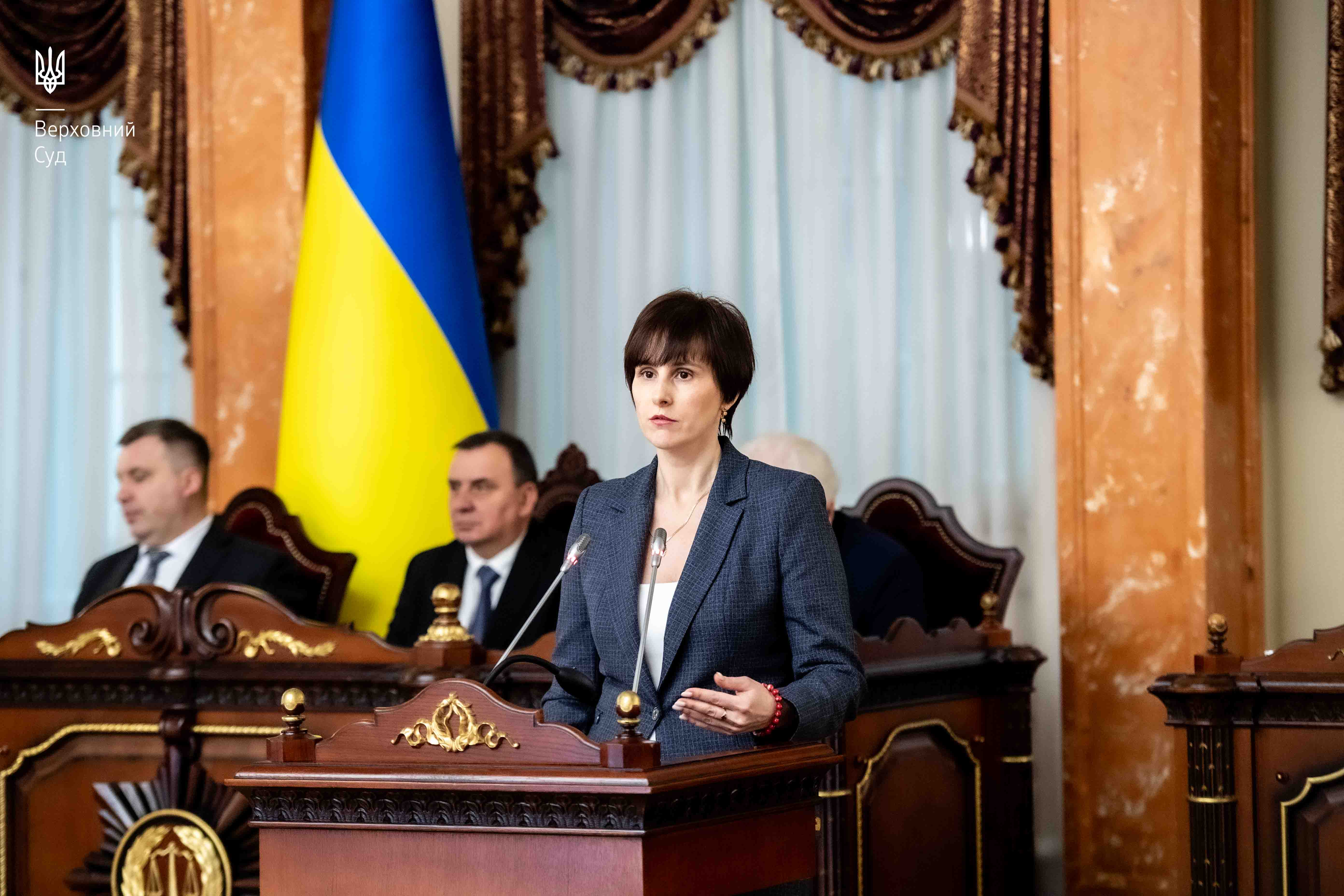
Nataliia Antoniuk, Vice President of the Criminal Cassation Court of the Supreme Court, spoke about the application of the Convention and the case law of the European Court of Human Rights in criminal jurisdiction.
According to her, over the three decades of the Convention’s operation in Ukraine, significant institutional changes have taken place. A substantial number of applications to the ECtHR are declared inadmissible or result in confirmation of the correctness of decisions made by national courts.
“The percentage of complaints declared inadmissible by the ECtHR is an important indicator of the quality of justice. Current statistics give reason to say that Ukraine’s justice system is moving in the right direction,” noted Nataliia Antoniuk.
She pointed out that ECtHR judgments are promptly translated into Ukrainian, systematically analyzed, and used in the formation of legal positions by judges of the Supreme Court.
One example of the application of the Convention in criminal jurisdiction cases was a case concerning the dissemination on social networks of images and materials containing communist symbols.
In his cassation appeal, the applicant referred to freedom of expression and claimed that the criminalization of such actions contradicted European approaches. However, the Criminal Cassation Court of the Supreme Court concluded that the restrictions provided for by national legislation comply with the requirements of the Convention.
The Court proceeded from the fact that the Verkhovna Rada of Ukraine, when adopting the Law of Ukraine “On the Condemnation of the Communist and National Socialist (Nazi) Totalitarian Regimes in Ukraine and the Prohibition of Propaganda of Their Symbols”, implemented the will of society taking into account the historical experience of our state. In Article 4 of this Law, the Ukrainian legislator provided for a large number of cases to which the prohibition does not apply. That is, the state did not establish an absolute ban on the use of totalitarian regime symbols, but took into account a number of factors under which the act does not fall under the said prohibition.
The Criminal Cassation Court also noted that similar prohibitions exist in a number of European countries that have experienced the influence of totalitarian regimes, and the issue of criminalizing such acts falls within the state’s margin of appreciation, taking into account its historical context. Under such circumstances, the Court found no violation of the Convention.
Particular attention in the speech was paid to judicial practice regarding the possibility of refusing military service on the grounds of religious beliefs.
Nataliia Antoniuk noted that the Joint Chamber of the Criminal Cassation Court, when analyzing this issue, relied on the provisions of national legislation, which guarantees the right to alternative (non-military) service in peacetime. At the same time, during martial law, the legislator did not provide for such a right.
Nevertheless, the Court emphasized that when conscripting a person for military service, the state must take their religious beliefs into account as much as possible. In particular, this concerns the possibility of performing duties not related to carrying weapons (in communications, logistics, medicine, or other support specialties).
In forming its position, the Criminal Cassation Court of the Supreme Court also relied on the conclusions of the Venice Commission, drawing attention to the existence of a special public need in the conditions of Russia’s armed aggression against Ukraine and the necessity of ensuring proportionality of interference with human rights. It was noted that the ECtHR has not yet developed case law regarding military service during martial law.
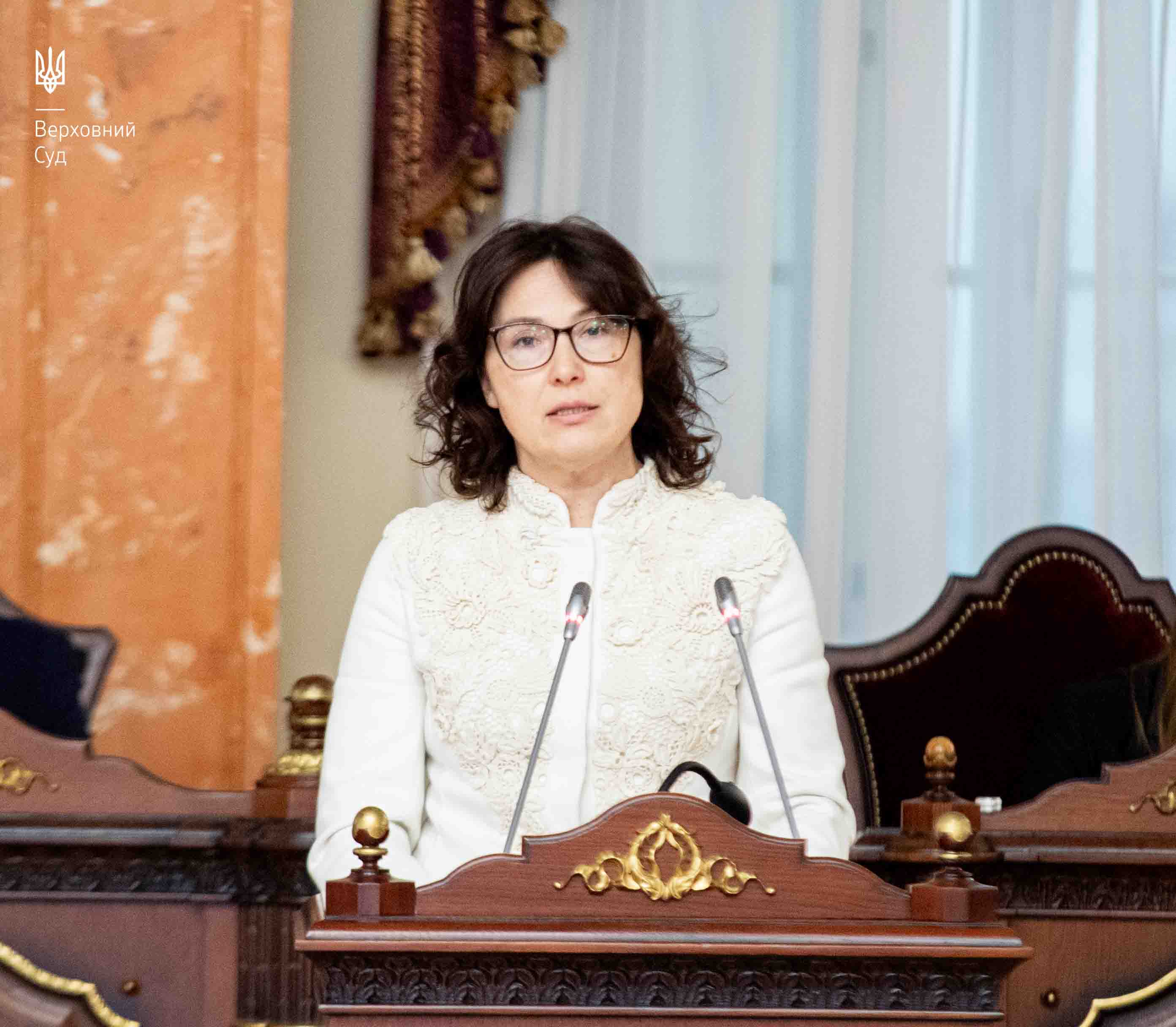
Olha Stupak, Judge of the Civil Cassation Court of the Supreme Court, noted that today, when Europe is facing Russia’s brutal unprovoked aggression, we feel especially acutely the value of the principles on which our common European home is built. Respect for human dignity, freedom, democracy, and the rule of law are not just words – they are the ideals we are fighting for. Today, Ukraine is defending not only its own land but also shared European values.
In this struggle, the rule of law becomes not an abstraction, but the daily mission of every Ukrainian judge. Despite extremely difficult conditions, rocket attacks, and staff shortages, we continue to administer justice. In such times, dialogue between the European Court of Human Rights and national courts is critically important – a dialogue that helps us implement best practices for the effective protection of human rights, the speaker emphasized.
In her speech, the speaker focused on one of the most sensitive topics – the application of Article 8 of the Convention when resolving family disputes. She noted that for Ukrainians, the family has always been sacred. Today, the war has separated millions of families, and in these realities, the protection of family life takes on sacred significance. Therefore, any interference by the state in this sphere must be exceptional, proportionate, and, most importantly, motivated solely by the best interests of the child.
Olha Stupak pointed out that the path of national courts toward modern standards began with key ECtHR judgments, in particular the cases of Saviny v. Ukraine and Mamchur v. Ukraine. The judge also recalled the judgments in the cases of M. S. v. Ukraine and Vyshnyakov v. Ukraine, which established the principle of absolute equality of rights between mother and father and became a guideline for national courts in determining a child’s place of residence.
The speaker emphasized that the Supreme Court consistently follows these ECtHR principles, insisting that courts of first and appellate instance conduct a thorough examination of the possibilities of preserving family ties, involve psychologists, hear the child’s own opinion, and ensure adversarial proceedings. We are moving away from formalism toward genuine care for every family, the judge stressed.
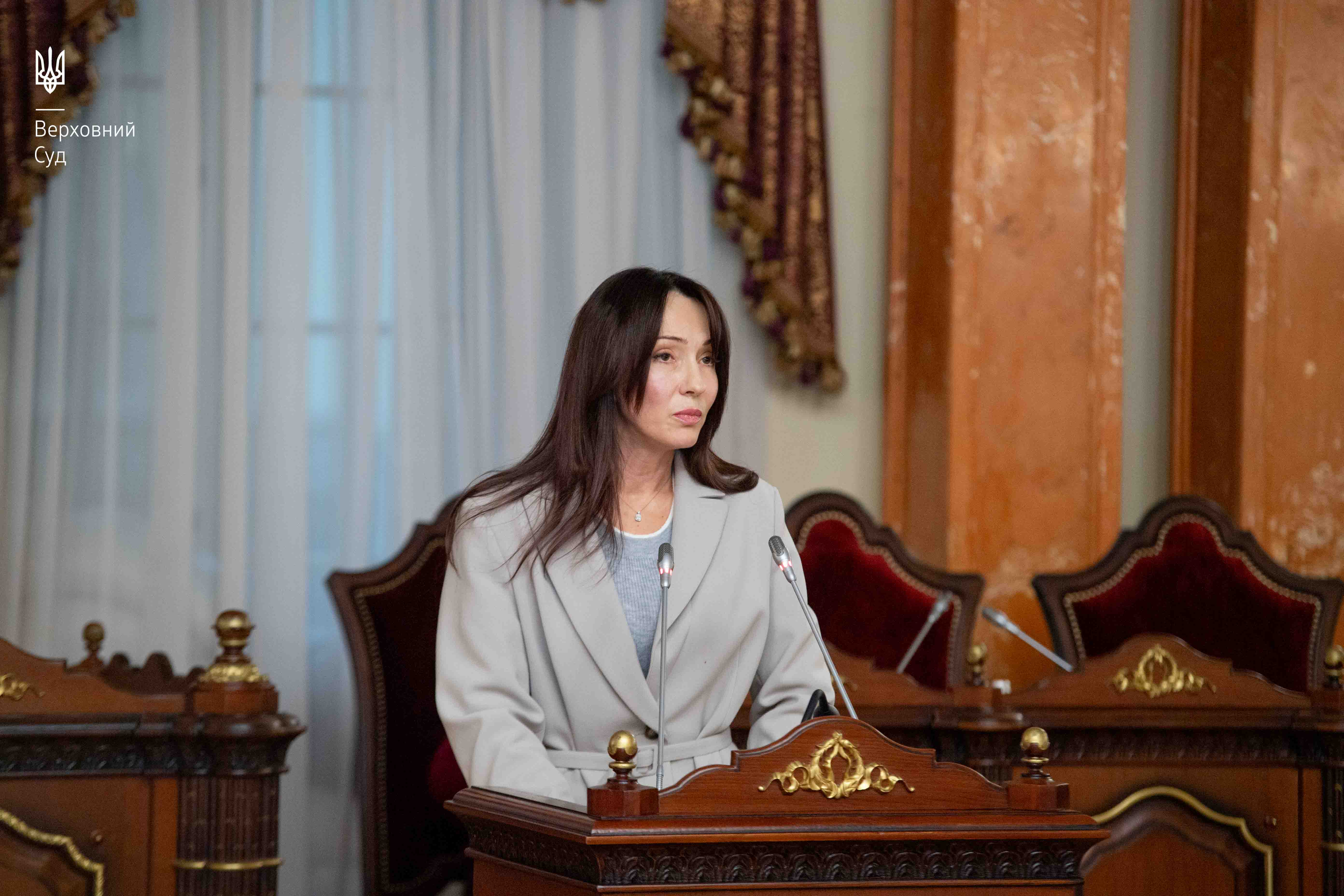
Nataliia Kovalenko, Judge of the Administrative Cassation Court of the Supreme Court, delivered a keynote speech titled “War and the New Legal Reality” during the third thematic session. According to her, when implementing the Convention, we must clearly understand the legal reality in which we live. Today, Ukraine is undergoing an extremely difficult test of the maturity of its legal state and the resilience of its institutions. We are forced to answer a complex and grim question: does a person have real access to court when the state finds it most difficult to ensure it? Martial law has posed unprecedented challenges to the judicial system. How to ensure access to justice during air attacks? Can proceedings remain fair when the parties are at the front line or in occupation?
The speaker noted that, as of 2025, 161 court buildings have been damaged and 19 have been completely destroyed as a result of Russian armed aggression. The regions that suffered the greatest losses are Kharkiv, Donetsk, and Mykolaiv. Unfortunately, we have suffered irreparable losses among our colleagues, some judges are missing, and some are defending the country with weapons in their hands. Despite everything, the courts have not stopped working. On the contrary, the judicial system has found itself at the centre of new categories of disputes, and the Supreme Court has developed important legal positions regarding:
The speaker highlighted that in 2025, the Supreme Court for the first time submitted a request for an advisory opinion to the ECtHR in a case concerning the removal of obstacles to the use of housing, based on Articles 6, 8, and 9 of the Convention. Also, in December this year, the Administrative Cassation Court of the Supreme Court initiated a request for interpretation of Article 1 of Protocol No. 1 to the Convention regarding the proportionality of financial sanctions in tax disputes. According to Nataliia Kovalenko, this demonstrates a transition from formal citation of the Convention to active dialogue.
The judge also drew attention to cases in which the ECtHR positively assessed Ukrainian practice:
Today, Ukrainian courts are increasingly applying ECtHR case law in a systematic and critical manner, particularly on the reasoning of decisions. This indicates a shift from formal citation to meaningful implementation of the Convention in national justice. Nataliia Kovalenko emphasized that the Supreme Court systematically prepares thematic reviews of ECtHR case law. These materials analyze key judgments, highlight problematic issues of Convention interpretation, and explain their significance for Ukrainian judicial practice.
Nataliia Kovalenko also provided a detailed analysis of the current case law of the Supreme Court in light of Articles 6, 10, 13, and 41 of the Convention, as well as Article 1 of Protocol No. 1 and Article 2 of Protocol No. 4 to the Convention, relying on relevant ECtHR judgments. In particular, the cases No. 320/11903/22, No. 440/4399/22, No. 640/34282/21, No. 280/7366/23, No. 320/14498/24, and No. 400/8389/21 were examined. The mentioned judicial practice covers both substantive and procedural aspects.
Summarizing, Nataliia Kovalenko noted that in seeking answers to the question of Ukraine’s unwavering compliance with the Convention, the realities of war, systemic staff shortages, and limited funding must be taken into account. Of course, this cannot serve as an excuse, but the context is important. It is worth remembering that every year Ukrainian courts of all instances and jurisdictions hear over 5 million cases. The ratio of this number to the number of complaints declared admissible by the ECtHR is a significant proportion. Ukrainian judges continue to prove to the world that even under unprecedented security threats, they are capable of ensuring proper judicial protection, the judge emphasized.
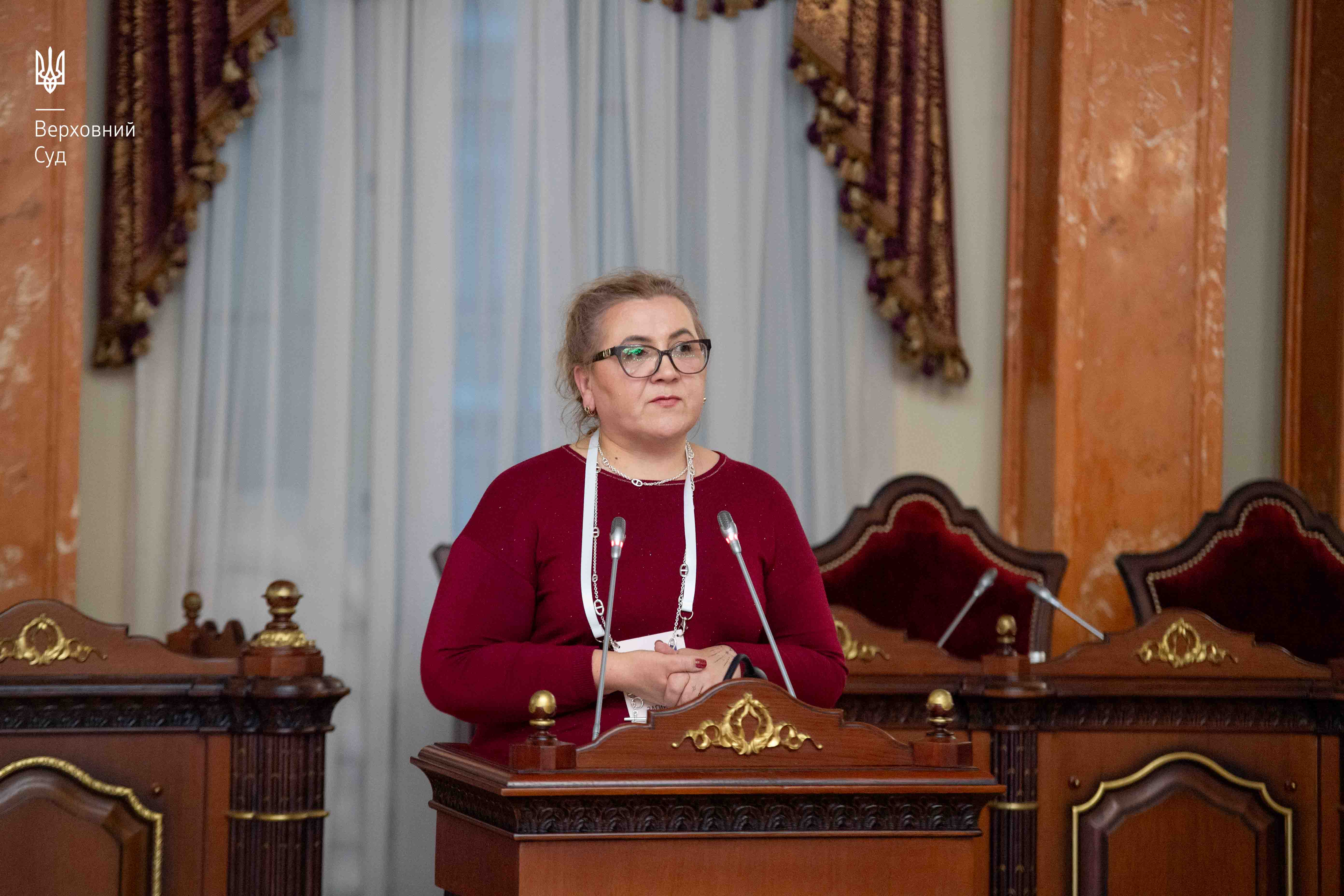
Zoia Zahynei-Zabolotenko, Head of the Department of Criminal Law, Criminology and Judicial System Issues at the V. M. Koretsky Institute of State and Law of the National Academy of Sciences of Ukraine and expert of the Ukrainian Bar Association project “Monitoring of Court Proceedings and Analysis of Court Decisions in War Crimes Cases (under Article 438 of the Criminal Code of Ukraine)”, presented the results of the project dedicated to monitoring court proceedings in war crimes cases and analyzing verdicts under Article 438 of the Criminal Code of Ukraine.
She informed the audience that since October 2023, the project has attended more than 2,000 court hearings in 608 unique criminal cases under Article 438 of the Criminal Code of Ukraine and has examined 171 verdicts available in the Unified State Register of Court Decisions as of December 2025. Although more than 200,000 proceedings for war crimes have been registered in Ukraine, the speaker noted that the number of court decisions already allows conclusions to be drawn regarding compliance with the standards of the European Convention on Human Rights. The speaker also highlighted significant progress in the development of judicial practice and approaches to hearing such cases, emphasizing that the judiciary has made tremendous efforts to ensure fair justice that meets international standards.
In addition, Zoia Zahynei-Zabolotenko focused on the problem of uncertainty in criminal legislation. According to her, the analysis of verdicts indicates difficulties in distinguishing between war crimes (Article 438 of the Criminal Code of Ukraine) and crimes against the foundations of national security (high treason, collaborative activity).
In conclusion, the expert noted that despite certain shortcomings, every identified problem can be resolved at the next stages of the development of judicial practice under Article 438 of the Criminal Code of Ukraine. We are already observing positive dynamics both in the course of court hearings and in the content of verdicts and decisions of appellate courts. This is the result of the judiciary’s efforts aimed at improving the qualifications of judges in this category of cases.
At the end of the event, the participants took part in a discussion during which they addressed a number of pressing issues. In particular, they paid attention to the timeframes and effectiveness of judicial protection, as well as the reasoning of decisions under conditions of excessive and uneven workload on judges. They analyzed the ECtHR position in the case of LLC "Ukrkava" v. Ukraine and its key signals for the legal system and society. They also raised the issue of national-level compensation mechanisms and discussed whether any cases of pressure on judges in criminal proceedings had been recorded during monitoring visits.
_03_03.png)