Contact center of the Ukrainian Judiciary 044 207-35-46
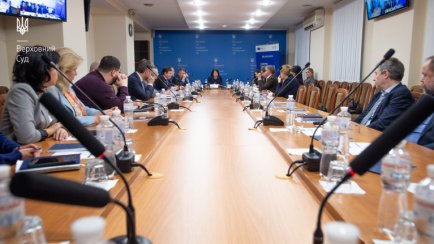
On December 11, 2025, the Commercial Cassation Court within the Supreme Court, together with the EU Project Pravo-Justice, held an event dedicated to discussing the main provisions and practical application of Regulation (EU) 2015/848 on insolvency proceedings, as well as presenting its Ukrainian translation. The discussion was attended by judges of commercial courts of all three instances, representatives of state authorities, the legal community, and scholars.
The President of the Commercial Cassation Court within the Supreme Court, Larysa Rohach, delivered opening remarks to the participants. First of all, she emphasized the importance of discussing the provisions and practical application of Regulation (EU) 2015/848 on insolvency proceedings.
The judge highlighted the relevance of the topic of cross-border insolvency for Ukraine, given the growing economic ties and the development of cooperation in the field of insolvency. She also noted that the adaptation of Ukrainian legislation to EU law is a key element of European integration. In particular, as of January 1, 2025, amendments to the Code of Ukraine on Bankruptcy Procedures entered into force, introducing the preventive restructuring procedure in line with Directive 2019/1023, which aims to prevent insolvency at an early stage. According to the President of the Commercial Cassation Court, this procedure is already being applied in practice – there are first court cases and the first preventive restructuring plan has been approved.
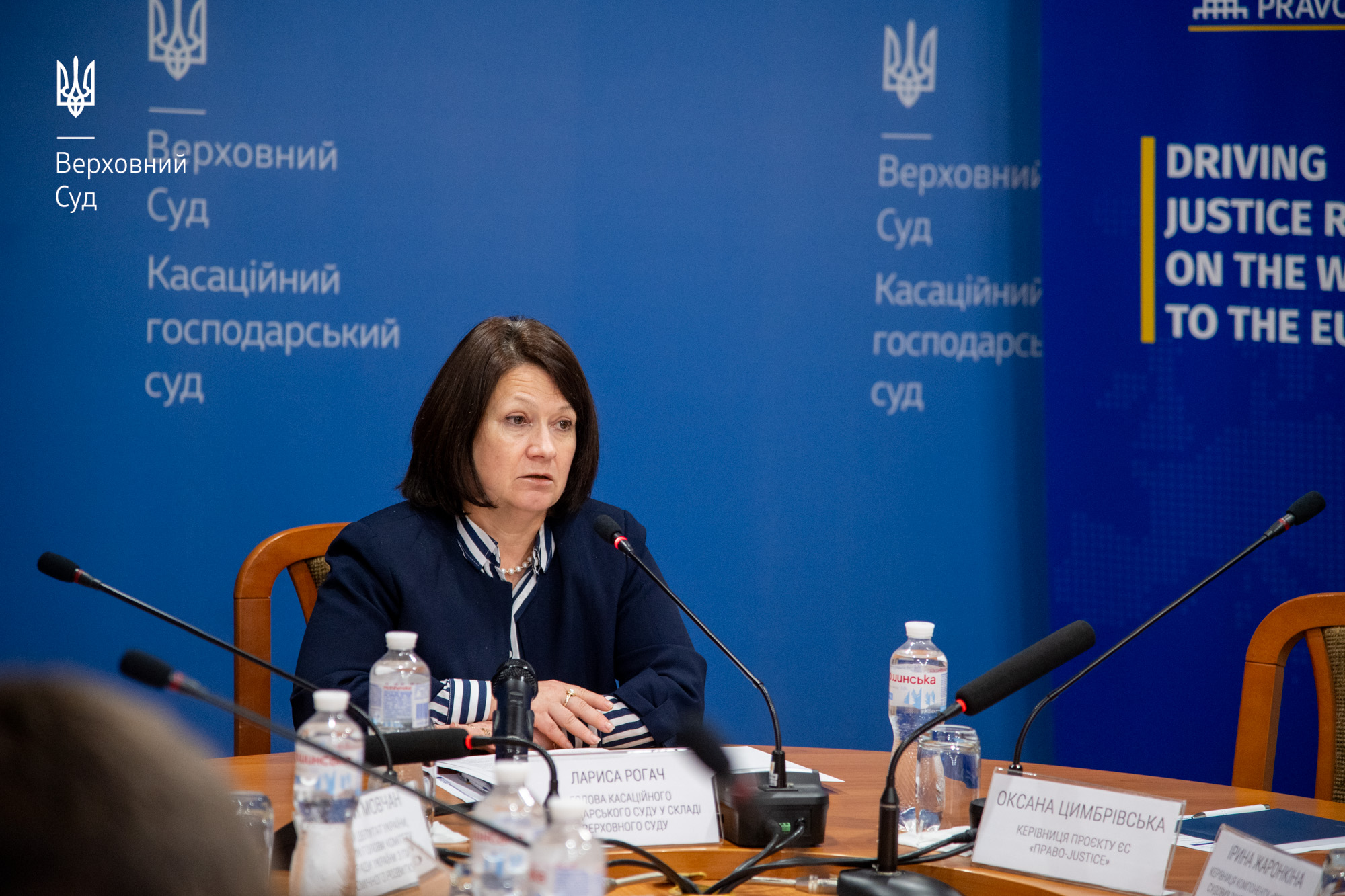
Larysa Rohach also stressed the importance of Regulation (EU) 2015/848 for shaping a modern approach to cross-border insolvency and the significance of presenting its Ukrainian translation. She thanked the EU Project Pravo-Justice for its support and acknowledged the active involvement of judges of the Judicial Chamber for Bankruptcy Cases of the Commercial Cassation Court within the Supreme Court in working on the text. She expressed confidence that a high-quality translation will contribute to a uniform understanding of its provisions among judges, insolvency practitioners, attorneys, and scholars, and will become a step toward unifying law enforcement practice. In conclusion, the President of the Commercial Cassation Court drew attention to the relevance of further legislative initiatives and thanked all participants for their contribution to the development of practice.
Deputy Chair of the Committee on Economic Development of the Verkhovna Rada of Ukraine Oleksii Movchan, in his welcoming address, noted the effective interaction with the judiciary and highlighted the importance of preventive restructuring, which has already demonstrated practical effectiveness. He pointed out that further adaptation of Ukrainian legislation to EU standards requires systematic cooperation and exchange of experience, as Ukraine’s path toward EU membership demands alignment not only of formal norms but also of institutional functioning. The speaker emphasized the key role of discussing issues related to the enforcement of court decisions, which is directly linked to guarantees of property rights, creditor protection, and the establishment of the rule of law.
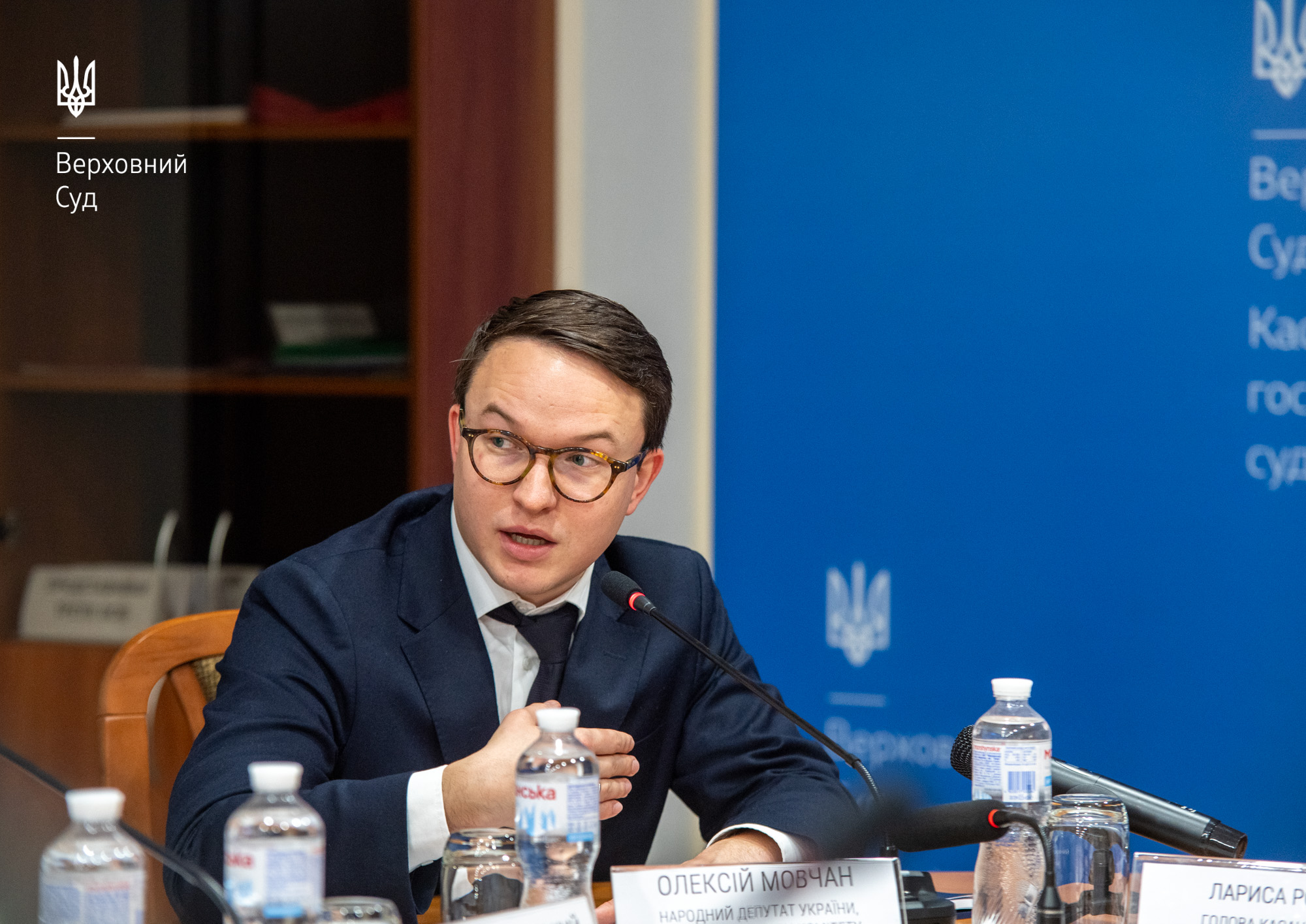
During his speech, Oleksii Movchan also emphasized the critical importance of high-quality interaction between the legislative and judicial branches of power. He pointed out that adopting norms without taking into account their practical implications can significantly complicate their subsequent application. Thanking the EU Project Pravo-Justice and Expertise France for their long-term support of reforms, he noted that it was precisely the systematic approach, gradual implementation, and professional discussion that enabled substantial progress in bankruptcy and corporate law legislation over the past decade. In his view, only this kind of approach ensures the emergence of effective and viable legislation that is both aligned with Ukrainian realities and compliant with EU standards.
In her address, Oksana Tsymbrivska, Head of the EU Project Pravo-Justice, highlighted the many years of consistent cooperation with the Supreme Court, the Ministry of Justice of Ukraine, and the Parliament in improving insolvency procedures. She stressed that the project’s work is not limited to technical expertise; its primary goal is to help build a modern and efficient insolvency system fully aligned with European standards. According to the speaker, one of the key ongoing priorities remains supporting Ukraine in implementing the EU Preventive Restructuring Directive, further refining the Code of Ukraine on Bankruptcy Procedures, and analyzing the application of personal insolvency procedures – which have already proven effective even under wartime conditions.
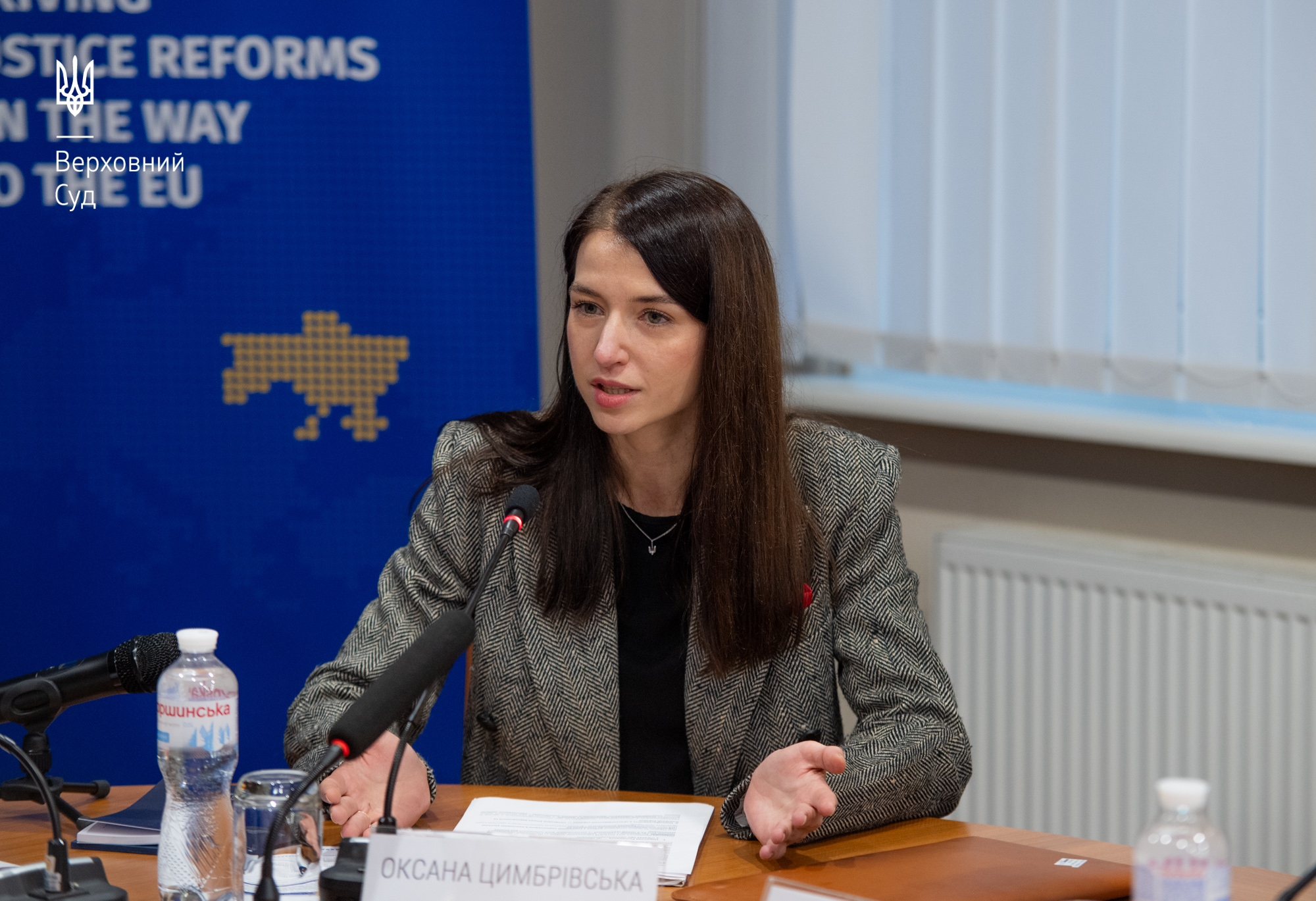
Oksana Tsymbrivska noted that the Ukrainian translation of the EU Regulation on cross-border insolvency proceedings is an important practical tool for judges, insolvency practitioners, and lawyers. It enables them to work directly with the authentic text, align terminology consistently, and avoid divergent interpretations. She drew particular attention to the special relevance of this topic for Ukraine during wartime, when both individuals and legal entities are relocating assets abroad, creating risks of jurisdictional conflicts. In her opinion, the quality and consistency of law application will largely depend on the courts – an area that the European Commission scrutinizes with particular attention. In conclusion, she stated that the translation is only the first step; the next crucial task will be training judges and insolvency practitioners to ensure uniform and correct application of the Regulation in Ukraine.
Mykhailo Mykievych, Head of the Department of European Law at Ivan Franko National University of Lviv, addressed the participants by underscoring that Ukraine faces two interconnected key tasks: winning the war and achieving European integration. He stressed that deeper integration into the EU will both accelerate the end of the war and support the country’s further recovery. One of the fundamental criteria for EU accession, he said, is the establishment of the rule of law, where the performance of the judicial system serves as the main indicator of a state’s readiness to adopt European standards. In this context, he highlighted the leadership role of the Supreme Court, which has already consistently applied EU legal acts and judgments of the Court of Justice of the European Union in its case law.
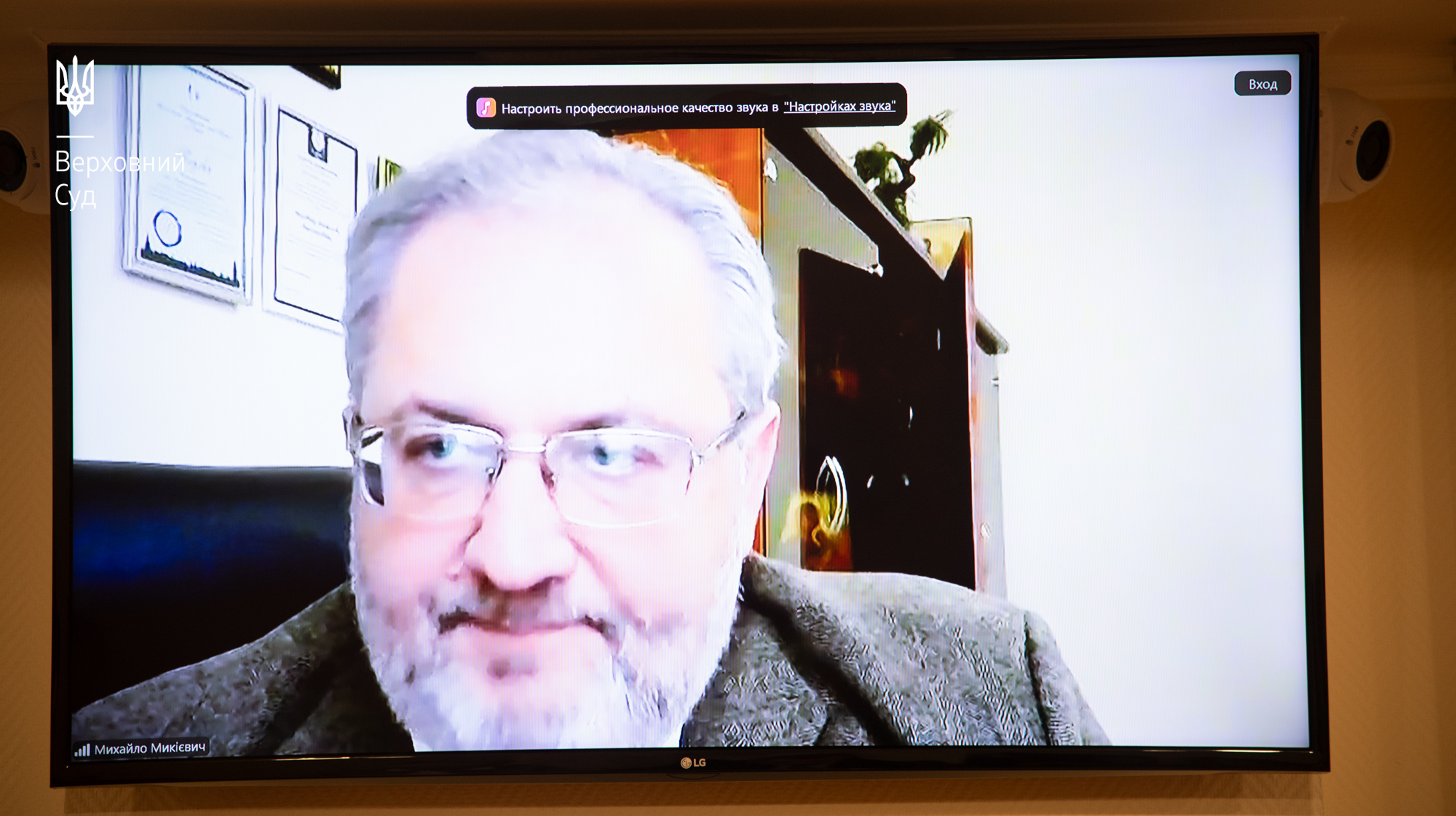
Mykhailo Mykievych also drew attention to the initiative of the Commercial Cassation Court of the Supreme Court in preparing a high-quality Ukrainian translation of one of the key EU regulations in the field of economic civil turnover. He emphasized the importance of this achievement both for practitioners and for the educational process in higher education institutions. He expressed gratitude to the editors, the Ministry of Justice of Ukraine, and the partners of the EU Project Pravo-Justice for supporting the work that contributes to building a proper understanding of European law. Concluding his speech, the speaker stressed that, with such professional cooperation and the active engagement of judges, Ukraine’s European integration can become a fully achievable prospect.
Oleh Vaskovskyi, Secretary of the Judicial Chamber for Bankruptcy Cases of the Commercial Cassation Court of the Supreme Court, also addressed the participants with welcoming remarks. He outlined the key reasons behind the creation of the Ukrainian translation of EU Regulation 2015/848 and the preparations for further scientific, practical, and legislative initiatives in the field of insolvency. The judge noted that the work on the translation was a logical continuation of the active application of European insolvency law norms in law enforcement practice, where questions are already beginning to outnumber answers. The speaker thanked the EU Project Pravo-Justice for supporting this initiative.
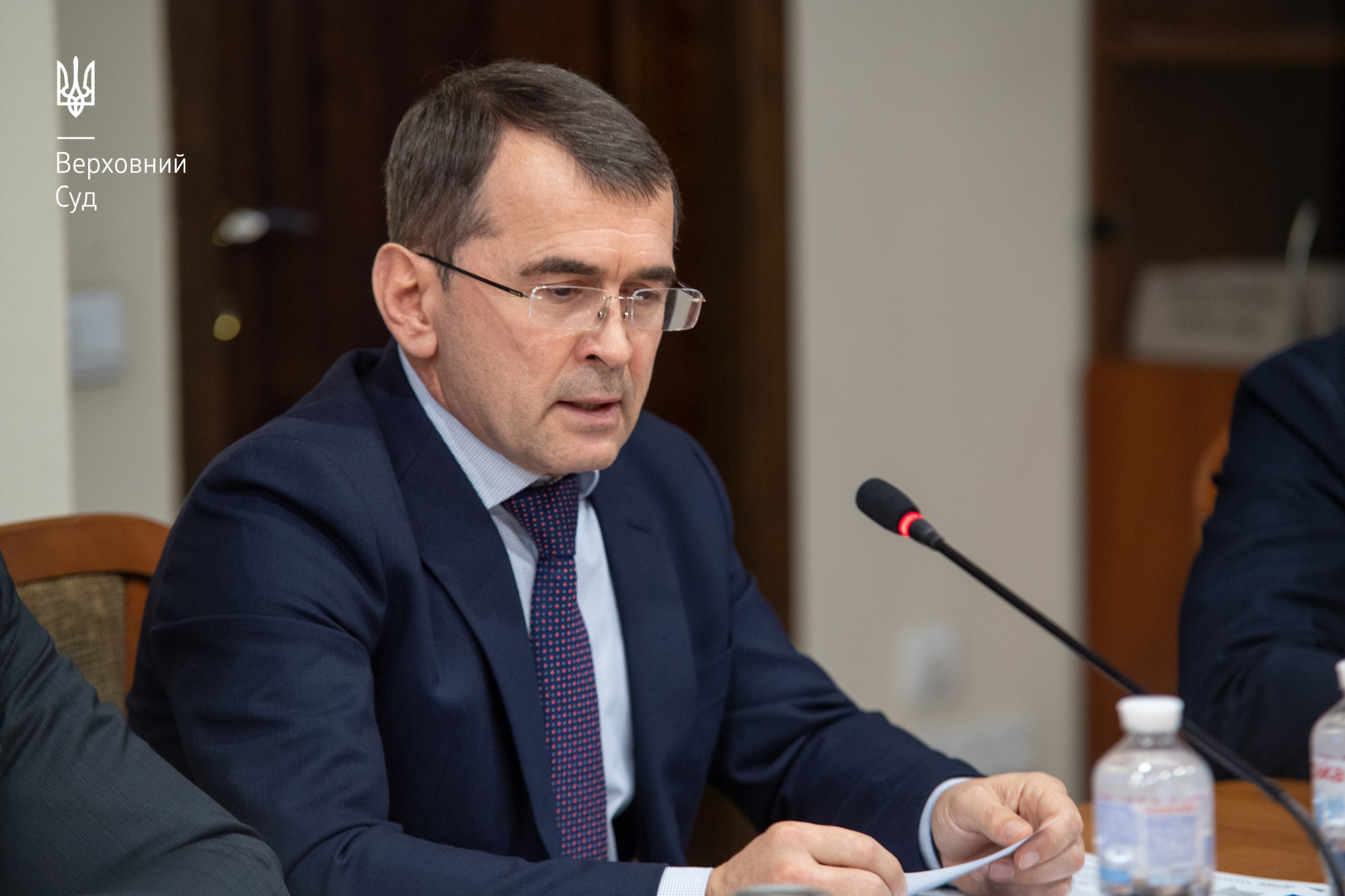
Oleh Vaskovskyi then focused on the content of the Regulation and its significance for Ukraine. He highlighted that the document introduces a number of concepts, approaches, and models of jurisdiction coordination in cross-border insolvency proceedings that are new to the national legal system – including measures to prevent “forum shopping” (the so-called bankruptcy tourism within the European Union). He pointed out that certain elements of this Regulation have already been partially reflected in the Code of Ukraine on Bankruptcy Procedures, but require deeper alignment with European standards. Ensuring access to the Regulation’s provisions in the Ukrainian language, the Secretary of the relevant Judicial Chamber emphasized, is an essential prerequisite for further adapting Ukraine’s economic and legal environment to the EU, as well as for developing an adequate level of legal understanding and effective law application in the area of cross-border insolvency.
The subsequent discussion was moderated by Iryna Zharonkina, Component Lead on Enforcement of Court Judgments and Property Rights Protection, EU Project Pravo-Justice. She thanked the initiators of the Ukrainian translation of the EU Regulation and underscored the importance of this document finally becoming available, as it had long remained outside official translations, which had made its use in Ukraine significantly more difficult. She noted that the preparation of the translation provided an opportunity for comprehensive reflection on the state of cross-border insolvency – from analyzing the regulatory framework and judicial practice to discussing the position of the Ministry of Justice of Ukraine and involving the academic community. The moderator emphasized the need for inter-institutional dialogue and steered the discussion toward the practical application of the Regulation in Ukrainian realities.
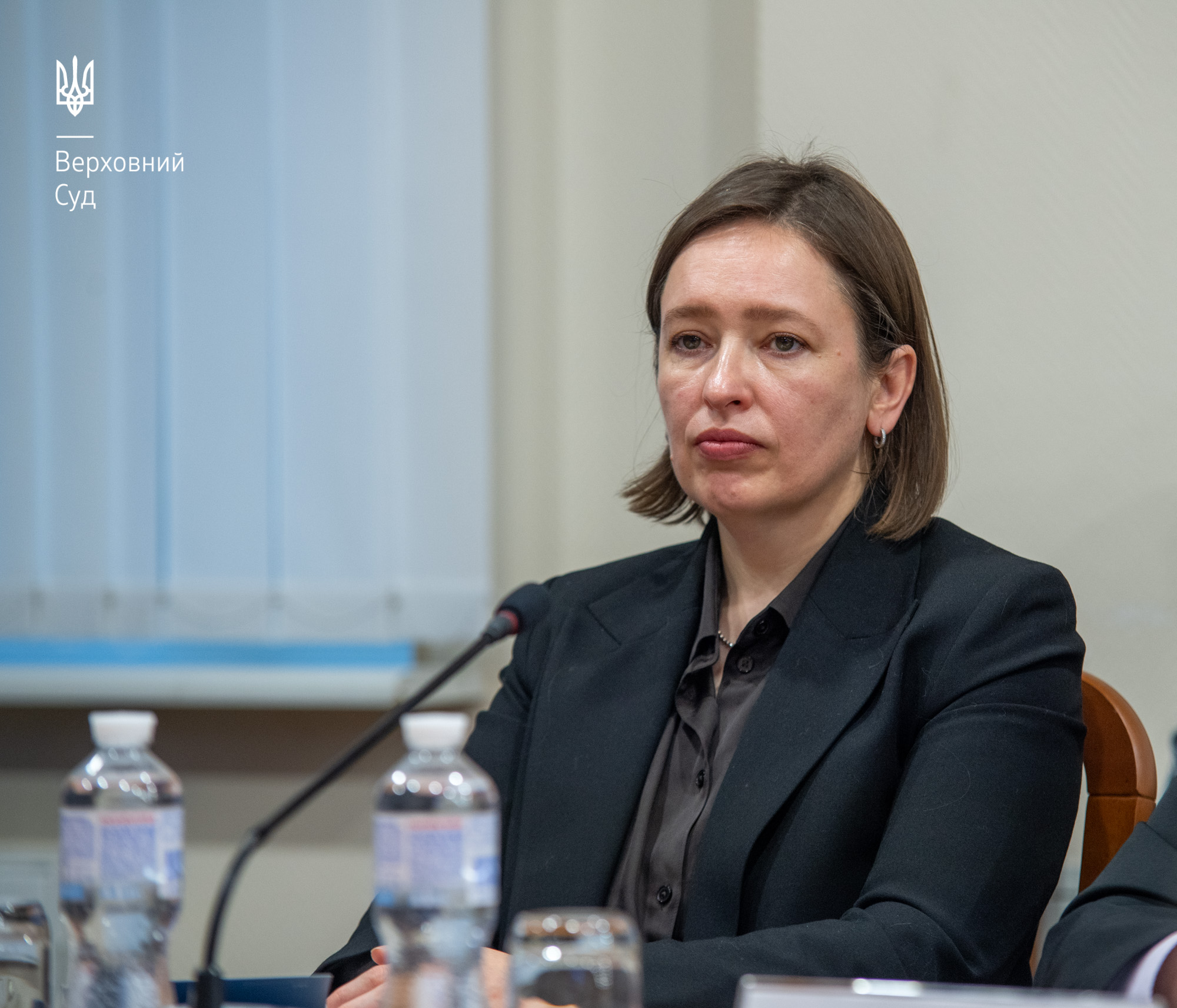
Judge of the Commercial Cassation Court of the Supreme Court Volodymyr Pohrebniak described the current state of normative legal regulation of cross-border insolvency in Ukraine, outlining the existing legislative framework, existing gaps, and problematic aspects. Judge of the Commercial Cassation Court of the Supreme Court Viacheslav Pieskov spoke about current judicial practice in cases involving a cross-border element and the prospects for applying the provisions of the Regulation once it is implemented in Ukraine. Director of the Bankruptcy Department of the Ministry of Justice of Ukraine Serhii Donkov focused on the practical aspects of recognizing foreign insolvency proceedings in Ukraine and the prospects for adapting national legislation to European standards in this area. Professor of the Department of Private International Law at the Institute of International Relations of Taras Shevchenko National University of Kyiv Oleksandr Biriukov presented international approaches to the regulation of cross-border insolvency, highlighting best practices of EU member states and the possibilities for their adaptation in Ukraine.
The speakers concentrated on key issues of legal regulation of cross-border insolvency, current challenges, and the need to develop predictable mechanisms and procedures that comply with European standards.
The event became an important step in ensuring a uniform understanding of the provisions of Regulation (EU) 2015/848 and in supporting the further harmonization of Ukrainian legislation and practice in the field of insolvency with the standards of the European Union.
The event was also attended by Supreme Court Judge in the Commercial Cassation Court Serhii Zhukov, Head of the Department Providing Operation Support to the Bankruptcy Chamber of the CommCC of the Supreme Court Svitlana Koltsova, Head of the Department for Analytical Assistance to Judges of the Department for Analytical and Legal Work of the CommCC of the Supreme Court Oksana Zahatska, and Head of the Office for Support of the Secretary and Judges of the Judicial Chamber of the Commercial Cassation Court Liudmyla Kononets.
Reports on all speakers’ presentations during the discussion titled “Regulation (EU) 2015/848 on Insolvency Proceedings: Understanding and Application” will be published later on the Supreme Court’s information resources.
_03_03.png)