Contact center of the Ukrainian Judiciary 044 207-35-46
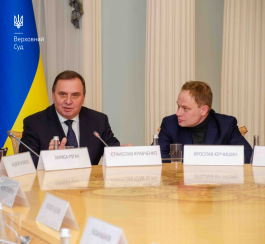
Freedom of speech is undoubtedly a fundamental value of a democratic society. At the same time, alongside this right stands an equally important principle – the independence of the judiciary. Maintaining a balance between these two elements of the rule of law remains one of the key challenges today in the area of relations between courts and society.
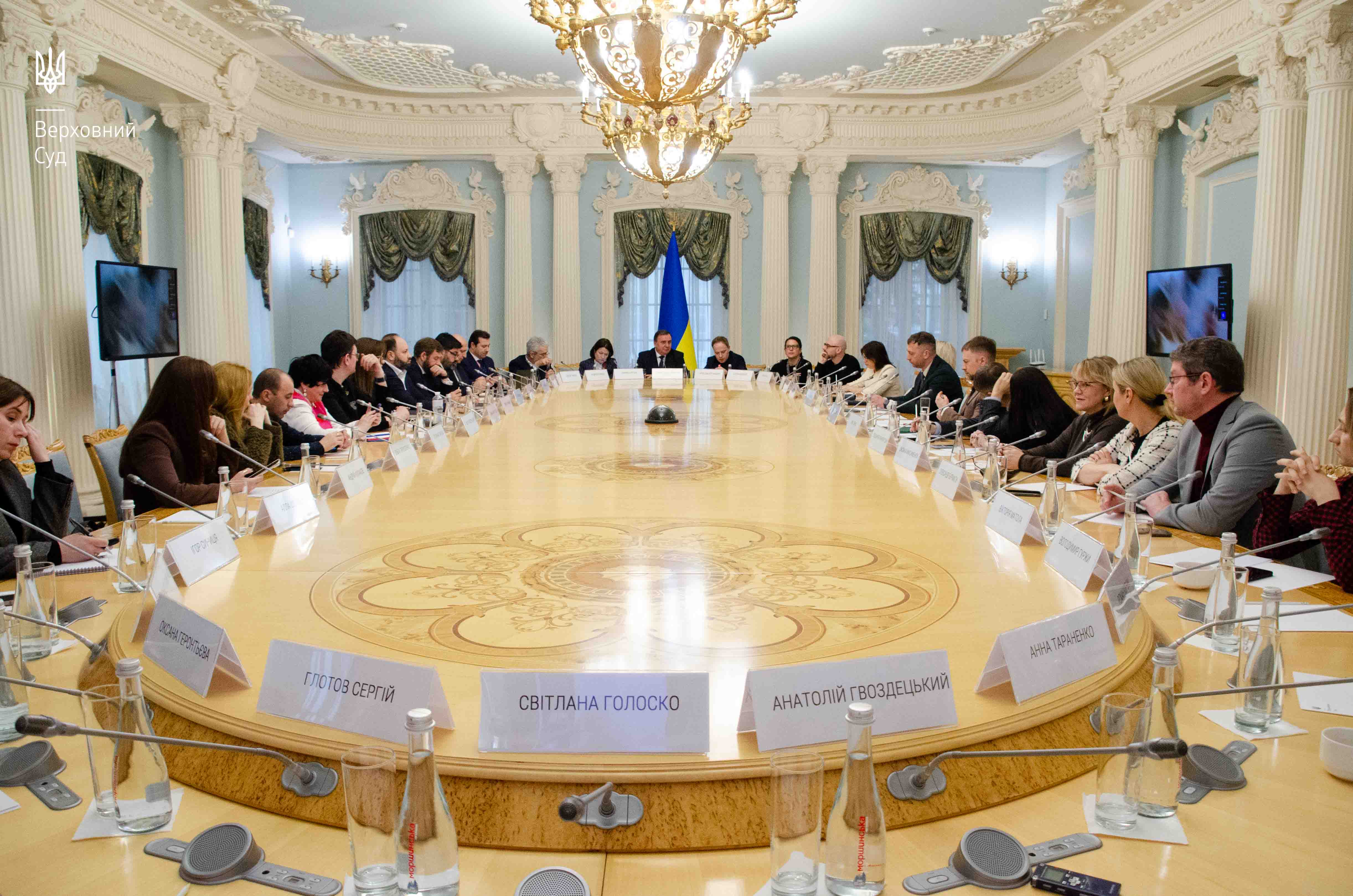
This was noted by the President of the Supreme Court, Stanislav Kravchenko, during the roundtable discussion “Interaction Between the Judiciary and the Media”, organised by the Supreme Court in cooperation with the OSCE Project Coordinator in Ukraine.
The President of the Supreme Court also pointed out that the image of the judiciary in the eyes of the public is largely shaped through the lens of individual negative incidents, while positive examples of judges’ work, unfortunately, remain far less visible. At the same time, judges are not indifferent to public assessment of their activities, and even with strict adherence to the principle of independence, informational pressure cannot pass completely without leaving an emotional trace.
Negative rhetoric about the judiciary in the media significantly influences public sentiment. It shapes public opinion, which in turn leads to new waves of calls for judicial reform that create additional difficulties for the entire system instead of strengthening it.
According to the President of the Supreme Court, under the conditions of full-scale war, the judicial system has managed to maintain stability, ensure proper access of citizens to justice, and guarantee the continuity of the administration of justice. This deserves positive public recognition, as it is an important indicator of the system’s resilience and ability to function even in crisis conditions.
At the same time, courts are making efforts to establish dialogue with society in response to its demand for maximum transparency in the administration of justice. Both on their own initiative and with the help of the media, courts explain the logic behind their decisions, the reasons and preconditions for the formation of certain judicial practice on various issues, and so on.
In conclusion, Stanislav Kravchenko emphasised that such discussions involving judges and representatives of the journalistic community are primarily intended to promote the establishment of constructive dialogue, the coordination of ways to resolve problematic issues of interaction, and the building of cooperation based on mutual respect and mutual understanding.
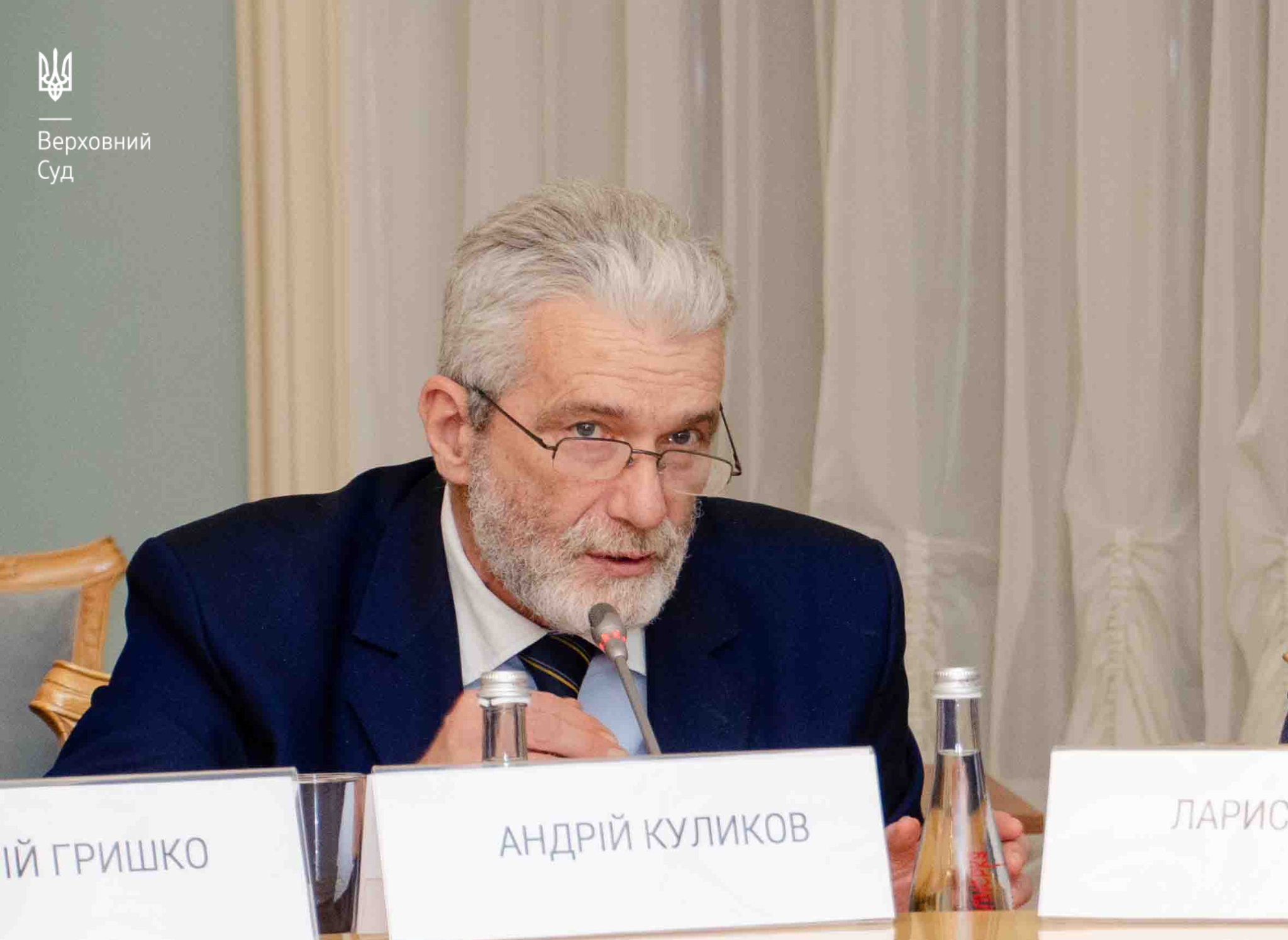
The event was moderated by Andrii Kulykov, Chairman of the Commission on Journalistic Ethics, journalist, editor, television and radio presenter, and media expert, together with Serhii Hryshko, Chairman of the Procedural Law Committee of the Ukrainian Bar Association. As the moderators noted, the purpose of the discussion was to find a balance between covering matters of significant public interest and preserving judicial independence as well as the authority of the judiciary.
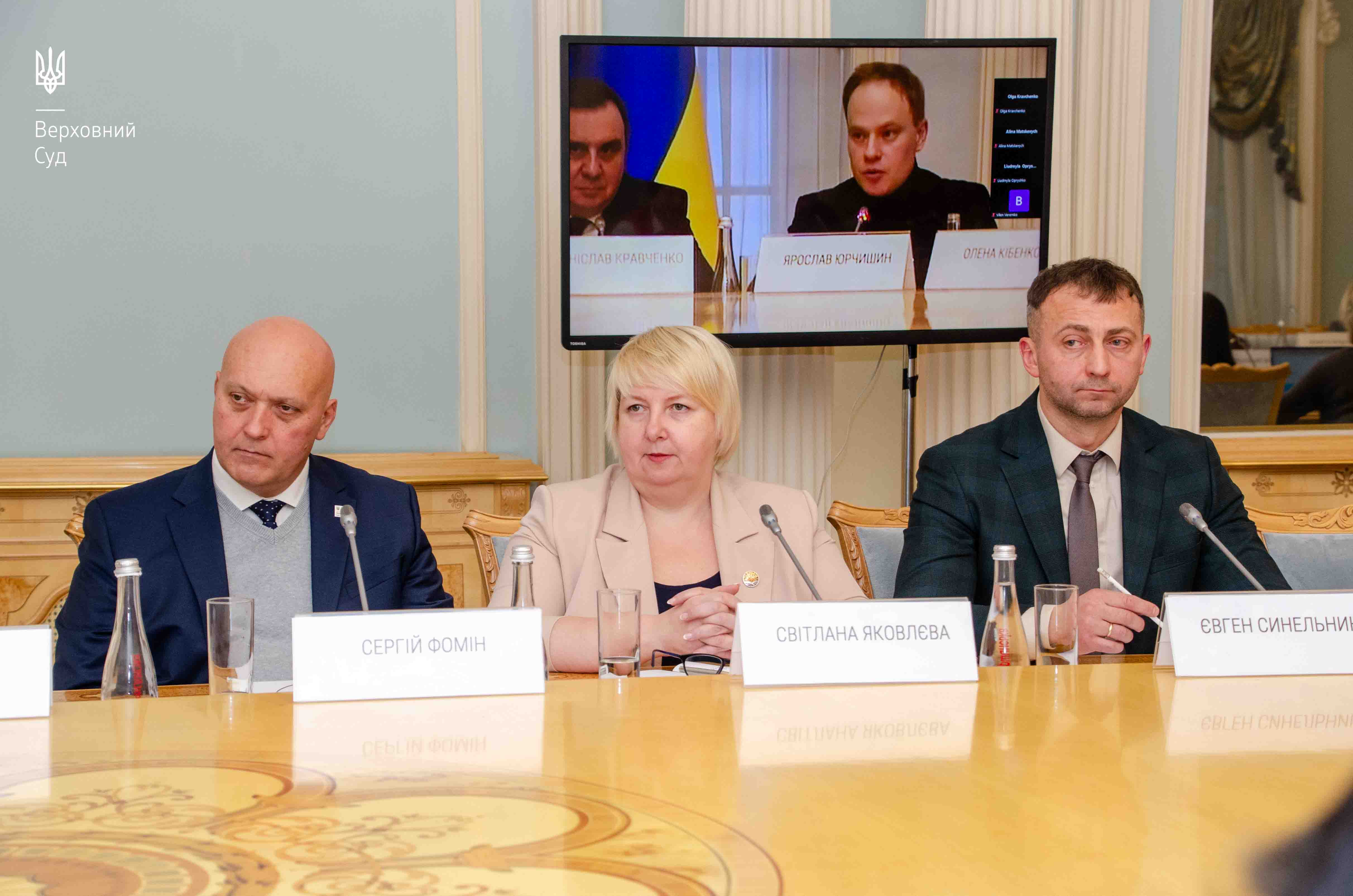
Yaroslav Yurchyshyn, Chairman of the Verkhovna Rada Committee on Freedom of Speech, emphasised: “If the court does not speak about itself, dissatisfied voices will speak for it”. He argued that if courts do not proactively communicate about themselves, do not explain problems, challenges, threats, and achievements, then negative narratives will dominate the information space. According to him, Ukraine is now moving towards proactive (offensive) communication: courts are beginning to speak not only when silence is no longer an option, but in advance – to explain plans, directions, decisions, and prospects.
Yaroslav Yurchyshyn pointed out that journalists, like the rest of society, are equally interested in a fair judiciary that guarantees the absence of pressure on the media and the peaceful resolution of conflicts. Communication does not solve problems by itself, but it creates the conditions under which challenges can be addressed more effectively. Therefore, in order for society to understand the judicial system, effective communication must be established.
Larysa Rohach, President of the Commercial Cassation Court within the Supreme Court, stressed that society must have access to proper and reliable information about the activities of the judicial branch of power, since citizens’ perceptions of the work of state institutions are largely shaped by the quality of that information. In her view, the mass media play a key role in realising this right. At the same time, she cautioned that the dissemination of inaccurate information can distort public perception of the judiciary and create risks for the stability of state mechanisms – especially under current conditions.
Larysa Rohach highlighted that over recent years the Ukrainian judicial system has made substantial progress in openness, access to information, and interaction with the media, even surpassing the recommendations set out in CCJE Opinion No. 7 (2005). Nevertheless, she noted the risk of spreading inaccurate (incomplete or distorted) information, a risk that is amplified by the absence of unified mechanisms for its regulation.
In addition, the President of the Commercial Cassation Court drew attention to mutual challenges in the interaction between courts and the media: journalists do not always understand the specifics of judicial work, while judges are not always able to explain complex legal issues in simple terms. For this reason, she said, it is important to create opportunities for obtaining comments from all sides and to improve the quality of work done by judge-speakers and journalists alike – in particular through joint training initiatives. Such measures would help make legal reporting more accurate, and the information itself more accessible and understandable to the public. Larysa Rohach expressed her conviction that these kinds of initiatives can improve the quality of communication and strengthen public trust in the justice system.
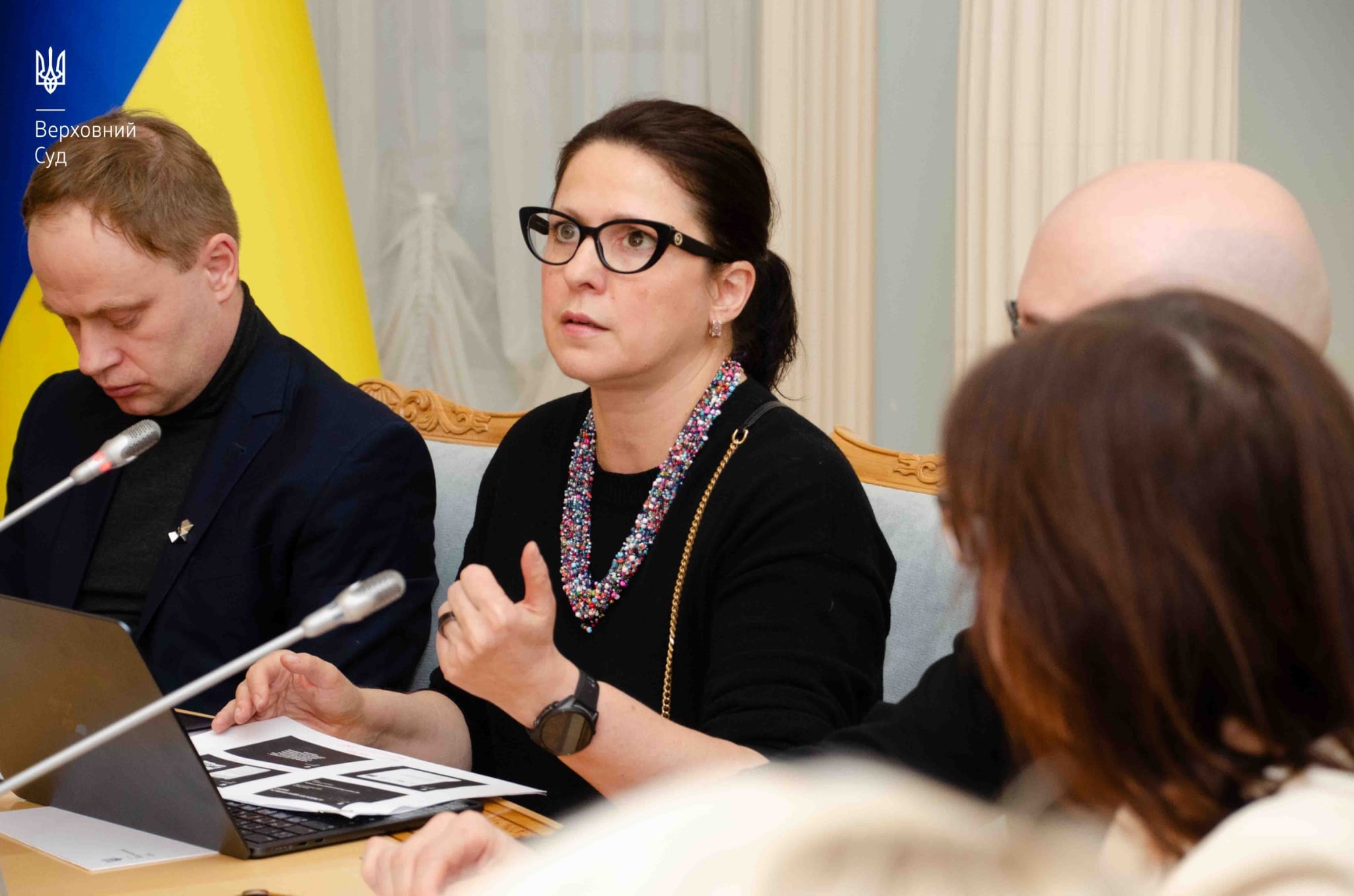
Judge of the Supreme Court in the Commercial Cassation Court, Olena Kibenko, spoke about specific cases of information attacks on judges and the experience of responding to them. According to her, such attacks can pursue various objectives: to create informational noise around a case in order to pressure the judge, to discredit an individual judge or even the entire institution, and ultimately to undermine public trust in the judicial system as a whole. Among the hallmarks of an information attack, she mentioned categorical conclusions, emotionally charged language, and the absence of objective analysis of the positions of all parties involved. In Olena Kibenko’s opinion, when a judge submits a statement to the High Council of Justice regarding pressure, such publications should be evaluated for compliance with standards of judicial journalism – in particular, whether the publication presents the position of the other party and of the court, and whether independent experts were involved in preparing the material.
At the same time, the judge noted that a significant volume of unreliable information is currently being disseminated through anonymous Telegram channels, and the perception of such materials as credible creates additional risks for judges and intensifies overall pressure on the judicial system.
Hlib Husiev, deputy editor-in-chief of the publication Babel, pointed out that the majority of media coverage is driven by objective public interest: conflict situations attract readers far more than, for example, issues of judicial reform. He explained that the outlet he represents adheres to information coverage standards: fact-checking, presenting the positions of both sides, and relying on expert analysis when examining the substance of a situation.
“But the stricter your standards, the more you lose in the competitive struggle, because complying with standards takes more time. As a result, anonymous Telegram channels or competitors who do not follow standards are the first to publish information - often in the form of emotionally charged messages,” said Hlib Husiev. He also noted that today’s media space is saturated with propaganda that relies primarily on emotional presentation. Barriers to such trends in the work of a publication include the establishment of strict public standards in order to build trust between journalists and sources/spokespersons. Another important element is the introduction of safeguards in journalistic practice – the main one being the clear definition of the boundary of public interest that must not be crossed so as not to cause harm.
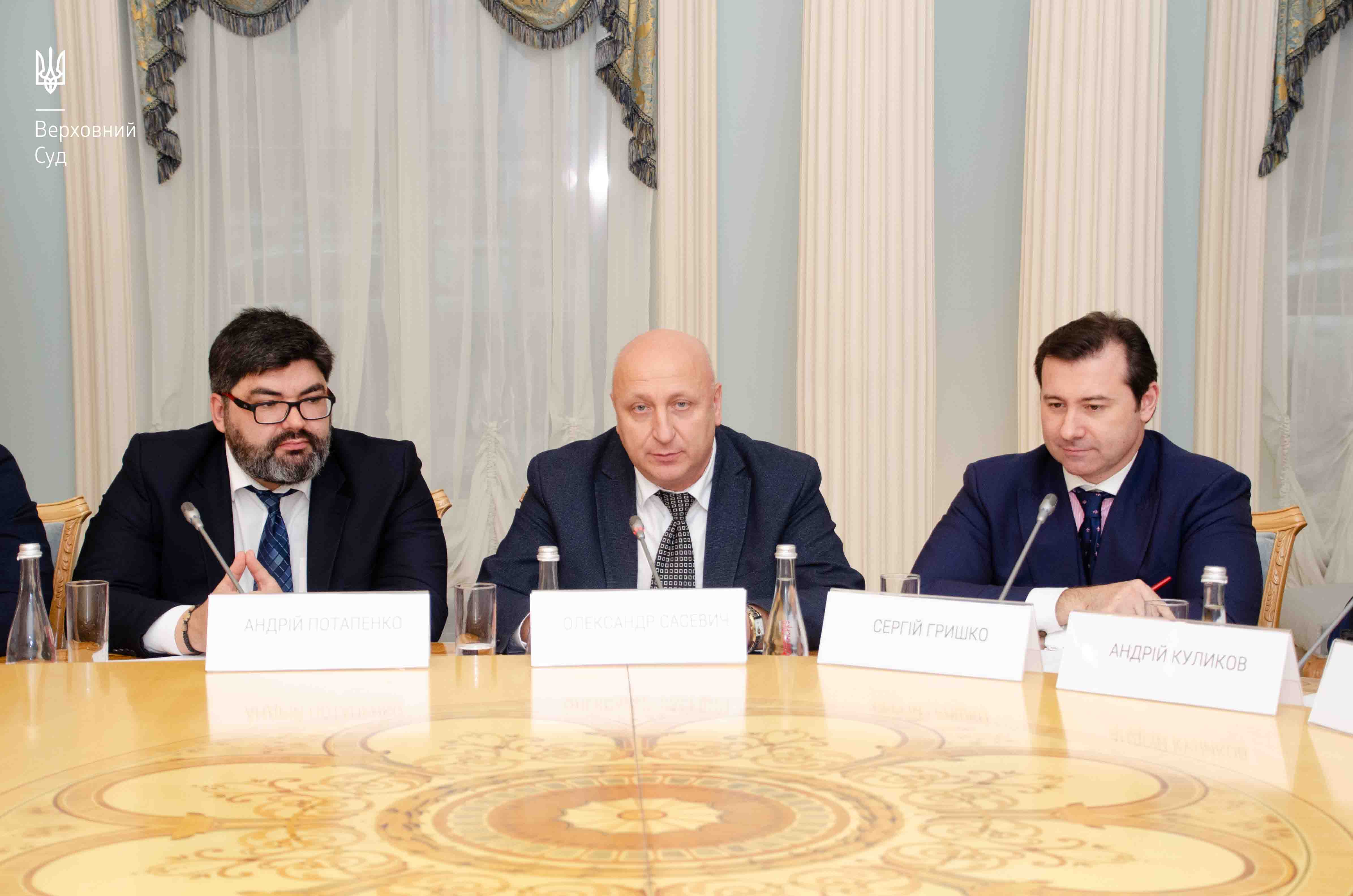
Oleksandr Sasevych, member of the High Council of Justice, emphasised that ensuring the purity, objectivity, and truthfulness of disseminated information, as well as managing the consequences of its dissemination, is a shared responsibility of both representatives of the judicial system and journalists. In this way, we shape the state and society. He also mentioned that, according to exit polls conducted outside courthouses, trust in the courts is increasing precisely among those who have actually used judicial services. At the same time, the low level of trust among the general public is largely formed under the influence of the information space.
Oleksandr Sasevych also reported that decisions of the High Council of Justice are published very promptly on official resources. “We strive to ensure that information comes directly from the source,” he added.
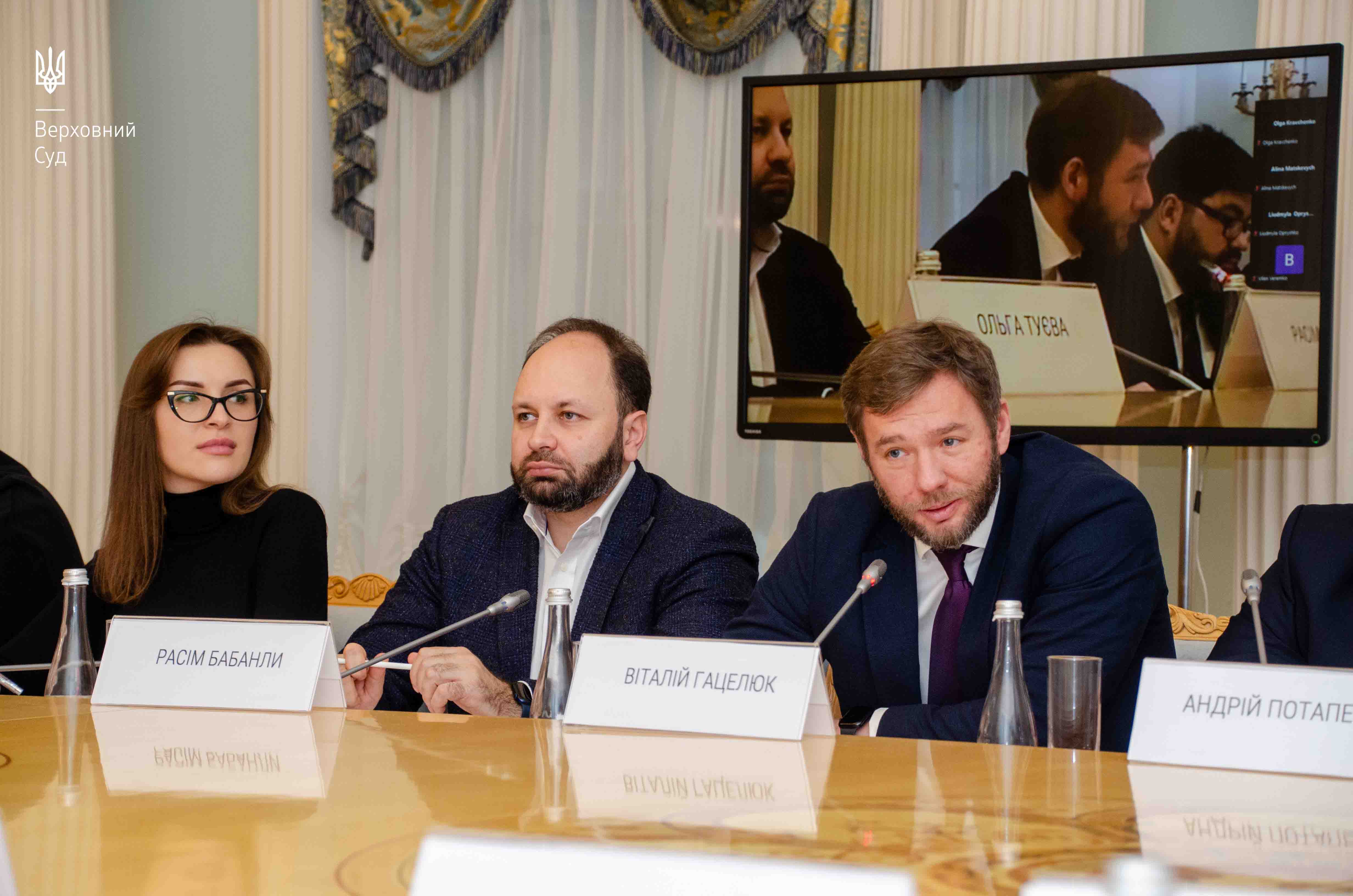
Vitalii Hatseliuk, member of the High Qualification Commission of Judges of Ukraine (HQCJ), spoke about the experience of openness in the Commission’s procedures. He noted that the HQCJ broadcasts all judge selection procedures and interviews with candidates for judicial positions live on its own YouTube channel. Such live broadcasts help increase public trust in the judicial system. At the same time, he pointed out the challenge of properly structuring this enormous volume of information, deciding how long it should remain publicly available, and maintaining a reasonable balance between openness and judicial independence.
Andrii Potapenko, member of the Council of Judges of Ukraine, spoke positively about the introduction and development of the judge-speaker institution in Ukraine in the context of improving interaction between courts and the media. He also informed participants that the Council of Judges is working on communication recommendations for courts – for example, Guidelines on the Communication of Judicial Proceedings and Decisions in War Crimes Cases.
Andrii Potapenko emphasized that establishing effective communication in the judicial sphere is also a matter of European integration. The Rule of Law Roadmap includes a provision that envisages the development and approval of a communication strategy for judicial authorities.
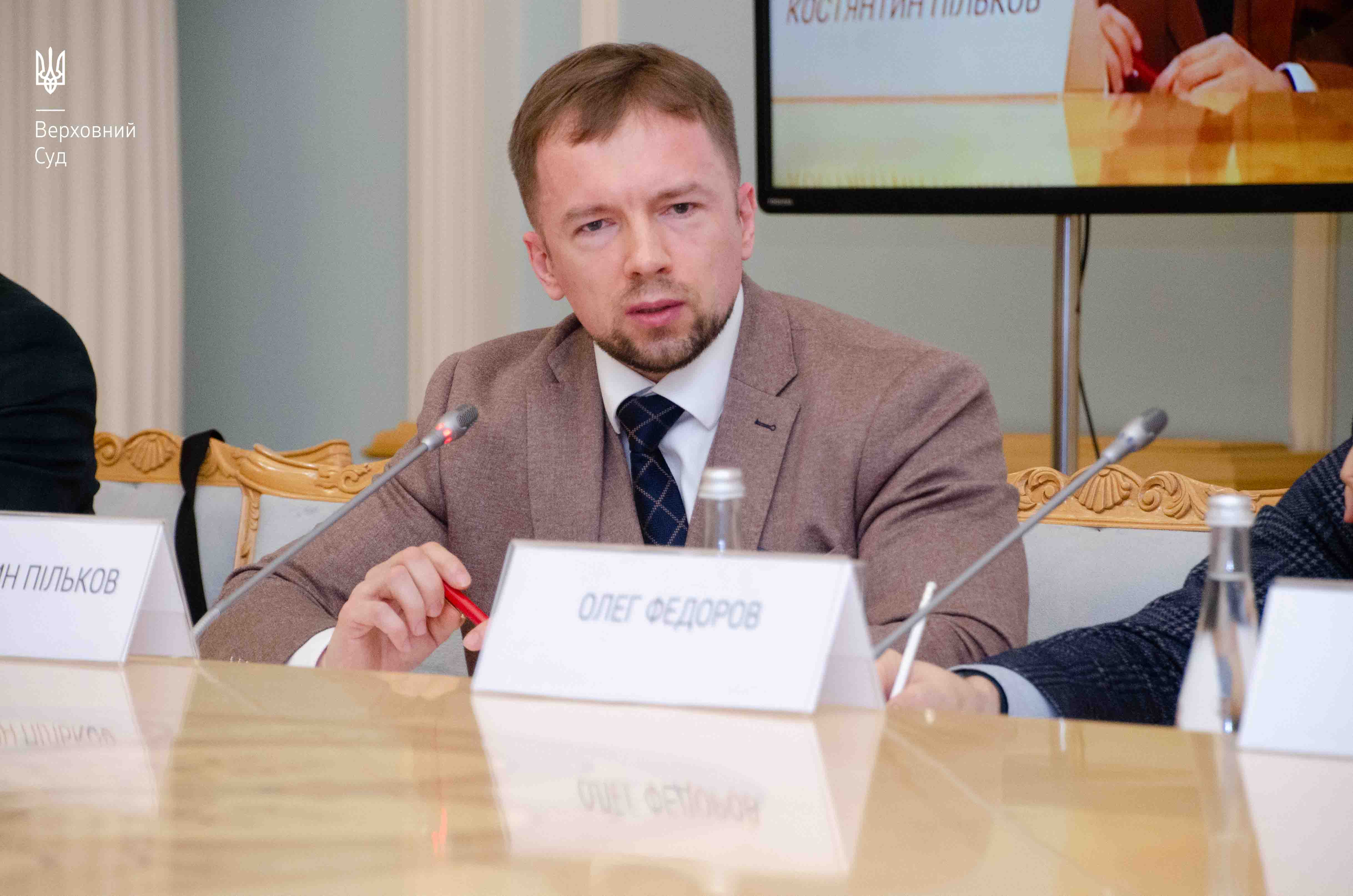
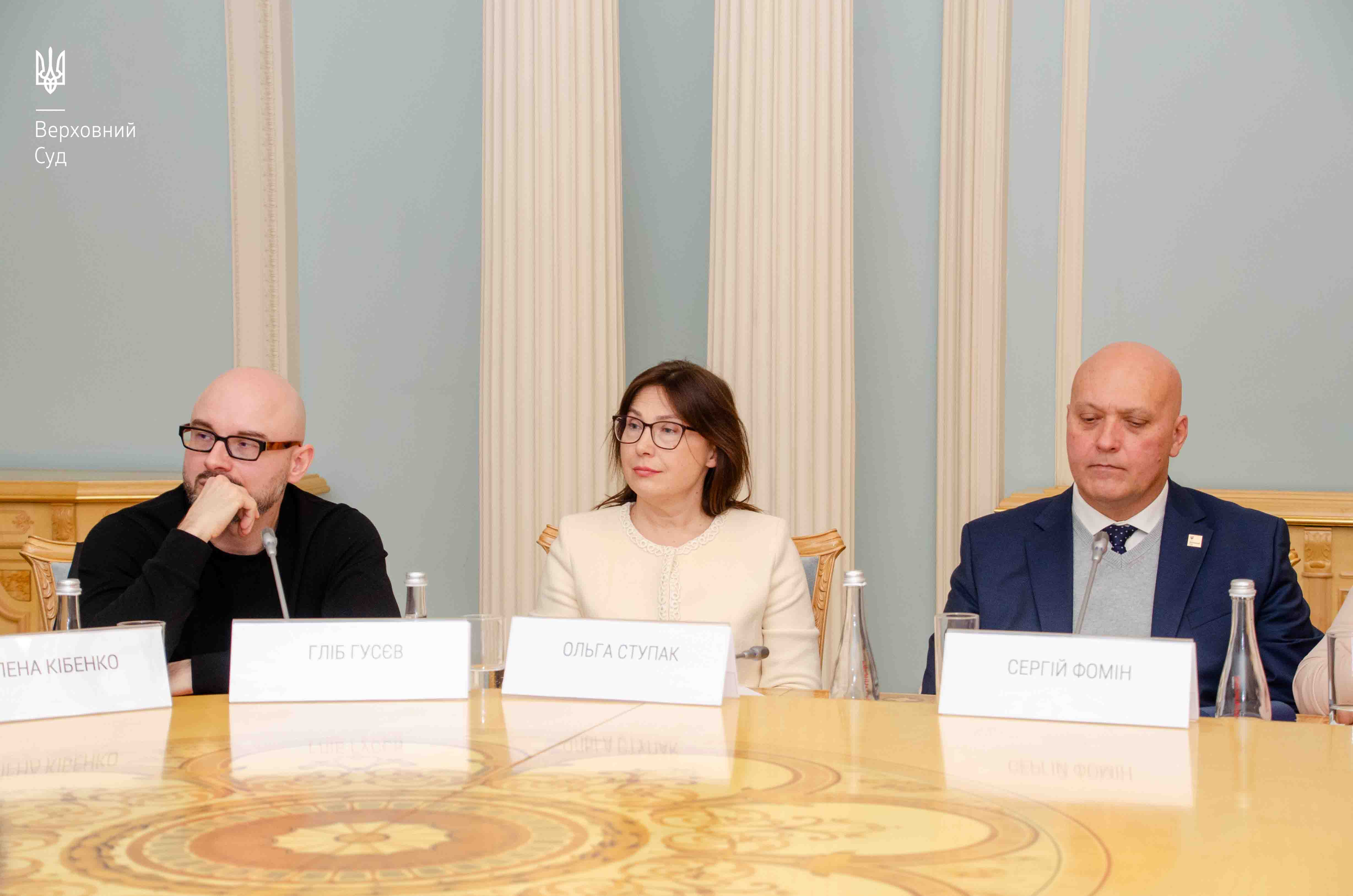
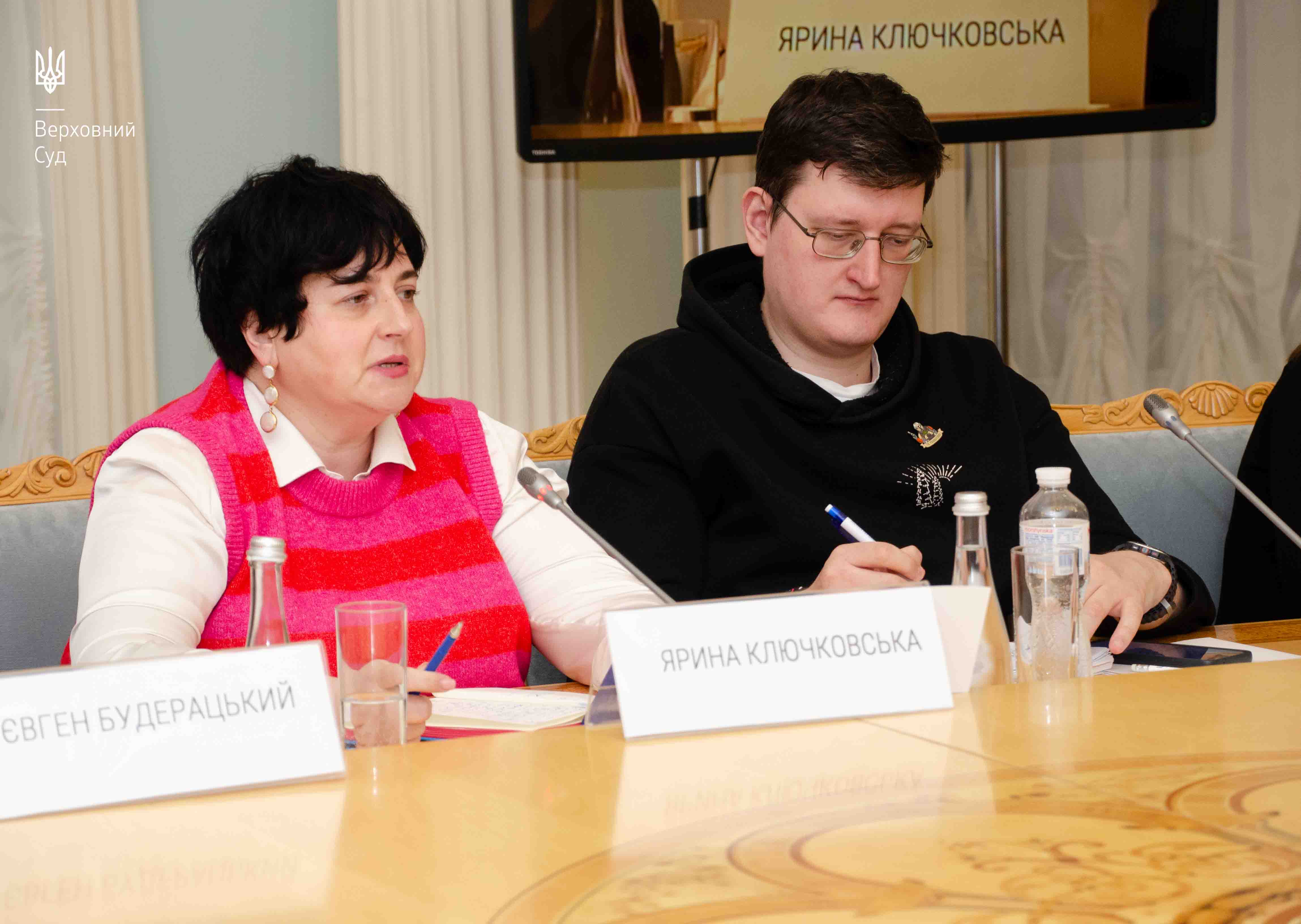
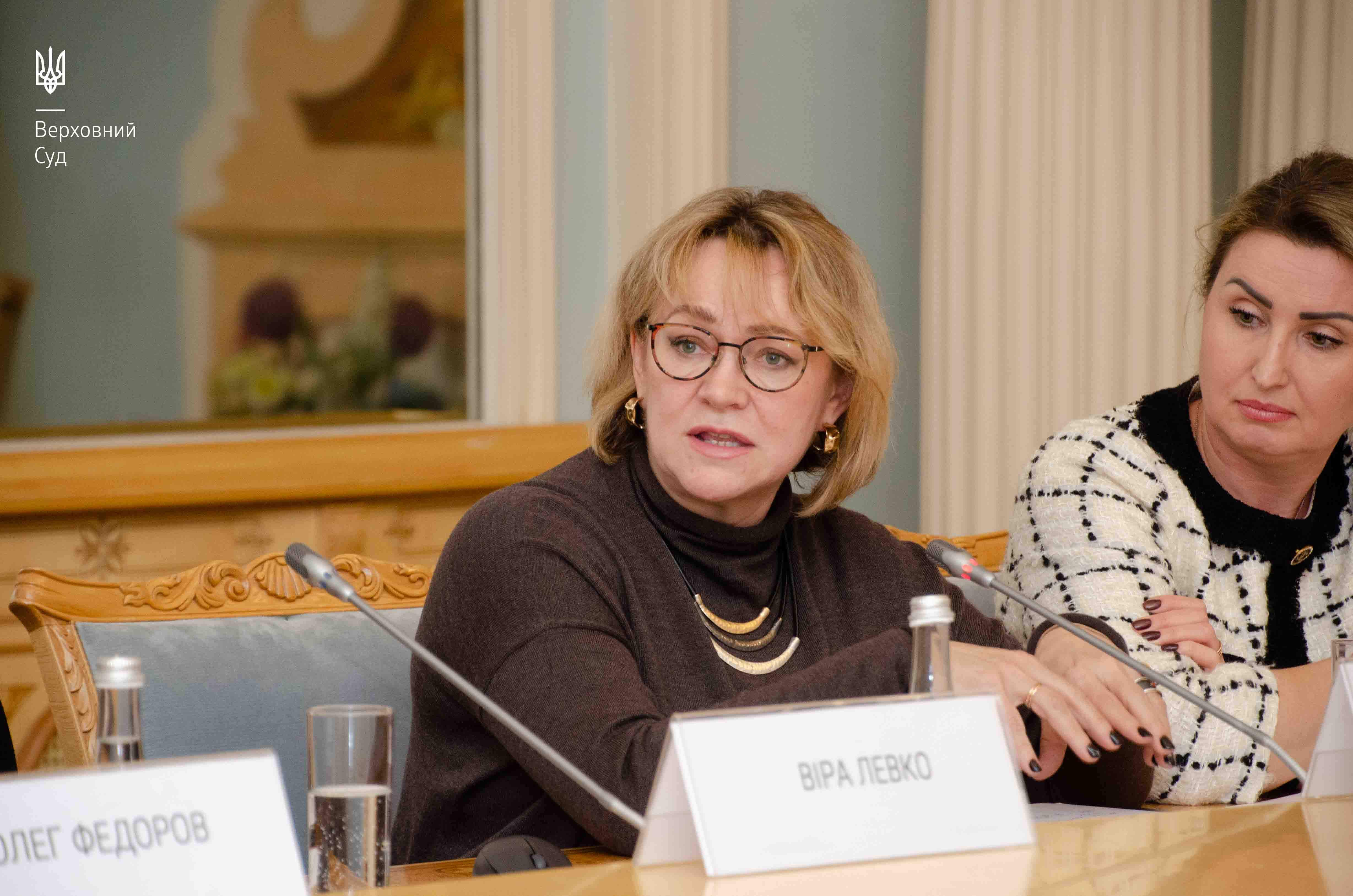
During the general discussion, judges, representatives of judicial governance bodies, media professionals, and communication experts shared their views on developing foundational principles for communication in the judiciary; finding appropriate formats for interaction between courts and the media; the need to fill the information vacuum; the influence of anonymous Telegram channels on public opinion and the advisability of regulating their functioning; mechanisms for responding to disinformation; the role of professional communicators in building open dialogue; the mission of the media in defending freedom of speech.
_03_03.png)